

On the evening of March 26th 2026, a curious crowd of cinema lovers and supportive friends shuffled into the immersive world of ‘Dreams and Nightmares’ that our NTU student film collective, Cine-Somnia, had tailored specially for the wonder and terror that would commence shortly at Bonington Gallery.
To achieve this successful night, many factors were carefully planned and taken care of. Time was taken to find relevant films to premiere which fitted our programme perfectly, relevant directors were contacted and this then led to a completed film programme that was shown on the night. Marketing was another huge factor that took lots of planning and promotion beforehand. Guests were encouraged to attend through social media and calling cards.
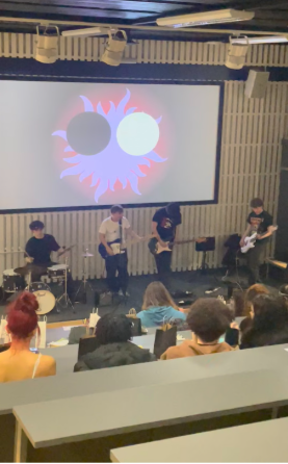
Not only this, but appropriate steps were taken on the night to transform guests through a whimsical tunnel into a world filled with bold nostalgic posters, draping fabrics, and decor that really exuded a ‘bedroom core’ aesthetic; complemented by the live band ‘VILLAS, (containing some members of the Film Programming module), who played a combination of original and cover songs fantastically. Dreams began to mould reality, as those active on Tumblr during the 2010s would understand the concept that having a live band in your bedroom is nothing to be understated.
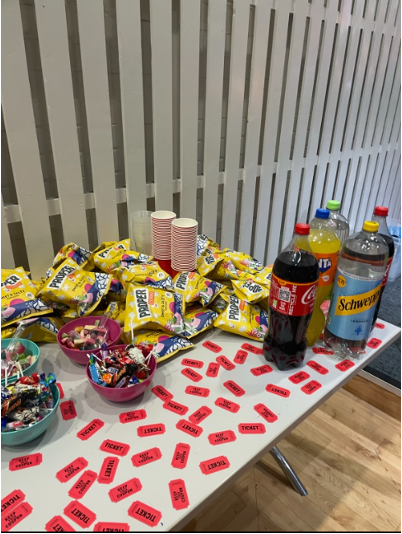
A mix of dream and nightmare goody bags were neatly laid out for guests to choose from as they entered. Guests were able to decorate their own sleep mask from their goody bag, as well as their own worry doll to protect them from the nightmares to come. Hot chocolate sachets or teabags were in each bag as well as dream or nightmare themed stickers too, for guests to take home with them at the end of the night.
Once the seats were filled with anticipation, accompanied by themed refreshments; our two fabulous hosts took to the stage, each dressed as the embodiment of a dream and nightmare. Hannah shimmered and sparkled in shades of pink from her fiery hair to her sequined flares, shielded with a soft throw blanket. Mora embodied the beauty of a clear night sky dressed in the deepest shades of black, highlighted with pops of red and majestically sharp iridescent claws.
Altogether, twelve short films were screened in two separate intervals. The first half dived into a starry night with films about the sky and stars, to nostalgic films leaving people to reminisce! After the interval we took our audience on a journey to more eerie films, from a funny nightmare of a loud eater to frightful films leaving guests’ hearts racing.
The once light-hearted decorations were transformed during the interval into more sinister ones to accompany the nightmares the audience were then ‘welcomed’ into, thanks to ‘VILLAS, changing the vibe with some darker songs being played. Flowers were engulfed in spiders and cobwebs; posters were vandalised and the thoughtfully placed lights dotted around the room were switched to red, rather than the relaxing purple tone they once were.
Once the interlude ended and our brave audience survived the terrifying live-action scares and handmade horrors, it was time for our hosts to wish everyone sweet dreams and nightmares. The team of Cine-Somnia film collective were beckoned to the stage as they took a well-deserved bow, thanking all for supporting our successful student event that was led with fierce passion.
Follow Cine-Somnia on Instagram
Introduction
Karpowership is a Turkish company that designs, builds, and operates a global fleet of “Powerships” floating power plants that can be deployed to generate electricity for countries in need.
The company’s stated mission is to reduce energy poverty and support countries in their energy transition by providing a fast, reliable, and sustainable power source.
The Karadeniz Powership Doğan Bey is the first of its kind: a Powership equipped with dual-fuel diesel engines capable of operating both natural gas and heavy fuel oil.
Doğan Bey was first deployed in Basra, Iraq, where it operated for five years under a contract with Iraq’s
Department of Energy. After leaving Iraq, the vessel was redeployed to another region under a new contract. In late 2017, it began supplying power to Freetown, Sierra Leone. Karpowership has since suspended 50 MW of power supply from Doğan Bey off the coast of Freetown following longstanding non-payment issues.
layt de kam—which translates to “light is coming” in Krio—was a phrase Ibiye Camp often heard during power outages in Freetown, Sierra Leone. These outages frequently create communal moments of silence in a city otherwise vibrant and loud with the constant beat of sound systems.
layt de kam reflects the communal presence of the ship; it has become a figure in the West African landscape. Karpowership currently operates in Ghana, Senegal, Guinea, Gambia, Sierra Leone, and Guinea-Bissau. Several other countries in the region, including Nigeria, Gabon, and Cameroon, have been in talks or are potential clients.
Gökçe Günel is an anthropologist at Rice University, where she investigates how infrastructure transforms amid energy and climate change-related challenges. Her book, Floating Power: Energy, Infrastructure, and South-Relations, examines energy futures through the lens of Karpower’s Ayşegül Sultan.
Ibiye met with Gökçe in October 2025 for a conversation, offering two complementary perspectives on floating power plants.
“I was eager to learn more about the geopolitical arrangements and histories of these ships, which have captured my attention in an almost obsessive manner.” Ibiye Camp
Conversation
Ibiye Camp: When we first met, you mentioned ideas around monumentalism, and I’ve been thinking about this in a sense with the floating infrastructures. I was wondering how these powerships have reshaped local voices or international relations. In your work, there’s often an acknowledgment of tension. How do you show long-term instability within these infrastructures? Could this instability be described as a kind of infrastructural imperialism? And what have been the actual impacts on local communities and ecologies?
Gökçe Günel: The temporal horizons of these ships are quite fascinating. They arrive already anticipating their own obsolescence. When contracts are signed, there’s an emphasis that the ship is not a permanent solution; governments leasing them are encouraged to find long-term alternatives while the ship provides electricity.
In my book (Floating Power: Energy, Infrastructure, and South-South Relations), I describe how these ships are framed as liminal devices. They’re imagined as bridges between fossil fuel dependency and a renewable energy future, a linear progression towards “modernity.” But I also see them as what I call technologies of deferral. They extend the lifespan of fossil fuels by pushing the end of the fossil fuel era further into the future.
There’s also another temporal dimension: although the ships are supposed to be temporary, their presence often becomes permanent through long-term contracts. The “provisional” becomes embedded, absorbing national resources that could have gone toward alternative energy infrastructures.
One of the most striking aspects of my research has been observing the impacts of ‘take-or-pay’ contracts. In Ghana, for example, these agreements mean that the government pays for the ship’s full output, even if it doesn’t use all the electricity. So, even during low-demand periods, payments continue.
These contracts can last up to twenty years, creating economic burdens that make it difficult for governments to invest in sustainable alternatives. I should add that these contracts are by no means unique to Ghana or to Karpower: they are common across the Global South, especially in extractive industries and infrastructure projects. Once a take-or-pay contract is in place, the seller receives guaranteed revenue, while the buyer secures access to supply and can rely on future price stability. And it is well-known that contracts can lock countries or utilities into over-supply or unfavourable prices, but for many of the governments that accept these deals, there is little room for negotiation. So while the ships appear mobile and temporary, contractually they’re locked in, their formal flexibility undermined by economic permanence.
“So while the ships appear mobile and temporary, contractually they’re locked in, their formal flexibility undermined by economic permanence.” Gökçe Günel
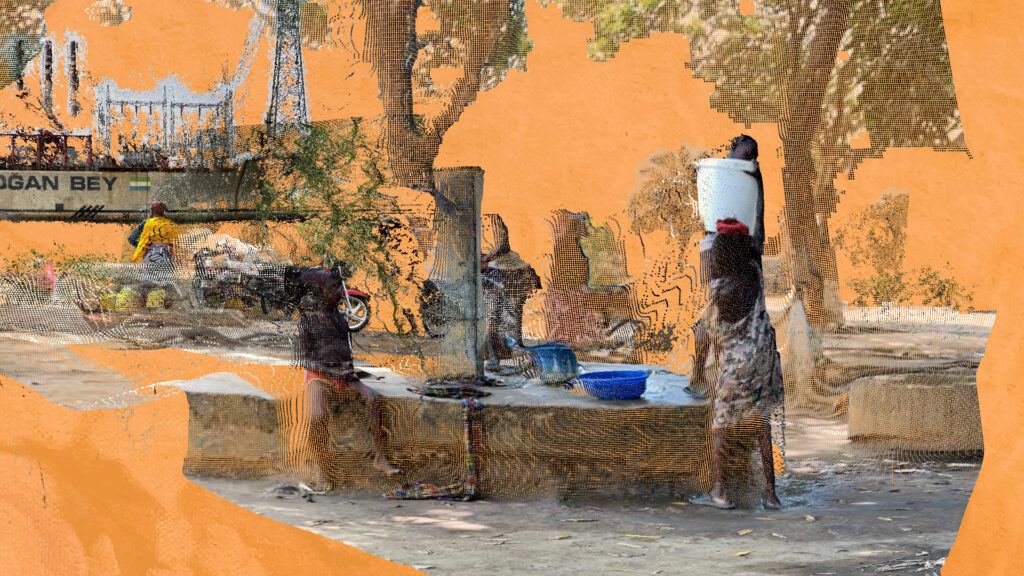
IC: In some of your writing, you reference forms of imperialism taking shape in West Africa. I’m also interested in the symbolism of the ship itself, as a visual and historical form. On the West African coast, especially, the ship seems to carry a heavy legacy.
GG: Absolutely. The ship is a powerful symbol, especially along the West African coast. Historically, ships were tied to colonial extraction and the transatlantic slave trade, transporting raw materials and enslaved peoples.
In describing the relationship between Turkey and African countries, one historian used the phrase “imperialism by anti-imperialists,” mainly because Turkish government representatives often use critiques of imperialism as a way to form relations with countries such as Ghana. But obviously, Turkey is not the only foreign government supplying services to Ghana. For instance, when I conducted fieldwork in Tema, Ghana, the floating power plant was anchored near Chinese fishing vessels that were extracting fish from the same waters. Various Chinese companies have also built solar power stations in Ghana, as well as dams and even floating solar installations. In one case, a solar plant was followed by a sugarcane plantation, powered by the same electricity, with promises of domestic sugar production.
So you have solar plants, symbols of the renewable future, existing alongside sugar plantations, symbols of colonial labor. These contradictory timelines of “progress” and “past” coexist, shaping one another. It challenges the linear narratives of development that many people rely on and reproduce.
IC: That’s a really important point. For me as an artist, the ship becomes a way of unraveling these overlapping structures of control, extraction, and power that coastal countries have historically faced. The ship isn’t just about energy; it’s about what its presence reveals in the landscape.
GG: Exactly. The ship is part of a wider ecosystem, material, political, and symbolic.
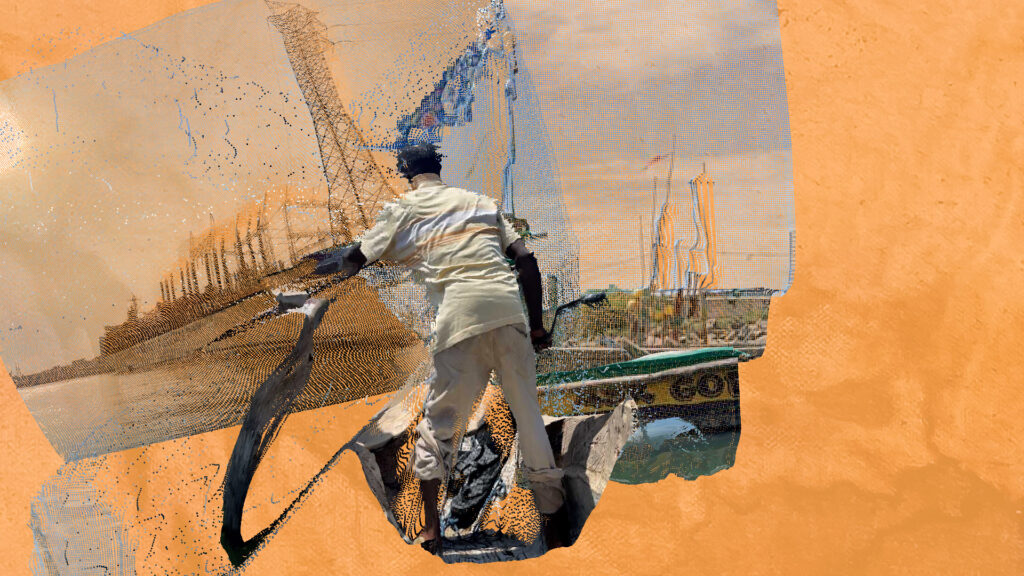
IC: When my collaborator, Rihanna Dhaliwal, and I went to Tema, we searched for the ship. People kept saying, “It’s just around the corner,” but we later learned it had already moved; it had left in 2019. It felt almost hidden, removed from the landscape, which contrasted with my experience in Freetown, where the ship is a visible part of the city’s horizon. This made me think about visibility. Initially, the powerships were heavily publicised, almost celebrated, but has that changed over time? Has Karpowership become more secretive?
GG: I assume it’s different in each context. In 2015, as soon as Ayşegül Sultan left the Turkish coast, the Ghanaian media started tracking its progress. They were anticipating its arrival in Tema. Some commentators issued warning calls, asking politicians to review Karpower’s history in Lebanon and Pakistan. They wanted to understand the possible financial impact of the ship on the country’s economy. But representatives of Karpower believed they could be kingmakers and that they could facilitate the incumbent President John Mahama’s reelection. In 2016, the Karpower ship appeared in Mahama’s election campaign posters, even though it eventually did not help him gain victory. Even after Mahama’s presidency, the updated agreement Karpower signed with the Electricity Company of Ghana in 2017 indicated that the ship would supply 470 megawatts of electricity to the Ghanaian grid for a whole decade. The ship’s formal ability to sail away became secondary to contractual obligations. In 2023, when I asked an executive at the Energy Commission in Accra what he thought of the Karpower ship, he answered, “It is the story of how the provisional becomes permanent.”
IC: In Freetown, the powership almost became like a character. People would talk about it as if it were a person, wondering whether it would go or stay. Someone once called it the ‘powerhouse’, and I even heard it described as a ‘powerbody’. That language really fascinated me, the way the ship became this visitor, or even a kind of being. When I was looking through your research, I noticed you mentioned Karpowership’s slogan, “The Power of Friendship.” When I looked back at my own photographs from Freetown, I realised that some of the small boats taking workers between the ship and the shore had that slogan painted on them.
“In Freetown, the powership almost became like a character. People would talk about it as if it were a person, wondering whether it would go or stay.” Ibiye Camp
At first, I thought it was just decoration, like how local canoes often say “In God We Trust” or carry football team names. But then I started thinking about how that kind of language, ‘The Power of Friendship’, ‘the powerhouse’, ‘the power body’, forms its own vocabulary around the ship.
You mentioned ‘Dumsor’ (power outages in Ghana, derived from the Twi words “dum” (off) and “sor” (on) in your writing, and I was wondering whether you’ve come across other kinds of language that have emerged from the presence of these visible infrastructures. How do ships like these begin to affect everyday language or slang in the places they appear?
GG: That’s such an interesting question. One thing that struck me was the naming of the ships themselves. The first ship I visited in Tema was called Ayşegül Sultan. Later, it was replaced by another ship called Osman Khan. Many of these ships are named after members of the family that owns the Karpowership company; it’s a family business, and naming ships after relatives is a way of honoring them. Sometimes, employees who have been particularly dedicated are also rewarded by having a ship named after them. One ship engineer I interviewed was very proud that, even though he wasn’t part of the family, a ship carried his name. So within the company, it constitutes a reward structure, a way of extending someone’s presence globally through these vessels. At the same time, these names evoke an imperial sensibility. In contemporary Turkey, people don’t usually refer to one another as Sultan or Khan, so the names recall the Ottoman Empire, when state representatives were deployed to govern different regions. In that sense, each ship becomes a representative to a vassal state, a small node of empire asserting its presence in another land.
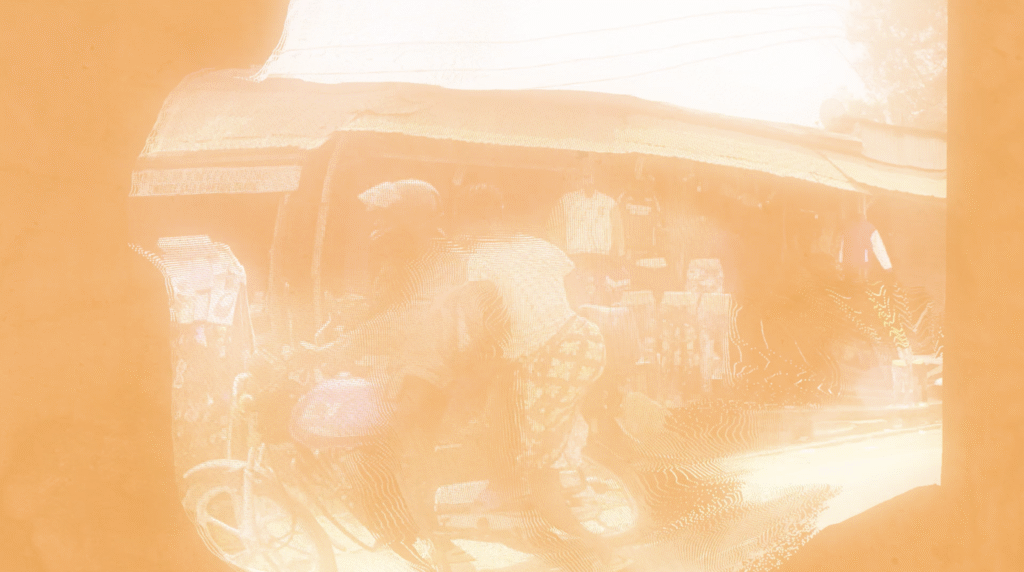
IC: I remember from our previous conversation that you mentioned how sometimes governments compare themselves: “You have a ship, so I want a ship too.” It becomes a kind of status marker, almost like having the latest iPhone, a symbol of being technologically current.
GG: Exactly, it’s a kind of geopolitical trend-following. The ship becomes both a tool and a statement of modernity. I was really interested in hearing what you think the ships represent. You began by describing them in terms of monumentality. What do you think they are monuments to?
IC: The ships, to me, symbolize a kind of loophole. I understand that at sea, you can use the national flag to fly, allowing you to bypass certain laws. So I think of the ship in Freetown, about 500 meters from the shore, as existing in a sort of in-between space. It feels like it runs on its own offshore agreement or contract, and that sense of uncertainty becomes symbolic for me.
I also connect this idea of the loophole to something futuristic, an Afrofuturist imagination. The ships remind me of narratives in science fiction, existing outside of ordinary governance or space. They’re on another plane of control, beyond the land.
GG: I really like that, the idea of the offshore as a space where extractive work can happen. The ships in Ghana, for example, carry Liberian flags of convenience, which is quite common across the shipping industry. It’s not about nationality but about avoiding taxes and easing registration. Even so, they’re not in international waters; they’re still governed by Ghanaian or Sierra Leonean laws where they operate.
But I do see what you mean, the ships have a kind of Afrofuturist sensibility. Many people have told me they look like Mad Max, salvaged parts fueling the future. They’re not shiny or new, but practical, reusing old ships with new engines to serve places with unmet demands.
“…the ships have a kind of Afrofuturist sensibility. Many people have told me they look like Mad Max, salvaged parts fueling the future. They’re not shiny or new, but practical, reusing old ships with new engines to serve places with unmet demands.” Gökçe Günel
IC: Yes, the secondhand aspect fascinates me too. When I was in Takoradi, I noticed many naval ships were from the Second World War, Japanese ships, with the writing still visible. There’s something about these secondhand vessels, these remnants from elsewhere, being repurposed in Africa that really stays with me.

GG: That’s interesting because the ship operators, like Karpowership, are aware of that perception. They emphasize that, while the ships themselves may be old, their engines are brand new, mostly from Germany or Finland. Many of their ships were actually bought after the 2008 financial crisis, when ship prices collapsed. I’m also curious about how you learned about these ships from the communities around them. My own research focused more on energy experts, people connecting the ships to the grid, so I’d love to hear about your conversations with everyday people.
IC: Most of my conversations were in Freetown. I don’t remember much about when the ship first arrived, but people talked a lot when the power output was reduced by around 60%, I think, because of unpaid bills. Where we live, power outages are quite memorable moments. The city is so loud, music, sound systems, so when the electricity goes out, there’s this rare quiet. I remember sitting on the balcony and hearing someone say, “Layt de Kam!” That phrase, “light is coming”, really stayed with me. It carried a kind of optimism that contrasted with the uncertainty surrounding the ship. In Koo Bay, one of the closest communities to the ship, I photographed a few men sitting and watching it from the shore. Even though it’s there every day, it remains mysterious. People call it the powerhouse and speak of it through hearsay, stories about it shutting down or leaving. Over time, those stories have become more anxious, especially as electricity access has become less reliable. Some areas in Freetown have been without power for weeks now.
“The city is so loud, music, sound systems, so when the electricity goes out, there’s this rare quiet. I remember sitting on the balcony and hearing someone say, “Layt de Kam!” That phrase, “light is coming”, really stayed with me.” Ibiye Camp
GG: I also wanted to ask about the medium you use to represent these ideas. I live in Houston, walking distance from the Dan Flavin Installation at Richmond Hall, which always makes me think about post–World War II art and its relationship to electrical abundance. In your case, you’re dealing with electricity as a scarcity. You’re not using electricity as the medium itself but rather employing vernacular methods to represent it. Could you speak about that choice?
IC: That’s interesting, because in some ways I am using electricity to laser cut the fabric. There’s a tension in the work between traditional and technological processes. I dye the fabric using kola nuts, a traditional West African method, but then I laser cut the dyed material, which involves concentrated light and power. I see myself as someone who works with technology, but I’m also cautious of it. I’m drawn to both traditional craft and new tools, scanning, LiDAR, while questioning how we live alongside machines. This project, for me, bridges those tensions.
There’s also an influence from artists like Martin Creed, his ‘Work No. 227: The lights going on and off’ always resonated with me. My mother used to joke, “In Nigeria, that’s just a power cut!” But I find that piece profound in its simplicity; it captures the rhythm of contemporary life, especially in places like Sierra Leone, where power cuts punctuate our days. In my Kalabari tradition, fabric holds stories; it’s a medium for communication. By combining that with scanning and cutting technologies, I’m exploring how to merge West African textile practices with architectural and digital tools in a way that empowers both.
GG: That’s fascinating. Your work sits within a larger history of art’s relationship to electricity, sometimes representing it, sometimes using it as a medium. Even when it’s not visible, it’s embedded in the process.
IC: Exactly. When I worked in Sierra Leone, I was scanning markets and had to render the 3D files at very low resolution because power was unpredictable. I never knew when electricity would be cut off. So the time and access I had directly shaped the outcome. That’s something I’ve come to appreciate: how power availability literally determines the form of the work. The low-resolution scans from Sierra Leone carry that constraint as a kind of signature, while the high-resolution works made in London reflect a completely different energy context.
GG: That’s a beautiful way to think about it, electricity as an invisible signature within the work, marking place, time, and access.
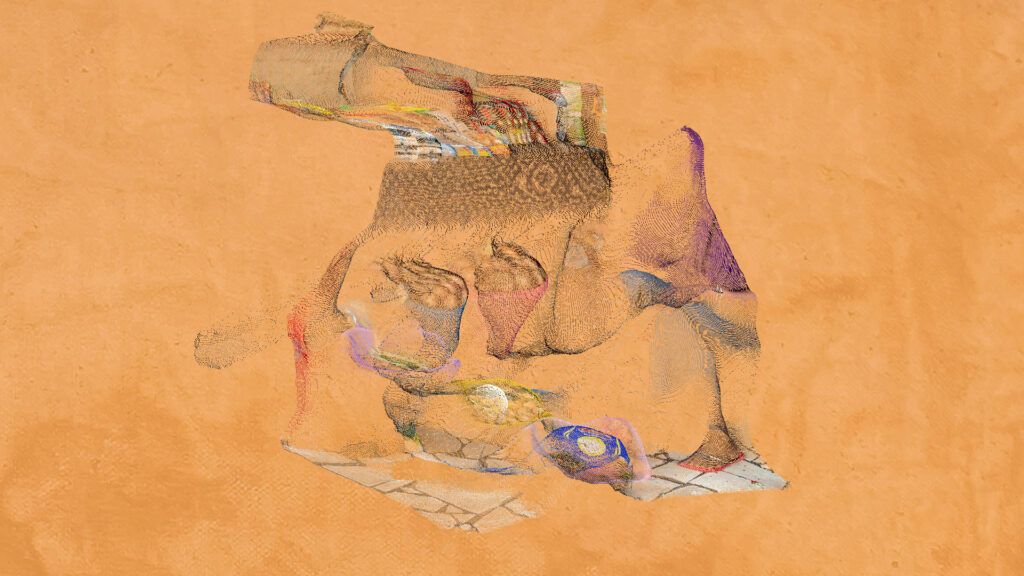
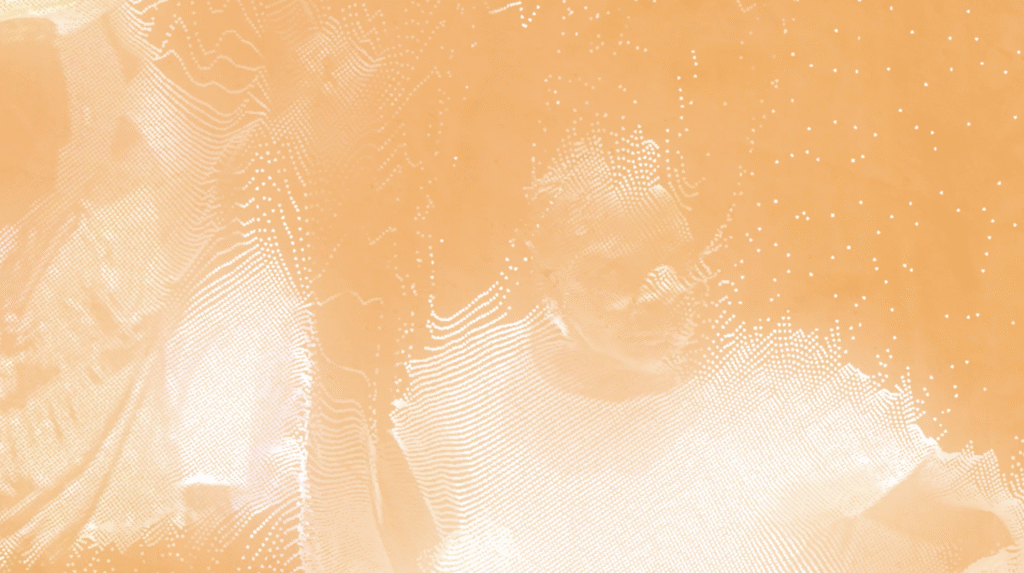
Images taken from Ibiye Camp’s new film GLOW (2025), presented within her solo exhibition layt de kam at Bonington Gallery, January 17th – March 7th, 2026.
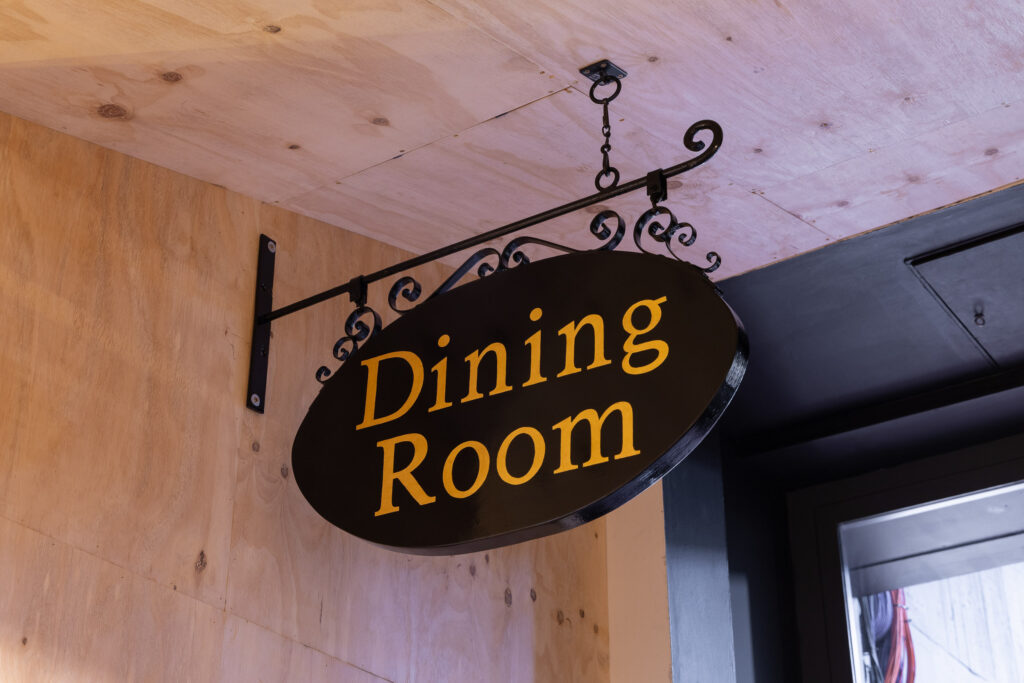
At the beginning of the exhibition ‘To Farse All Things’ visitors pass through a reconstruction of the entrance into the Dining Room, the vegetarian restaurant run by William English and Sandra Cross for a decade between 1980 and 1990. To celebrate the exhibition, we’ve asked some of the regular diners for their memories.
….
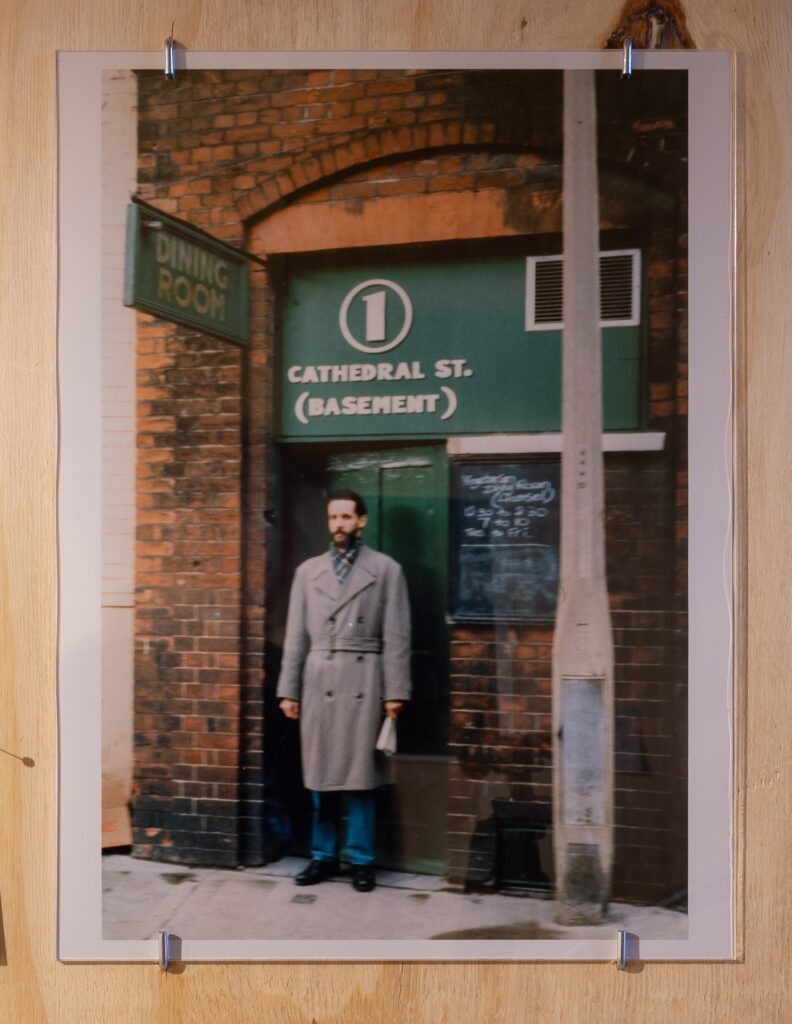
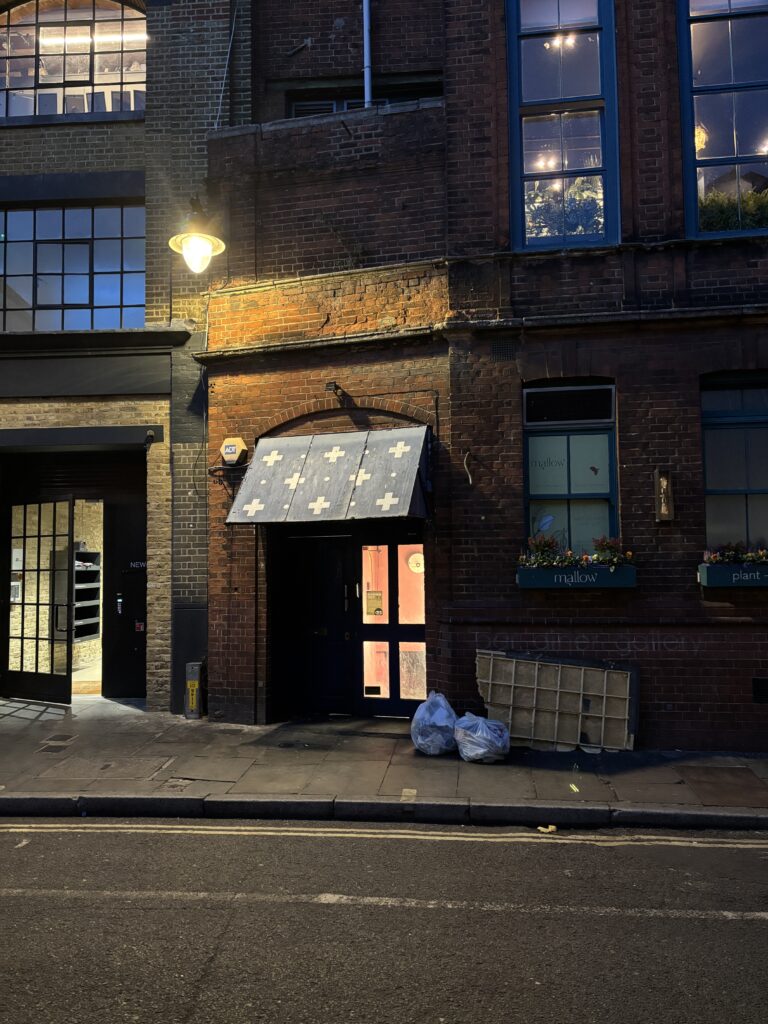
In 1980, William English asked Andrew Czezowski, owner of legendary punk club, The Roxy, who had recently taken over the lease of an empty warehouse in London’s Borough Market, if he had a space to let to him and Sandra Cross for a café. A basement at 1 Cathedral Street became the Dining Room: an innovative vegetarian restaurant and a place for artistic collaboration. Sandra devised the ever-changing menus and did all the cooking, while William greeted diners and oversaw the front of house.
The Dining Room opened with a discreet sign above the door on Winchester Walk, with the smell of freshly baked wholemeal bread wafting up the stairs and the daily menu chalked up outside.
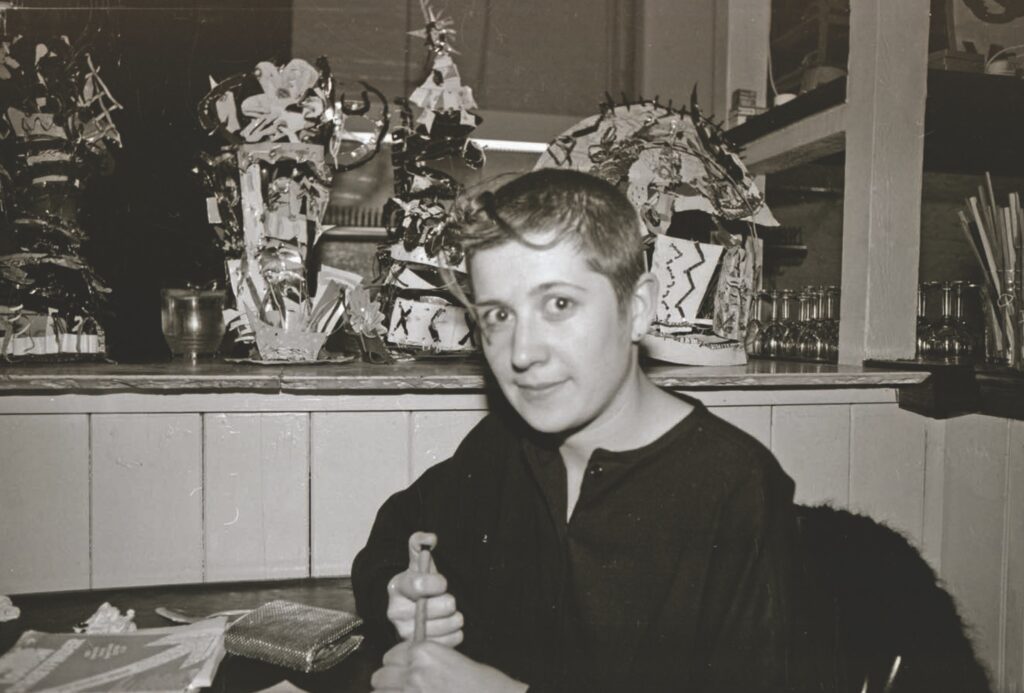
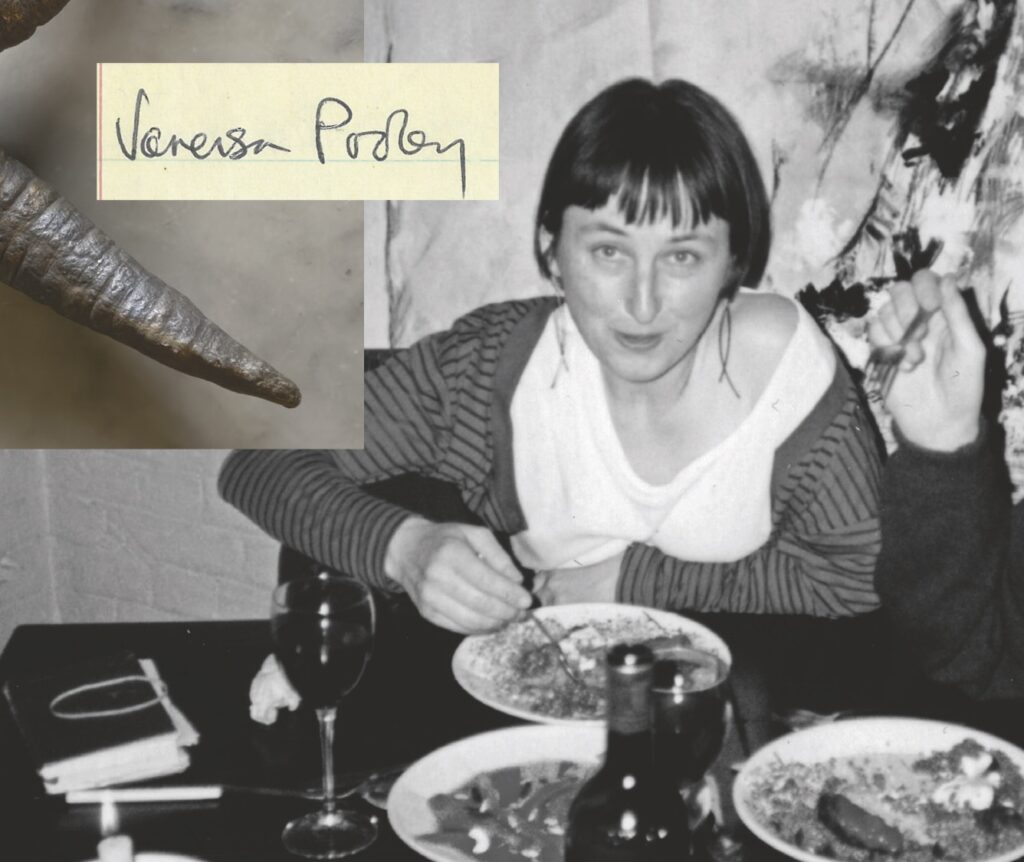
As sculptor, Vanessa Pooley, who worked there as a waitress, remembers, ‘To enter the place you had to go through a plain door with a simple sign saying the Dining Room on it. Straight along a little corridor and then down round narrow stairs to the basement. The door opened into a dark cave-like space with beautiful soft moon shaped lights hanging from the ceiling. It was very unpretentious and personal. The place had the atmosphere of a club with regular customers coming in… Everybody who connected with the place had a lot of personality and even when their personalities were out of the mainstream, they were embraced by Will and Sandra.”
“Everybody who connected with the place had a lot of personality and even when their personalities were out of the mainstream, they were embraced by Will and Sandra.”
Vanessa Pooley, Artist
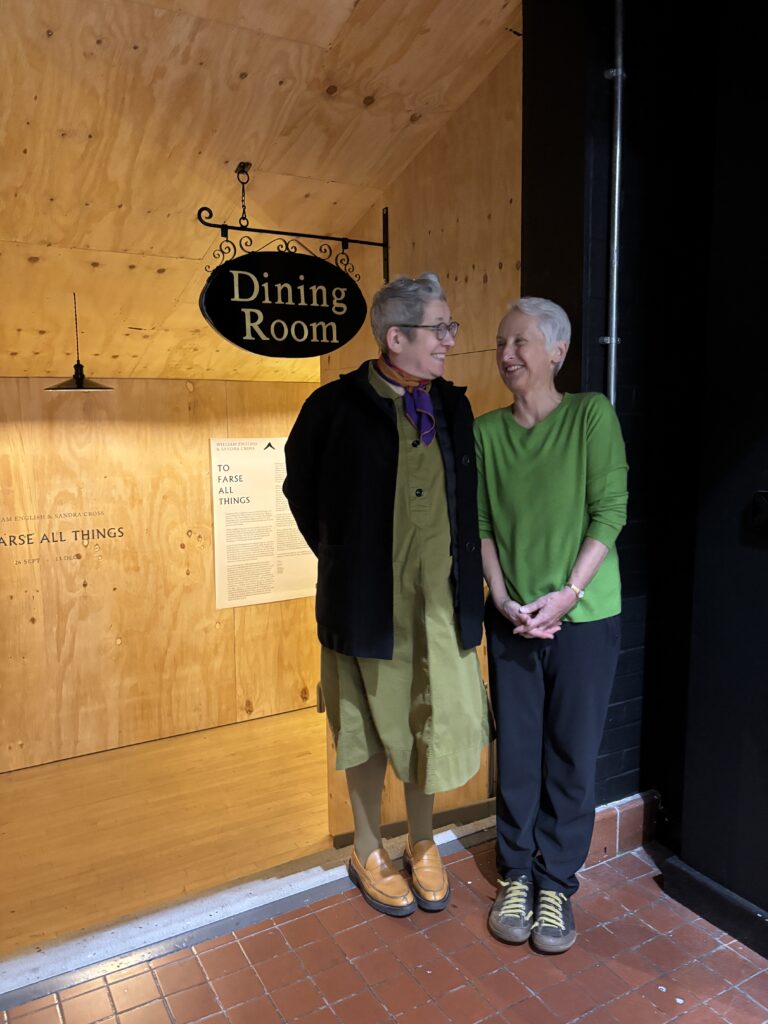
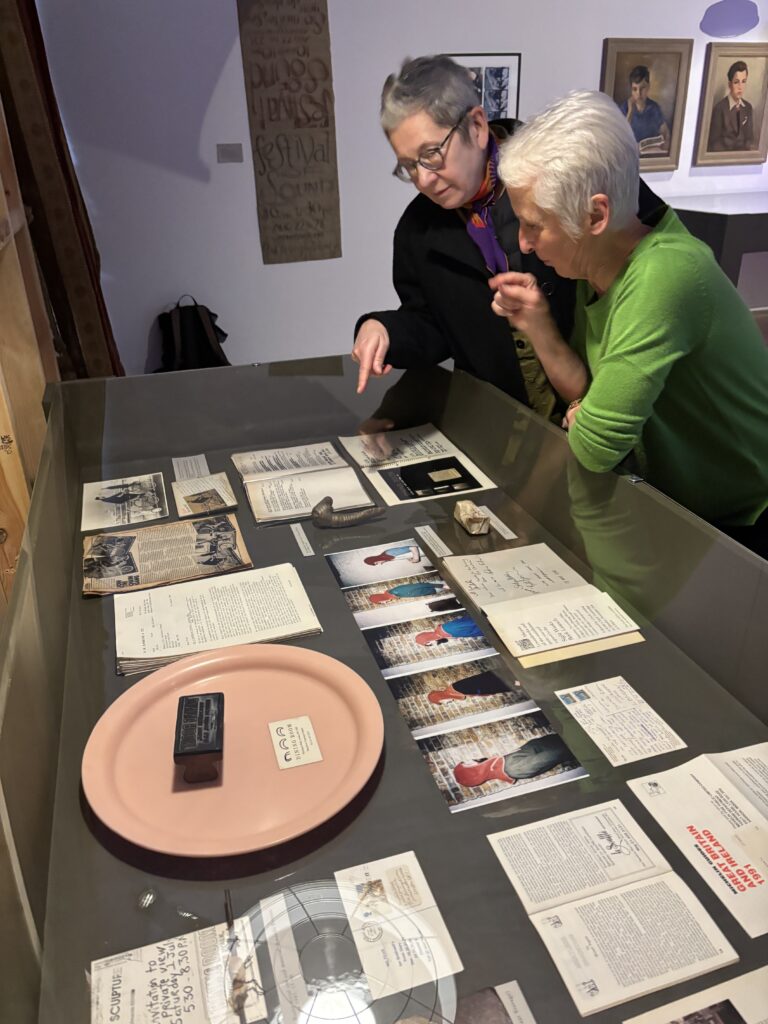
Lea Anderson, Teresa Barker and Gaynor Coward, co-founders of dance companies The Cholmondeleys and The Featherstonehaughs were regular visitors alongside their collaborators, including costume designer, Sandy Powell and composer, Drostan Madden. As Lea recalls Borough Market was an unusual place to start a restaurant “It was dark and deserted and Dickensian in the evenings in winter. Artist and musician David Aylward first took me to the Dining Room in 1984. I was living in Peckham at the time and had just formed The Cholmondeleys dance company with Teresa and Gaynor. I thought it was the best place to eat in London and the fact that it was in south east London was just perfect. Borough was not at all a place where people I knew went. I don’t think anyone went there except for the market.”
“I thought it was the best place to eat in London…”
Lea Anderson, choreographer and artistic director
Despite the location, the Dining Room quietly established a loyal following, and critical acclaim followed. In 1987, the Good Food Guide called their ‘menu imaginative and eclectic’. And in 1989 Felipe Figueira in What Restaurant? wrote ‘The Dining Room is reputedly the only vegetarian restaurant in London that can claim a Michelin star, but that’s something they prefer not to boast about.’ Vanessa Pooley adds, “I love, love, loved the food. Unsurpassable. I like to say that Sandra never cooked anything the same twice. That might be a slight exaggeration. Generally she just made something amazing and new every night”.
“The Dining Room is reputedly the only vegetarian restaurant in London that can claim a Michelin star, but that’s something they prefer not to boast about.”
Felipe Figueira – Good Food Guide, 1987
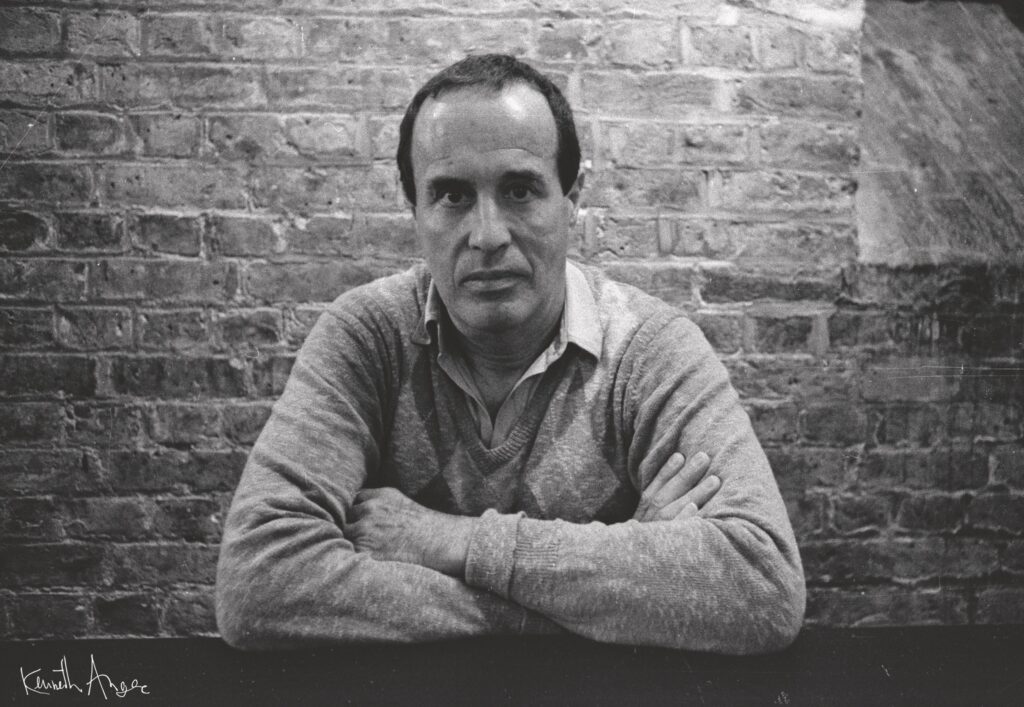
The restaurant welcomed a wide-ranging clientele, including experimental film maker Kenneth Anger, director and founder of the Globe Theatre, Sam Wanamaker, critic and writer Jon Savage, designer Vivienne Westwood, and pioneering lawyer Benedict Birnberg, who on occasion acted as their solicitor.
Artist Bill Burns, whom William hired as a plongeur recalls, “Many people came – it was like magic some Saturdays: Steph from Boy and Jack English and Katharine Hamnett and Vivienne Westwood and so many more. I was not long away from the farm in Saskatchewan, so this was exciting and terrifying and a sublime education. The celebrities were given the same treatment as the well-heeled solicitors, the bankrupt booksellers, Hugh de la Cruz one of the other brilliant wash-up persons who worked on a perpetual motion machine in his spare time and of course Maurice Seddon, a German aristocrat who had lost his fortune but not the sparkle. William and Sandra made the place shine – it was a beautiful thing.”
“Many people came – it was like magic some Saturdays: Steph from Boy and Jack English and Katharine Hamnett and Vivienne Westwood and so many more…”
Bill Burns, Artist

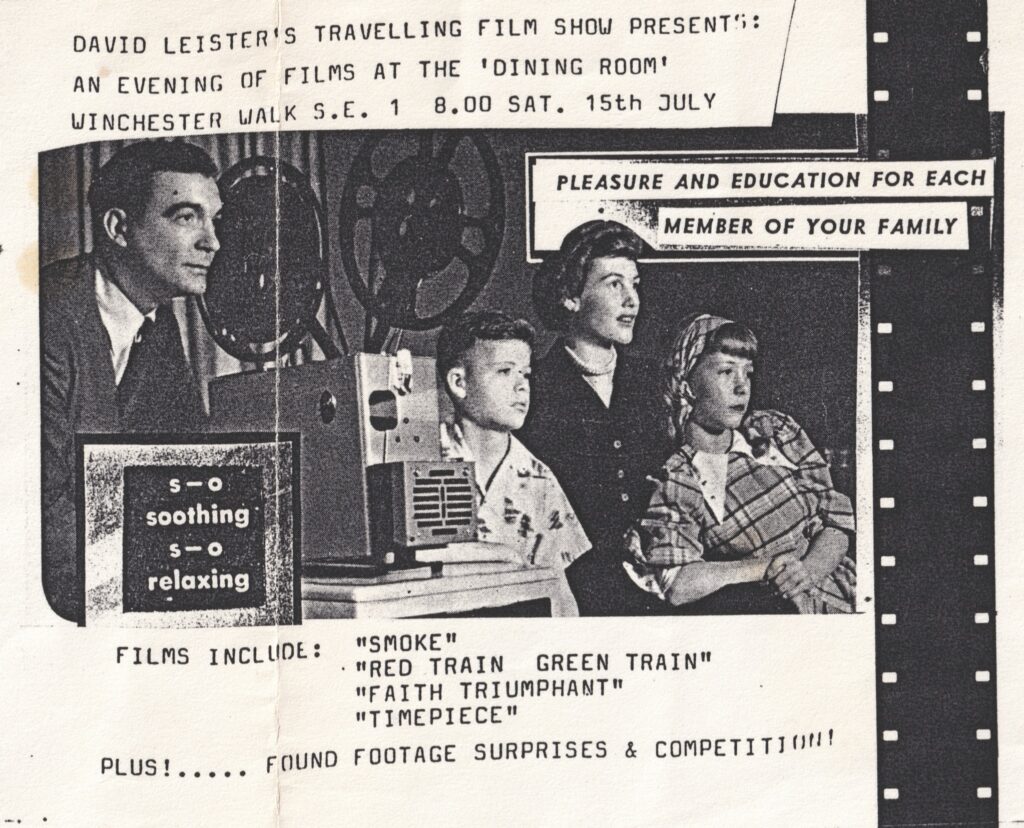
The restaurant was also, importantly a venue for artistic collaboration, hosting exhibitions, screenings, and gatherings. Film maker David Leister remembers “I actually started my film club Kino Club there but under the original heading of ‘Armchair Cinema’ which was me presenting my hand processed 16mm films with live accompaniment. I was fortunate enough to collaborate with such talented musicians and sound artists such as Aleks Kolkowski and John Wynne, both of whom produced finished soundtracks for many of my films. William and Sandra were again very supportive of me in these early days, and provided their delicious food in the intervals between my projections and ‘found’ footage presentations. Good times.”
“William and Sandra were again very supportive of me in these early days, and provided their delicious food in the intervals between my projections and ‘found’ footage presentations. Good times.”
David Leister, Film maker
The Dining Room closed in 1990 and remains overlooked in the histories of the redevelopment of Borough Market. The only mention being in an article published in 2000 from the journal Du Atlantis – quoting designer Ben Kelly, who commented: “There were no other artists or designers in the area, and apart from the local working class pubs and cafés, nowhere to eat or drink apart from one weird vegetarian restaurant in a basement just off the market”.
However, the Dining Room lives long in the memories of those who worked and dined there. As Lea Anderson sums up, ‘The Dining Room closed down at the right time as everything had changed around Borough. Times had changed. We were bereft.”
With many thanks to Lea Anderson, Bill Burns, David Leister, and Vanessa Pooley for their generous contributions.
—
Thanks to Sarah Ragsdale for coordinating and gathering the responses from the contributors and for writing this post.
We are pleased to share this opportunity to participate in Paradise Unseen, a project by visually impaired photographer and friend of Bonington Gallery, Karren Visser.
This creative project, supported by Immersive Arts, focuses on disability representation in AI-generated images.
Have you noticed how AI overlooks or misrepresents people with disabilities? AI systems learn from the data they’re given. That data often misses out on including different ages, abilities, genders, races, and body shapes. This leads to a narrow and skewed portrayal of who we all are. Karren wishes to explore building an AI model that is inclusive from the beginning.
How you can take part:
Learn more about the project: https://karrenvisser.com/paradise-unseen-exploratory-phase
Questions?: audiodescribedimages@gmail.com
Contemporary art spaces have always occupied this strange cultural paradox—simultaneously public yet exclusionary, open yet intimidating. There are those who move through galleries with effortlessness, people who know everyone and everything in the art world. Then there are those who enter, half-expecting to be met with some unspoken test of cultural literacy, ready to dismiss ‘modern art’. But the most telling group—the one that reveals the most about what galleries could be—are the ones in between: the students, young adults, people stealing time from their lunch breaks to go to the gallery across town, people who want to engage but aren’t quite sure how.
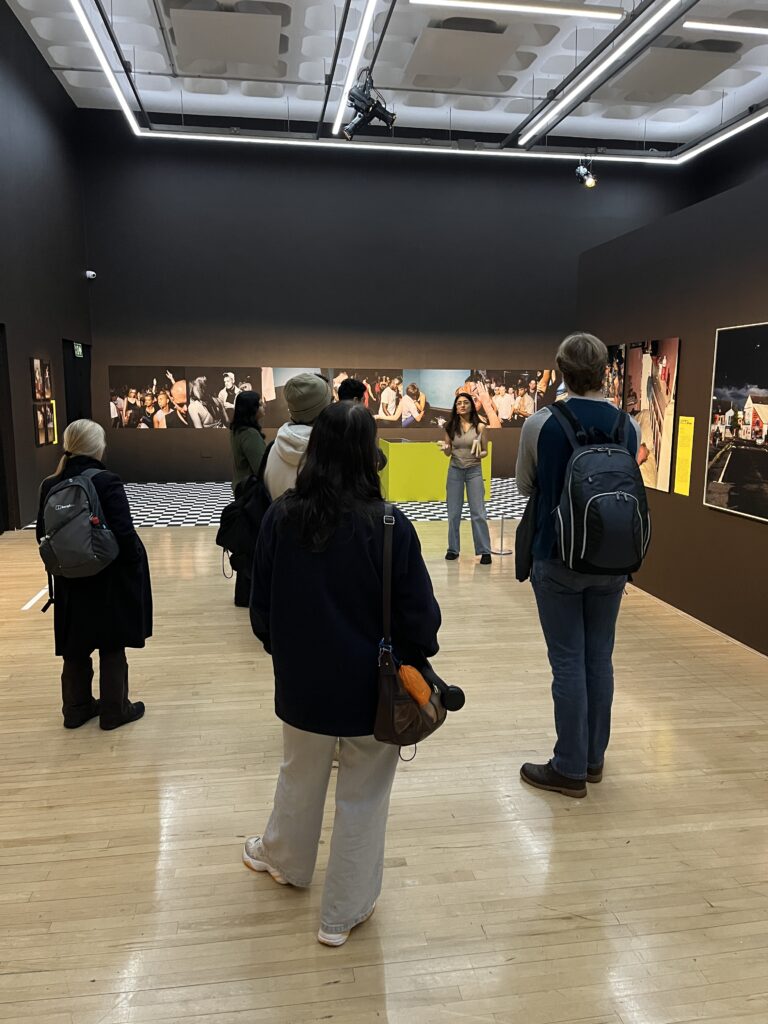
These initial thoughts eventually led to the ideation of Bonington Connects. Over the past few months, this student-led series has tried to renegotiate gallery spaces, by opening up art and research without watering it down. The first session looked at Bonington Gallery’s autumn 2024 exhibition After the End of History: British Working Class Photography 1989-2024 (curated by Johny Pitts) alongside writings by Susan Sontag and Roland Barthes— theorists that can often seem jargon heavy. But by situating ourselves among the photographs— theory instead of being an obstacle can start feeling like a tool to look at photography and access exhibitions. After the talk ended, the conversation continued into the atrium, where coffee and snacks helped turn what could have been a lecture into a more genuine exchange of ideas.
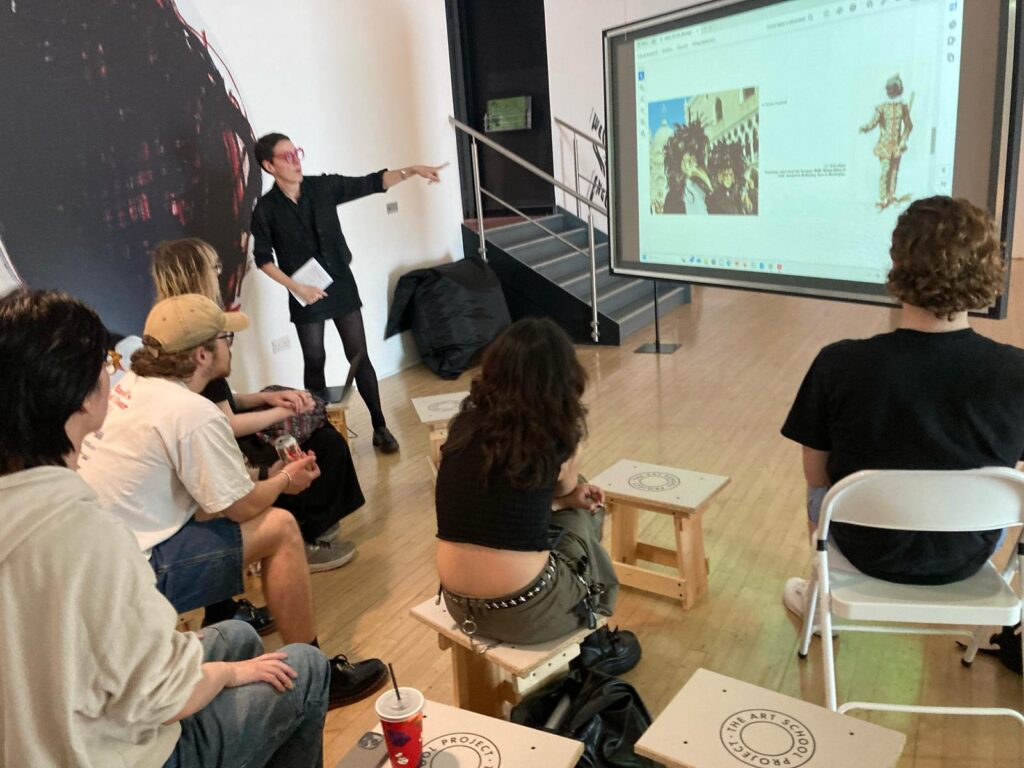
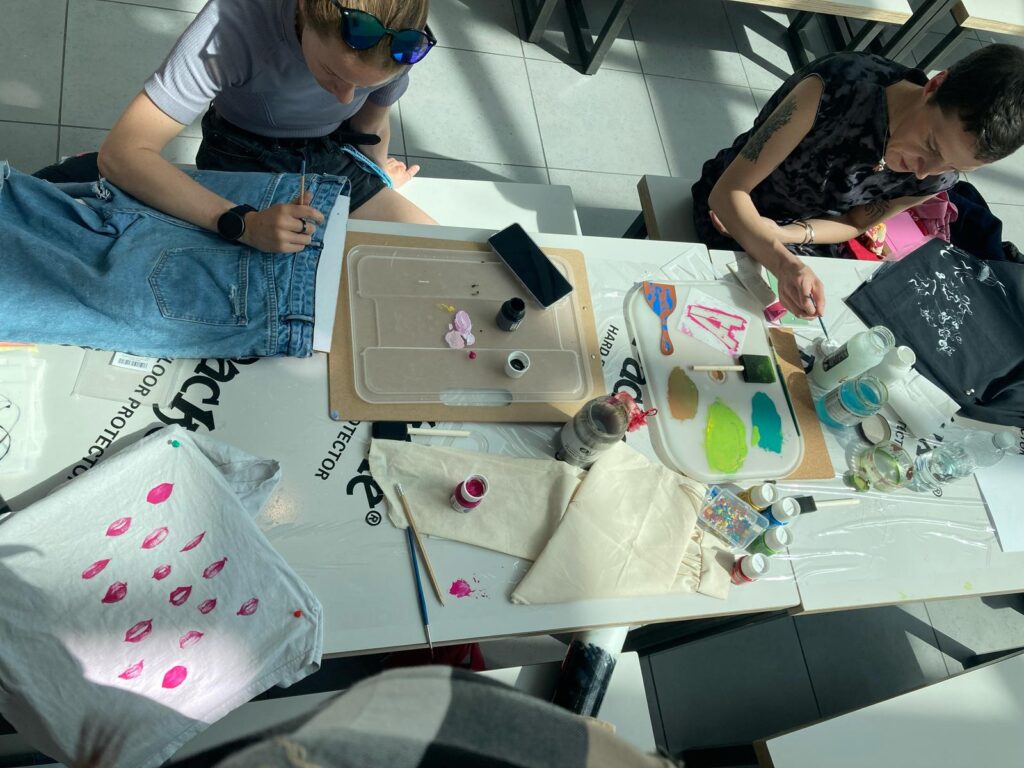
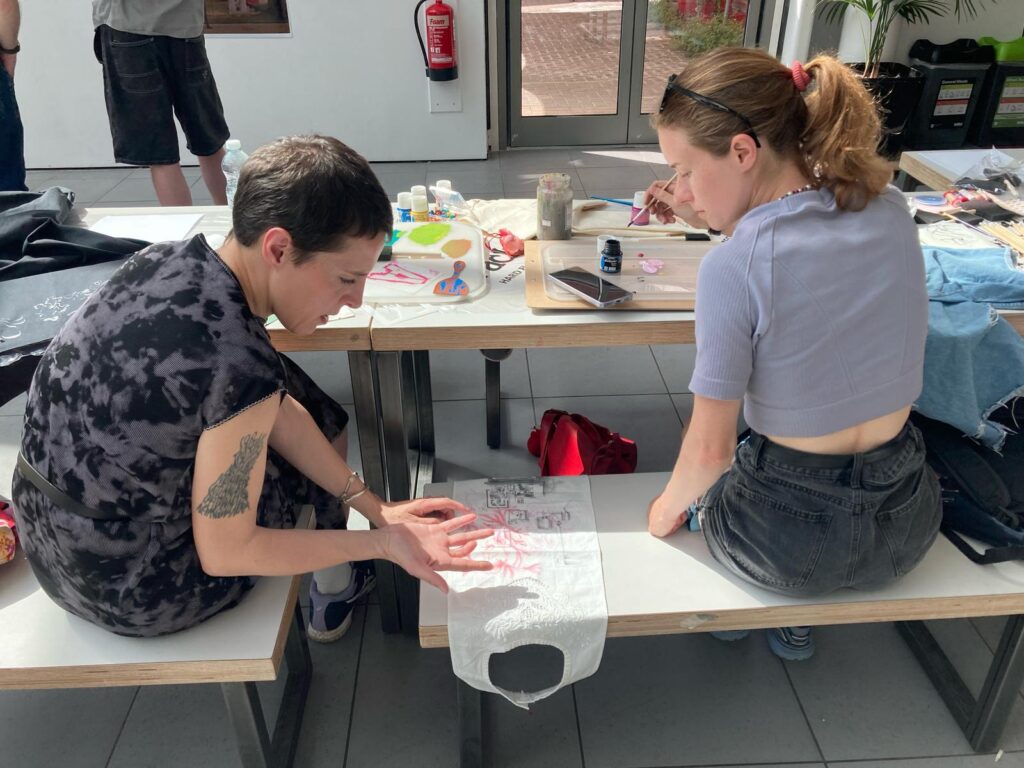
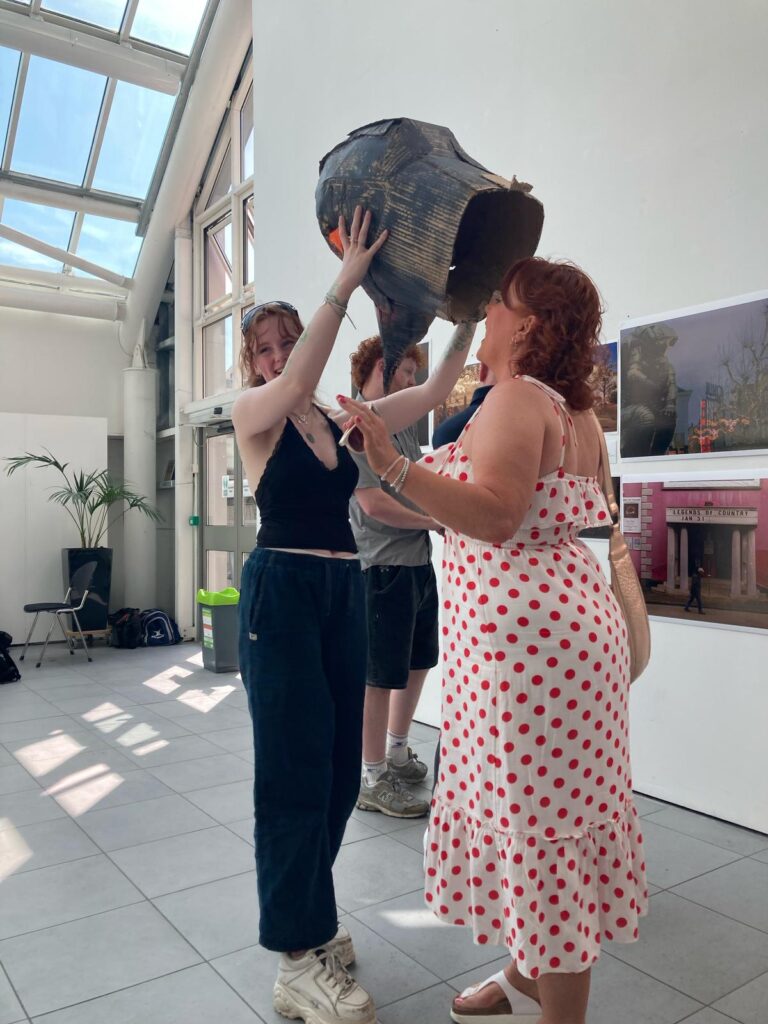
For the second workshop we had Arianna Tinulla Milesi’s two day lecture and workshop, which took the idea of participation further. As Arianna put it, her project “This room has no walls anymore, but just endless trees” became a literal reality during those two days—a space where art and fashion history, spontaneous interactions and collective drawing came together. Participants discussed subcultural fashion in connection with rituals, community, and the subversive powers of rebellion via identity. On day 2, these ideas were brought to life through transforming their own personal clothing items. It became an exciting intersection of theoretical discussion of ideas from the previous day and conscious collective making, personifying the ideas of building community via subcultural fashion.
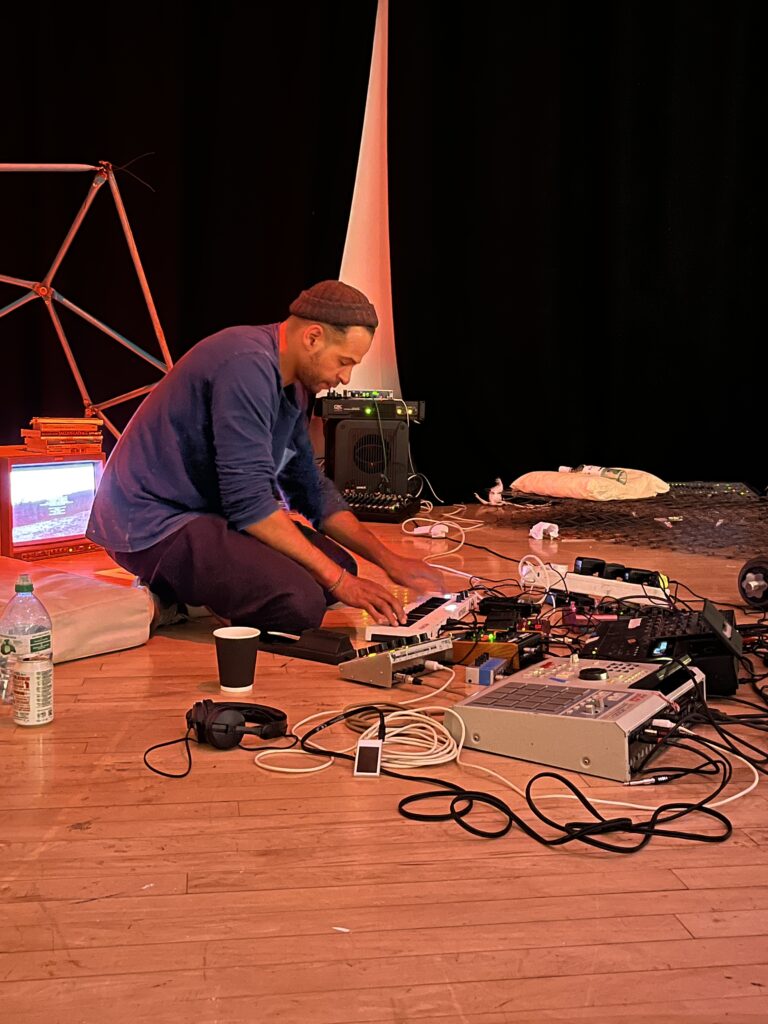
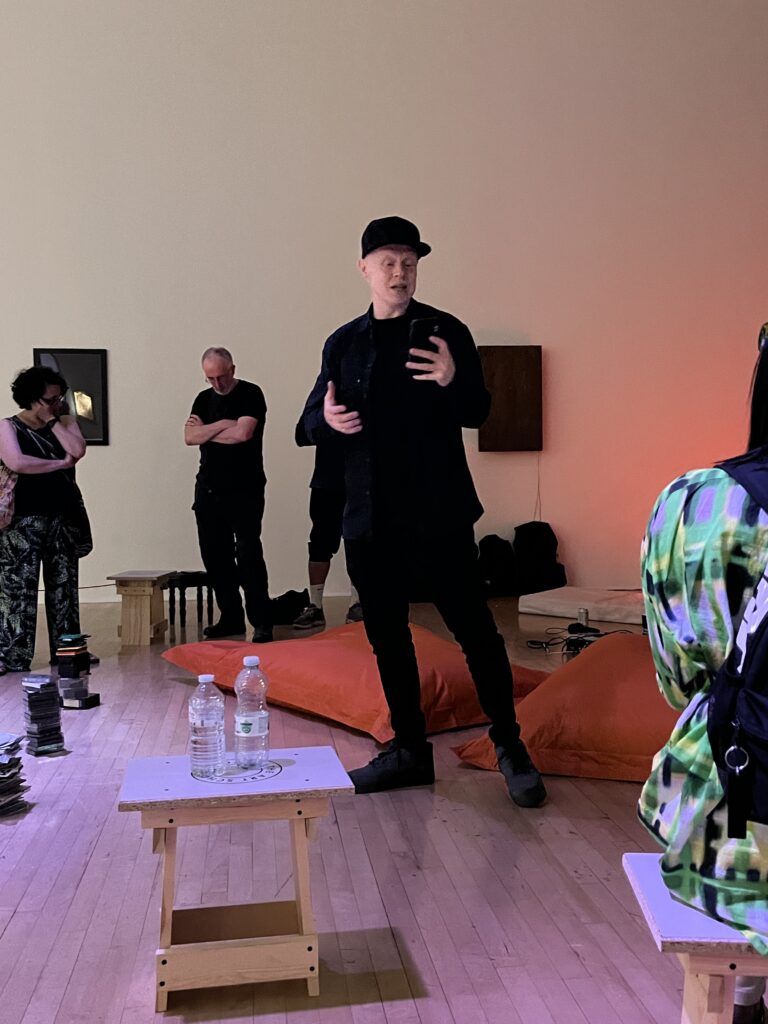
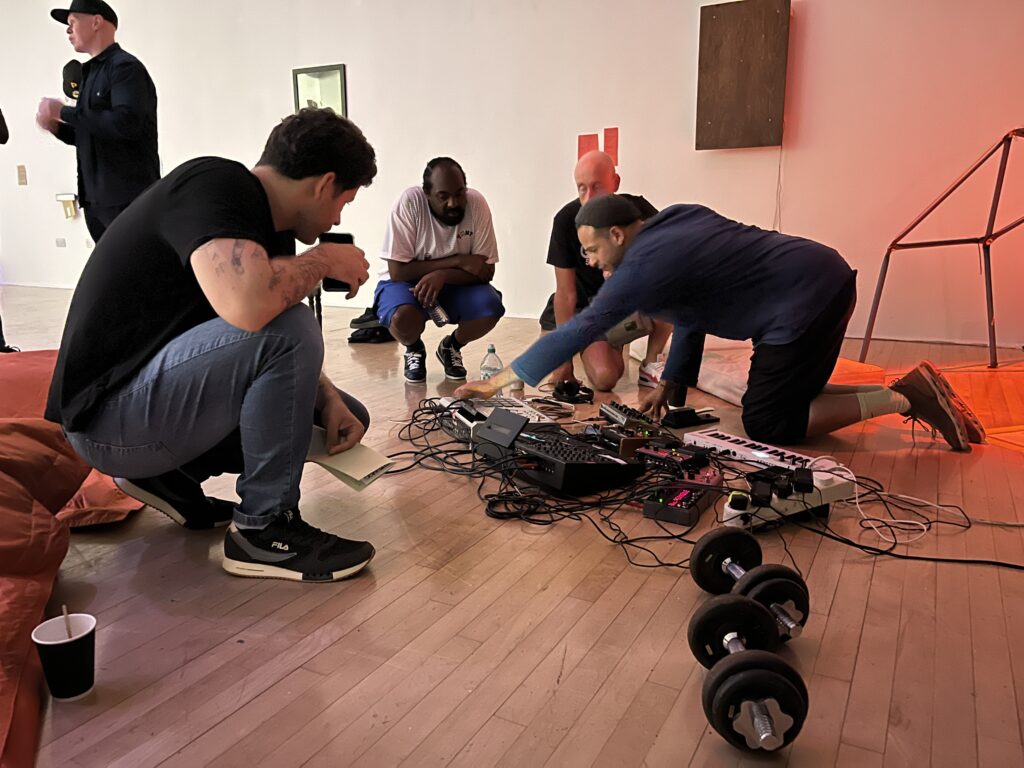
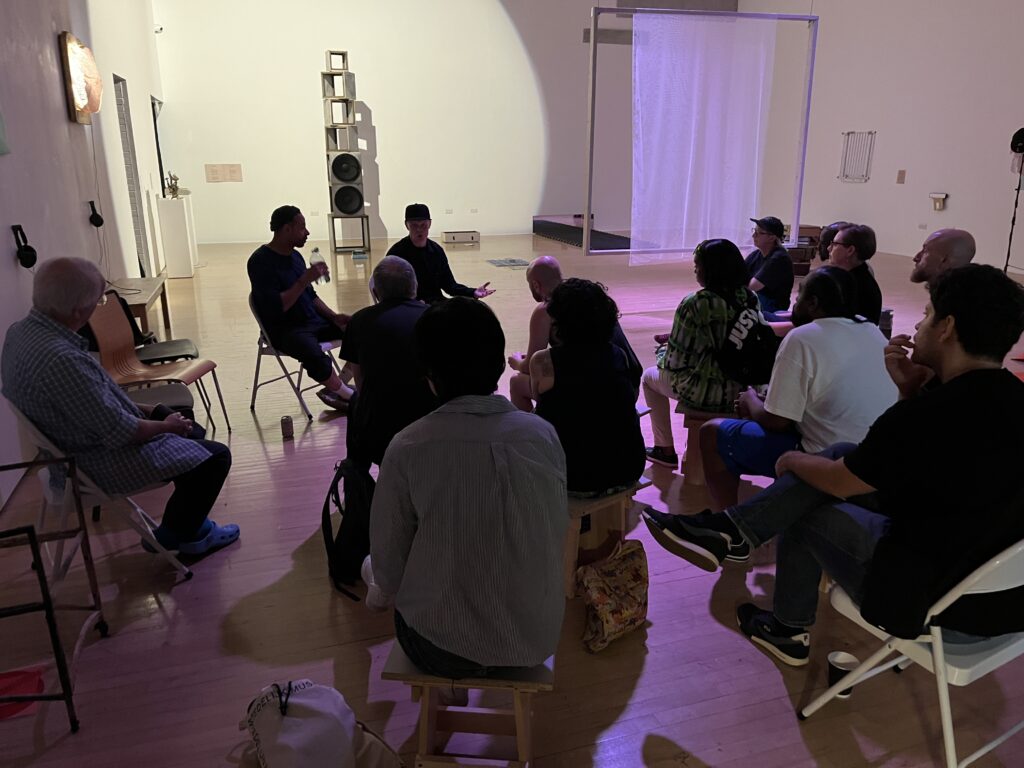
For the final iteration of Bonington Connects, we had Cappo and Tom Harris’s sound workshop and discussion. Their conversation brought to life the ideas that went behind Cappo’s exhibition CAPStone and the walkthrough contextualised the objects in the gallery, making it more accessible for the audience. Ending with a sound environment built by Tom Harris, conversation amongst visitors and artists evolved organically over coffee and many visitors later cited this event being particularly inspiring in their feedback.
These events were made possible through support from NTU’s TILT funding, allowing us to experiment with how galleries can become more welcoming spaces, invite external contributors and making sure they are fairly compensated. The events are tied together by their informality and their focus on participation and just the simple idea that galleries should be places for real conversations. Where it’s okay to like things, dislike things, or not be sure. Where big ideas can sit alongside personal responses and where everyone, regardless of how much art they’ve studied, can find something to connect with.
— Vidhi Jangra, July 2025
Bonington Connects was a programme devised and programmed by Vidhi Jangra and delivered in partnership with Bonington Gallery and its exhibition and events programme.

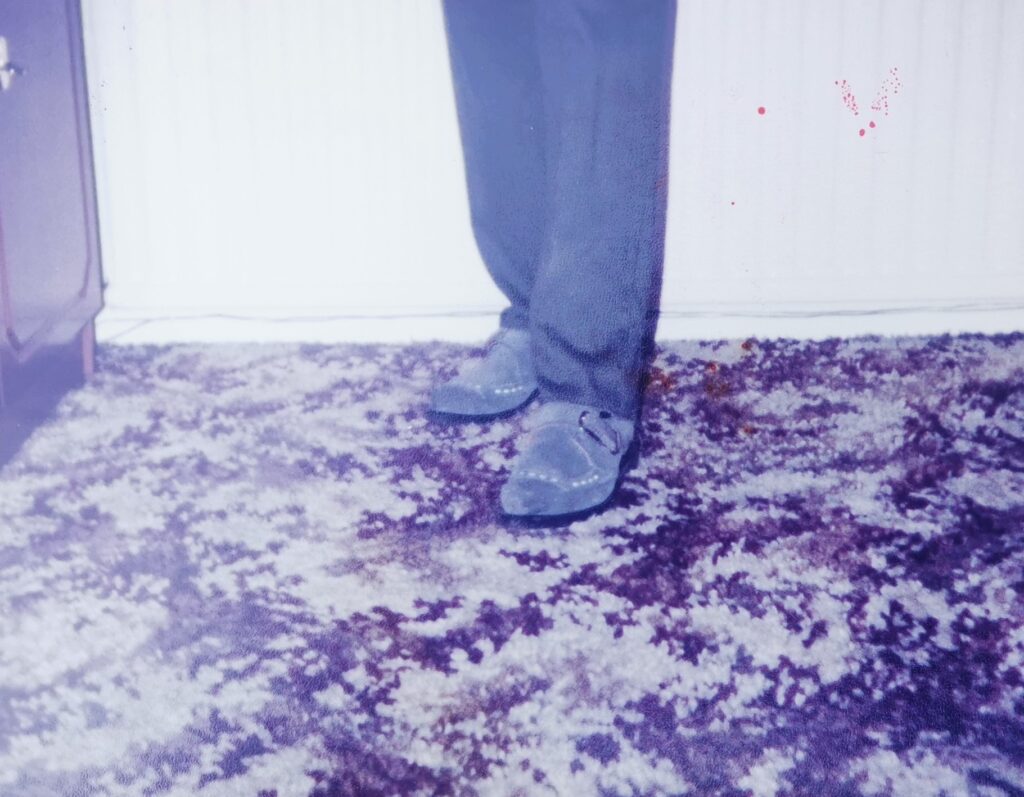
To accompany Bonington Vitrines #27: Nottingham Subcultural Fashion in the 1980s we are delighted to present a suite of specially commissioned essays by writer Ian Trowell. These describe and discuss in detail the conditions and key attributes of what defined that time – the designers, bands, night clubs and publications – as well as contextualising and positioning what was happening in Nottingham and the region against what was occurring nationally and beyond.
Visit the links below to read each annotated essay, or alternatively you can download a PDF here with accompanying image poster available here. Design by Jess Harris.
A limited number of printed versions will be available from the gallery during the exhibition.
Essay 0.1 – music newspapers, market stalls, stashed carrier bags
Essay 1.1 – bedrooms and living rooms, towns and cities
Essay 1.2 – shopping in the margins
Essay 1.3 – everyday places
Essay 2.1 – rival tribal rebel revel
Essay 2.2 – pop worlds
Essay 3.1 – night people
Essay 3.2 – futurist manifesto
Essay 3.3 – on suits
Essay 4.1 – mentioned in Déspatch
Step back in time and experience the magic of cinema through the decades.
For the second year running, Bonington Gallery is delighted to support students from the BA Film and Television course at NTU in developing, curating and staging a film screening event.
Hit Rewind is a film event celebrating the golden eras of storytelling, style, and culture. From the glitz of old Hollywood to the neon glow of the ‘80s, we’re showcasing short films inspired by the past, reimagined for today. Our hand-selected line-up of films celebrates nostalgia, reinvents retro themes, and breathes new life into cinematic history.
Join us for a nostalgic night of film, creativity, and retro vibes. Whether you’re a film lover or just looking for a unique and immersive cinematic experience, this is your chance to hit rewind and relive the past on the big screen.
Costumes inspired by your favourite era and characters from film history are strongly encouraged.
Hit Rewind is curated by Back to the Pictures who are a group of Nottingham Trent University students studying Film and Television in the School of Arts and Humanities.
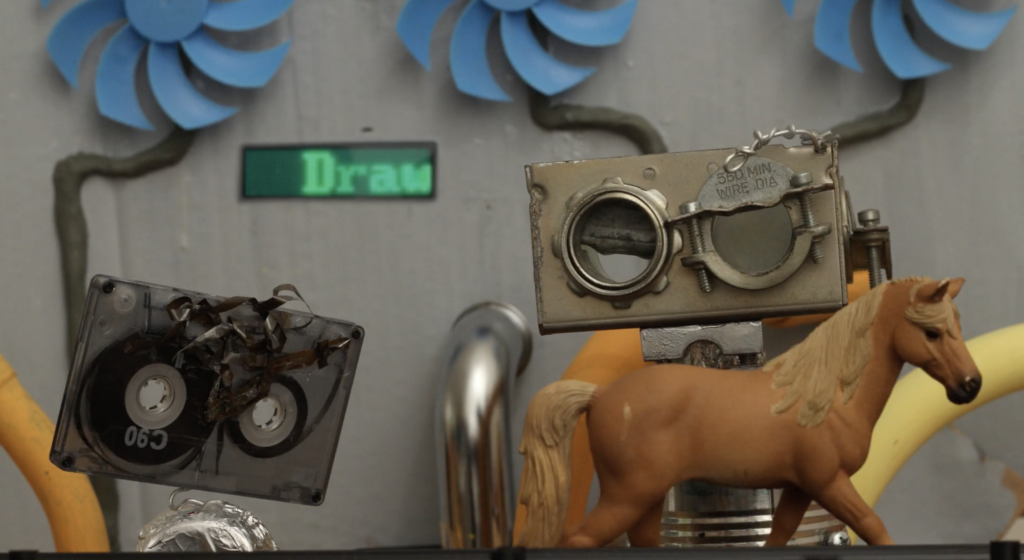
Credit: Image from How does A.I. work? (Noah Reiner, 2023). Website: https://yourfriendnoah.me/
We’ve had a great time working with second year Nottingham Trent University English students on their Literary Practices module where they have been producing articles, events, resources, and public-facing outputs on the theme of Literature and Visual Culture.
Ahmad Almatrouk, Omar Almutairi, Mitzi Stanford and Karina Watracz have assembled a written response to our September 2024 exhibition with a piece entitled A multi-cultural response to Bonington Gallery’s latest exhibition: ‘After the End of History: British Working Class Photography (1989-2024)’. This also included an in-person tour and introduction event in the gallery. Enjoy the read…

After the End of History: British Working Class Photography 1989-2024 is a Hayward Gallery touring exhibition curated by Johny Pits, who is a self-taught photographer, writer and broadcaster from Sheffield, England—a Northern soul child. He is the product of an African American musician father and a white working-class mother who taught English in the Yemeni community. These identities are reflected in the show by his purpose of emphasising the perspectives of practitioners who turn their gaze towards both their communities and outwards to the wider world, so instead of looking at working-class people, the exhibition will explore life through the lenses of working-class practitioners, who have not only turned their gaze towards their own communities but also out towards the world.
As a part of a project for one of our English modules focusing on visual culture, in our second year of studying the English BA course at Nottingham Trent University, four of us (Ahmad Almatrouk, Omar Almutairi, Mitzi Stanford and Karina Watracz) had the opportunity of reviewing and analysing Bonington Gallery’s autumn exhibition After the End of History: British Working Class Photography 1989-2024. To conclude our review and close analysis of the exhibition, we shared our study by conducting a walking tour with our module leader Jenni Ramone, other NTU faculty and a few postgraduate researchers; we took them around the exhibition for a tour of the art as seen through our eyes and related the photographs to our own backgrounds, cultures and personal responses. The guided tour ended up being a very stimulating and successful event.
There are 25 artists in the show but we have focused on 5 that we felt greatly interested in and connected to: the culturally gendered and baffling work of Kelly O’Brien, Richard Billingham’s deeply intimate and beautifully mundane portraits, Hannah Starkey’s interesting portrayal of women in urban settings, Chris Shaw’s delicately private lens of working in hotels and Tom Wood’s somewhat unsettling and dismal but quietly astounding set of photographs documenting the stages of life through bus stops.
This blog post consists of our own writing and pondering on the reflections of our own backgrounds within the works and exploring the contexts and meanings behind decisions surrounding this exhibition and from close conversation with Gallery Director Tom Godfrey; we aim to shed light on this unique and thought-provoking show.

Starting with Ahmed’s reflection on Kelly O’Brien:
The photography of Kelly O’Brien highlights issues of gender roles, class identity, and the unseen labour of working class women. Her personal art is influenced by her own upbringing in a council home with an Irish immigrant single mother. O’Brien’s photographs reflect the everyday lives of women and domestic places, especially those of her grandmother, Nana, who is depicted as the cleaner. Her art challenges us to consider what is apparent and what is invisible in our daily settings, whether they be at work, school, or home.
“I am going to focus on these 3 pictures, ‘Nana’s Bathroom’ (2014), ‘Cleaner No.1’ (2022) and ‘Cleaner No.2’ (2022).
O’Brien’s ‘Nana’s Bathroom’ (2014) caught my attention due to the use of light colour. The photograph shows a simple, nearly empty bathroom. The yellowish, off-white walls evoke council housing, which highlights the working-class experience, and the lack of material belongings suggests a life that lacks luxury, creating a possible underlying anti-capitalist message within the photograph.
In ‘Cleaner No.1’ (2022) and ‘Cleaner No.2’ (2022) we can see the direct invisibility of labourers; in both photographs, the cleaner’s faces are hidden. This facelessness symbolises how domestic workers are often only seen through the lens of their labour and their identities are overshadowed by their work. The plain white background emphasises her anonymity, making this a universal representation of many labourers whose work goes unnoticed. Coming from an Arabic background where we have an increased amount of labour, I personally felt that O’Brien’s photography has taken this information from my mind and accurately articulated the situation there. All the people who are working in honest jobs are just treated like people in the background or as stated before, “invisible,” which is heartbreaking but truthful.”

Karina’s contemplation of Richard Billingham:
Richard Billingham, is a photographer, artist, filmmaker and art teacher from Birmingham. Billingham’s work highly focuses on family life and a lot of his work features the house that he grew up in, his parents, and his brother.
“Billingham is one of the most impactful artists to me within the entire exhibition. Billingham’s photographs are some of the biggest photographs on display in the gallery; the size of the photographs is very effective, although it is the details in his photographs that awaken quite a visceral reaction within me. The settings of both photographs on display are very squalid: dirty walls, a random cloth on the bedhead, dirt on the armrest of the sofa, Billingham’s father in the bed who appears to be sick, and his mother doing a jigsaw puzzle. This kind of impoverished and dirty environment is a constantly recurring theme within Billingham’s work and it is something which makes him a deeply vulnerable artist.
What makes Billingham’s art even more vulnerable is the fact he uses his own family house as setting and his own parents as subjects. I think the exhibitionist nature of this kind of exposal of his family home and his family, when he clearly grew up in quite difficult circumstances, takes a lot of courage. When I was doing my research on Richard Billingham, I came across the website of another gallery which had his work on display, and I found some of Billingham’s commentary on his work displayed in that gallery and his family. The images which Billingham talks about are different from the ones displayed here, but the subjects are the same. Billingham states that: ‘The pictures shown here are of my father Raymond (born 1931): my mother Elisabeth (born 1950) and my brother Jason (born 1977). Ray is a chronic alcoholic and has drunk for as long as I can remember. He has not worked since he was made redundant from his job as a machinist around 1980. Liz very rarely drinks but she does smoke a lot of cigarettes. My younger brother still does not seem to know what he wants: he gets a job for a week or two and then leaves it. I think he is very lazy.’
Billingham’s work really reminds me of my grandmother’s house in a village in the South of Poland where I spent many of my Summers as a child. My grandmother was extremely poor, as were many other people in Poland due to its very long recovery from communism. The conditions in my grandmother’s house were also very dirty and squalid, but I always admired it, because it was home. Even though Billingham doesn’t shy away from presenting and talking about his gritty background, his art possesses a visible sentiment and love for his home and his family.”
Mitzi’s views on Hannah Starkey:
Hannah Starkey is a Belfast born artist who favours themes such as women depicted against urban backgrounds, which is abundantly visible in this large-scale work. This piece is untitled and it is the only work of hers included in the show. This photograph is a showcase of mundane realism in art; the typical British setting juxtaposed by a striking, confident woman highlights the beauty of the mundane and monotonous world and how we fit into our surroundings.
“One person could think she stands out as an outrageously incongruous character in this scene which could connote fear in the viewer but I personally think she dominates and foregrounds the scene, like she knows she’s different but wants to stand out. This work is significantly gendered but the feeling of not fitting in is universal. I can relate to Starkey and the woman in this photograph; growing up working class definitely has its negative and untrue stereotypes. I remember walking down the street with my parents who are working class punks who look like they just stepped out of a Sex Pistols gig and feeling overwhelmingly alien compared to the area I grew up in. Moreover, the sky is dark, gloomy and almost sublime in the painterly, ‘Turner’ sense of how scary the power of nature can be, it is almost as if God could strike down any second and destroy this dynamic moment in time. The colours of the background are very dull, and dark which creates an antithesis between the foregrounded character in the composition who stands out as she has red hair, wearing pink boots and long blue socks, she’s making a statement. It makes us wonder, is this an unnatural environment for her? Does she feel nervous being there or comfortable? There are 2 other figures in the photo who are void of colour and fade away with insignificance compared to the female perspective which dominates, linking back to the themes that Starkey focuses on. Additionally, connecting this work to the Working class theme running throughout this exhibition felt distanced and difficult for me at first but when you think about Starkey’s intentions and forcibly peel your eyes away from the interesting and dominating woman in the foreground you can see that the writing on the right wall above her is a mural which were common around Belfast for both Protestants and Catholics to acknowledge the loss of life in battles such as WW1, this specific Loyalist mural is commending the South Belfast brigade and the subtle inclusion of realist horrors, a sense that ghosts are lingering on the street contrasted with a woman dressed in Japanese, Lolita style clothes who objectively does not fit into the environment feels so surreal and dystopian that it intrinsically displays themes of the working class life, especially the merging of identities.”

Omar on Chris Shaw:
Shaw was born in Wallasey Merseyside in 1961; he is a documentary photographer and one of his most well-known works, Life as a Night Porter, came from years of working in hotels across Europe, often during night shifts. He stated that:
the reason that I got the hotel job was I was homeless, actually, and a way to get out of my homeless situation would be to get a job in a hotel which had staff accommodation, …
“Having to keep himself awake, he started taking photographs to help him stay awake so he wouldn’t get fired. He took photographs of anything he found bizarre that he encountered; from naked drunk men, drunk people locking themselves out of their rooms, which to him it’s what he hated the most. He wasn’t interested in capturing conventional beauty. Instead, he gravitated towards raw and sometimes uncomfortable truths about society, and that was an era when photographers were pushing boundaries, but Chris stood apart from that by having a dark and an intensely personal style. I find something haunting about the way he captures isolation in crowded urban environments, and that’s a reminder that even in the most populated areas, there are stories of loneliness and solitude. Chris started capturing these spaces and the people within them, creating photos that feel like stolen moments, as if the viewer is seeing something that’s not meant to be seen.
What makes his work particularly powerful is the aesthetic that he developed; his photographs are usually black and white, often grainy or underexposed. This style brings a feeling of mystery and darkness, making each scene feel raw and real. He was heavily influenced by photographers like Anders Petersen and Daido Moriyama, who also embraced imperfection and darkness over polished visuals. Chris made this style distinctly his own, using it to reveal an almost cinematic quality that captivates the audience. His photographs have been displayed in exhibitions around the world and published in books like Life as a Night Porter and Weeds of Wallasey. Through his work, Shaw has built a unique legacy in documentary photography, inspiring others to seek beauty in places and moments that might go unnoticed.”

Back to Mitzi looking at Tom Wood:
Wood is an Irish born artist who lived in Merseyside between 1978 and 2003 before moving to north Wales. Due to costs, he uses versatile mediums such as old fine film and out of date filmstock which lends a grainy quality to his images. For over 15 years, Wood documented his bus journeys through photography, capturing an extensive collection of images that culminated in his renowned series All Zones Off Peak in the late 1990s.
“Within these photographs, the bus transforms into a stage, with passengers assuming the role of performers. Some subjects confront the camera directly, while others gaze dreamily out of the windows, seemingly unaware of Wood’s presence. At times, the perspective shifts outward, as figures on the street appear blurred by rain-speckled glass; in other moments, Wood’s lens reverses the gaze, observing them from outside the vehicle. His bus journeys depicted take place in Liverpool; the images show diversity and intimate daily life of strangers looking into or through bus windows, even so that the viewer’s own reflection also becomes a part of the image. His work is shown through 4 framed photographs symmetrically placed forming a square, titles include: Towards Huyton (1992), Chester Bus Station (1992), Lime Street, Liverpool (1995) and Kirkby (1996), all the photographs are analogue darkroom prints on Maxima Gloss. Two of the photographs are taken from the interior of a bus, the first scene is decorated with characters, children who are innocent of mind and distracted by their individual lives; to me it’s quite a peaceful and humorous image. There’s graffiti on the interior, a nod to your average busy bus passing through working class neighbourhoods. You don’t particularly focus on one figure or face, it’s a universal theme of mundane life but also intimate and arguably beautiful. The other photograph taken inside of a bus is a combined lens of the interior scene and another bus looking in, the windows are foggy, reminding us of a chilly rainy day, figures are looking at one another between buses, it’s an awkward experience we’ve all had. The tilted angle provides an unstable composition, perhaps suggesting a tension between the characters within the two buses looking at one another, one young and one old.
The two other photographs are taken of people waiting at bus stops, one shows two young girls directly addressing the viewer by looking nervous and/or judgemental at the camera in a visually unappealing and dreary bus stop. The other image contrasts greatly by portraying mothers and their children also waiting for the bus, another mundane, very day life scene, but the viewers eyes lock straight onto a glamorous looking woman and mother wearing a pink blazer and rocking an 80s hairstyle, she’s dominating the scene by juxtaposing herself (not on purpose perhaps) with the setting of a busy bus stop. However, her eyes are cast downwards, almost in submission or deep though, maybe even sadness. I’ve thought long and hard about what she might be thinking about, but I can’t quite figure it out, so this work left me slightly unsatisfied but heavily intrigued.”
And that concludes our review of Bonington Gallery’s Autumn 2024 exhibition. Throughout writing this blog and figuring out how to talk about art in this way we really had to challenge ourselves to see from different perspectives; the art existing in the exhibition forced us to talk to one another about our own backgrounds, which we quickly realised were worlds apart as we all come from very different upbringings, but all undeniably working class which gave foundation to the universally relatable topics of conversation that we had during this process. It brought us together, as we saw ourselves in the photographs we were also able to understand each other potently. For those of you who missed the exhibition then it travels to Stills Gallery, Edinburgh in March 2025.
Written by Ahmad Almatrouk, Omar Almutairi, Mitzi Stanford and Karina Watracz.


For an exhibition in March 2025, we are running an open call for materials that relate to Nottingham’s independent fashion scene in the 1980’s.
This period was an exciting time for homegrown fashion and style culture. Brands such as G Force, Olto, Cocky’s Shed plus others combined local talent & style discernment, with entrepreneurism & DIY attitudes to start labels, open shops and form connections and influence on a global level.

Do you have any Nottingham labels in your wardrobe? Did you start/run/work for a local label? Did you shop at G Force? Do you have photos of you and your friends wearing garb to The Garage? Did you pick up copies of Nottingham’s style pages Débris or Despatch? etc etc! If so, we’d love to hear your anecdotes, see your photos and materials (Eg. photos of night out, flyers, receipts, magazines, brochures) that relate to the scene and time.

The intention is to build a collection of material that will become part of the exhibition, and if contributors are happy, have this preserved within a growing archive of material going forwards.
In the first instance please email boningtongallery@ntu.ac.uk with any information and digital copies of materials (just snaps on your phone is fine) and we can take the conversation from there.

Wednesday 4th December, 1-2pm. Book here (only open to NTU students)
Bonington Connect is a new series of get-togethers at Bonington Gallery where themes within our exhibitions can be discussed and explored in a friendly and informal setting. Led by MFA student Vidhi Jangra, this session will explore photography from a working-class perspective, drawing upon ideas from Susan Sontag and Roland Barthes.
By students and for students, Bonington Connect invites the NTU student community to engage in thought-provoking conversations in response to Bonington Gallery’s exhibition programme. Aimed at creating an accessible atmosphere, this series encourages students at all levels of study to connect with each other and explore themes & ideas in an informal, open and engaging setting.
Each event in this series will explore specific themes and highlight influential thinkers in the arts. The inaugural session, led by MFA student Vidhi Jangra, will focus on working-class perspectives in the arts, drawing on the current exhibition After the End of History: British Working-Class Photography 1989-2024. Referencing theories from Susan Sontag’s On Photography and Roland Barthes’ Camera Lucida, the session will examine the layered dynamics between photographer, subject, and viewer. Engaging directly with the exhibited works and theoretical insights, the talks promise to be both informative and conversational.
A 30-minute talk in the gallery will be followed by refreshments in the Bonington Atrium, where you’re invited to continue the conversation in a friendly and informal atmosphere.