

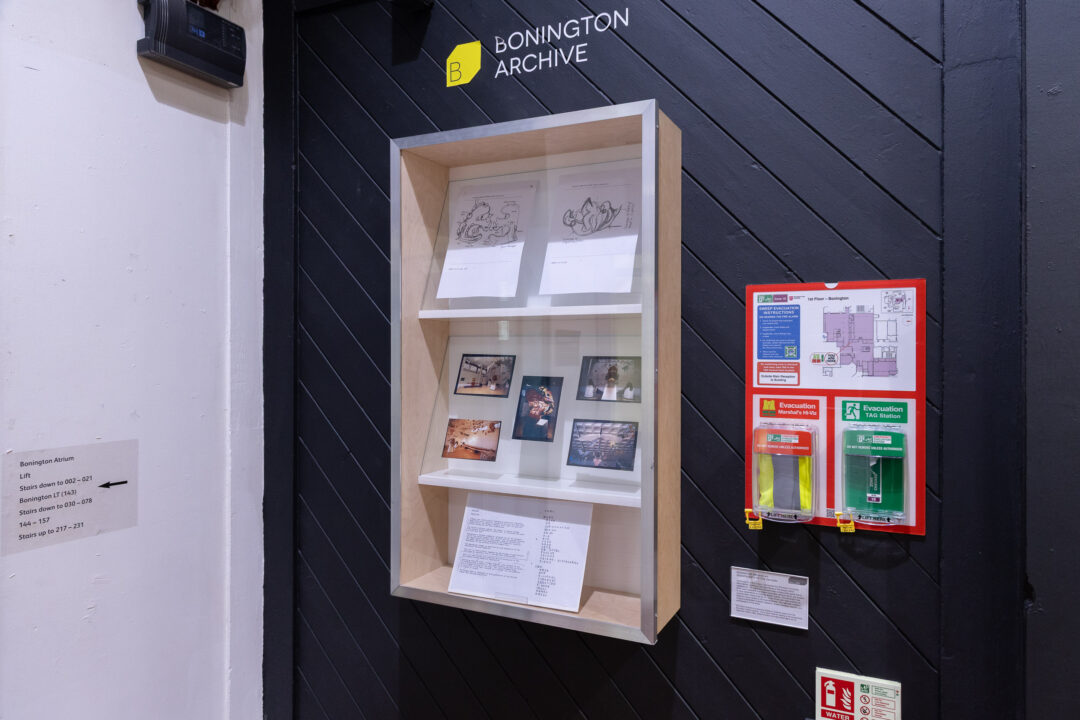
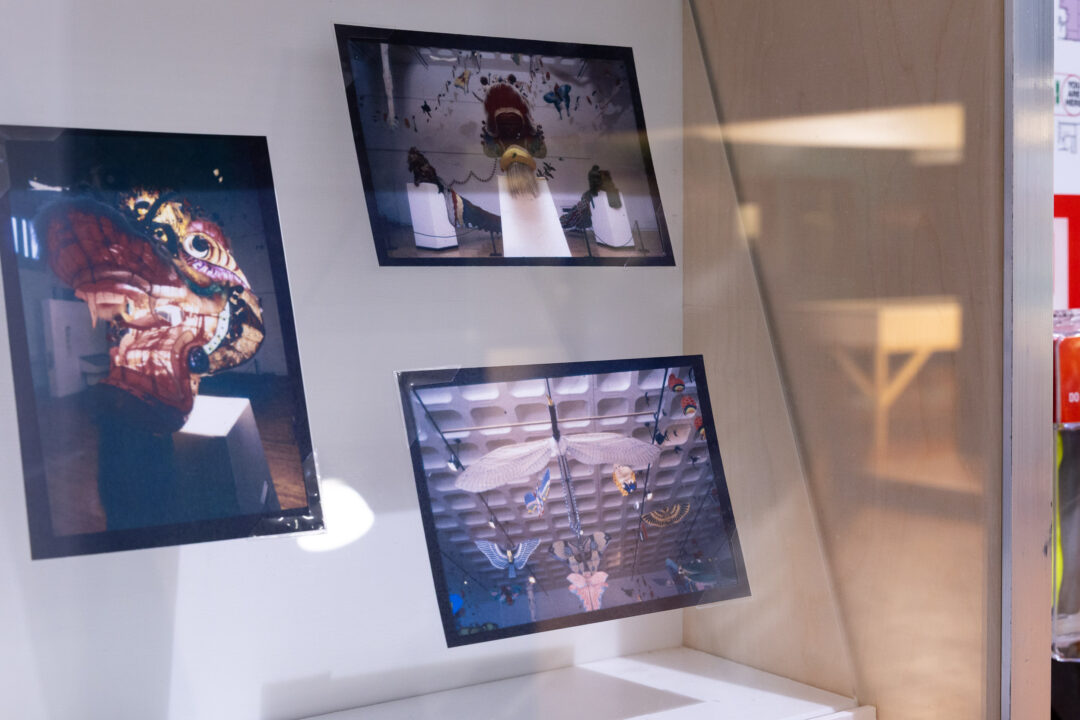
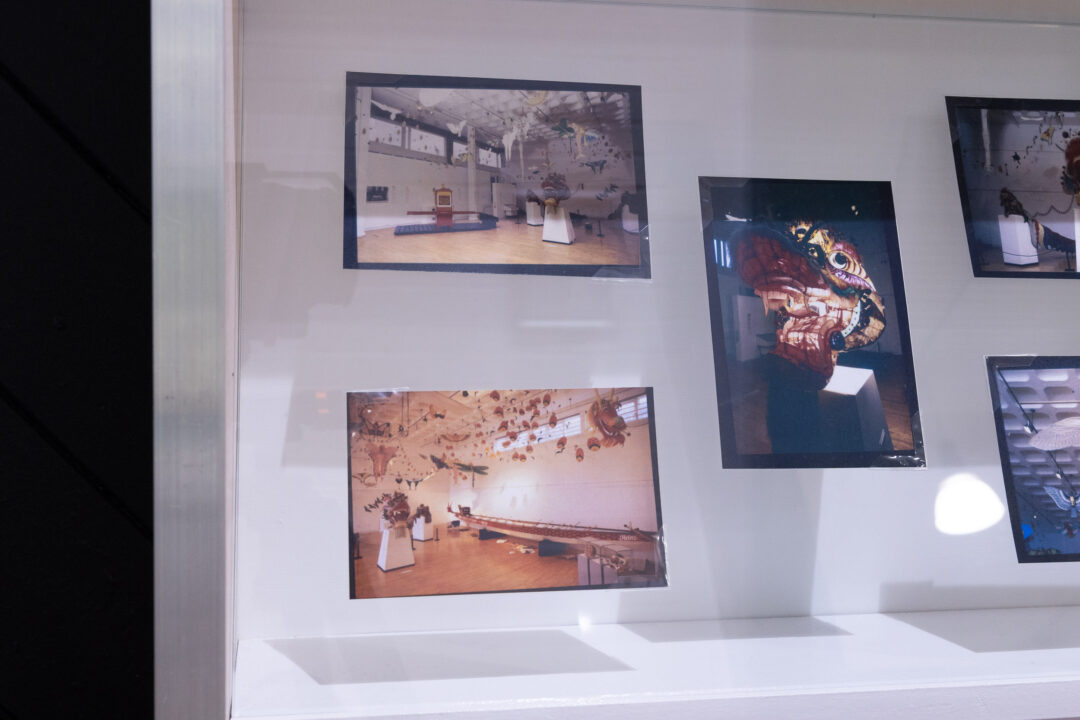
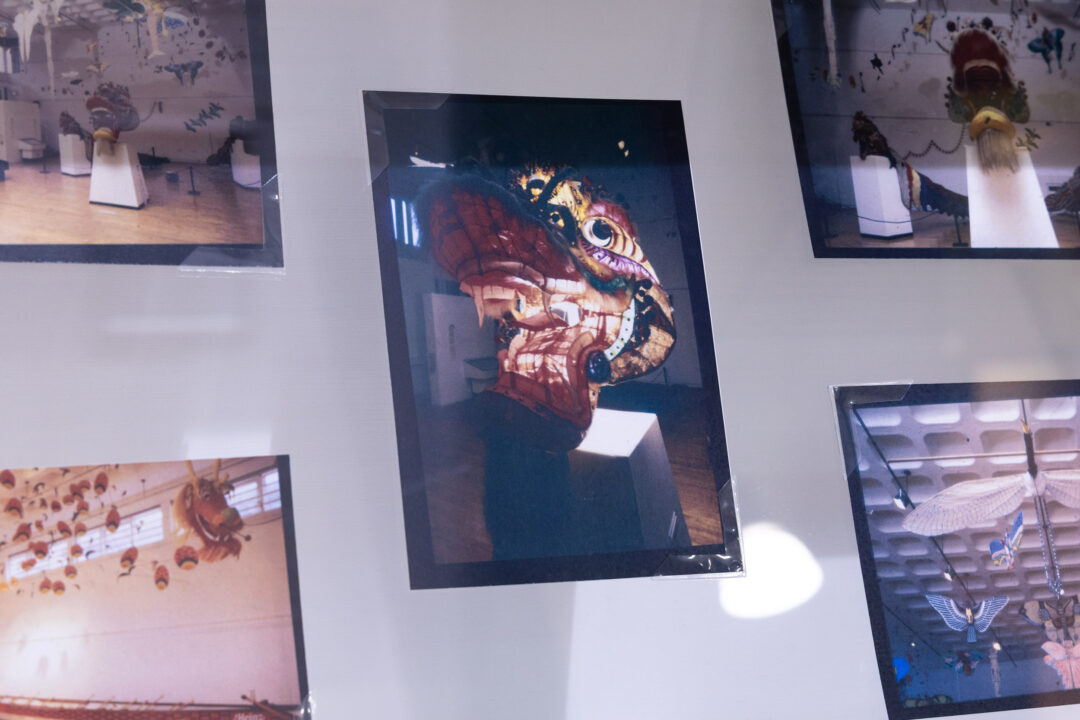
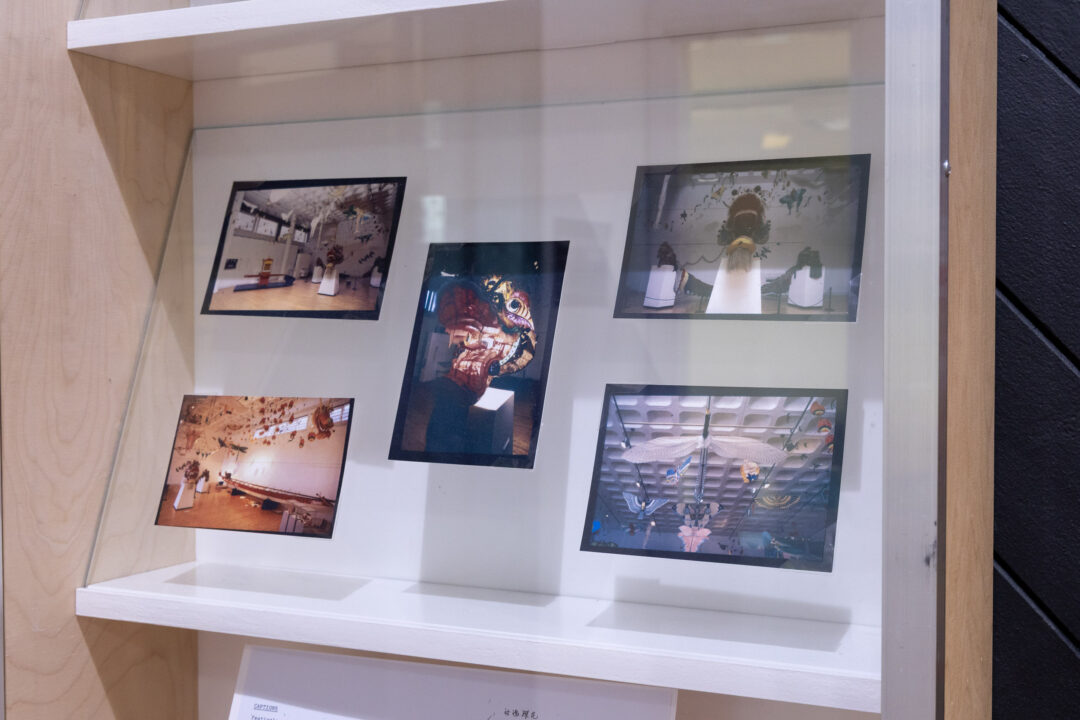
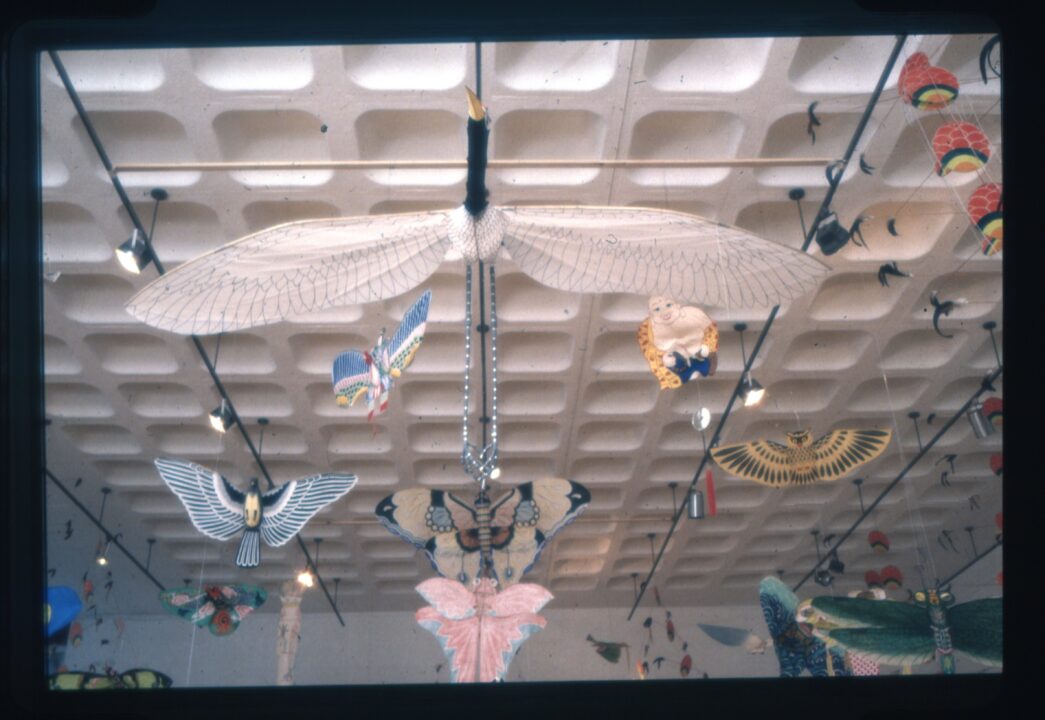
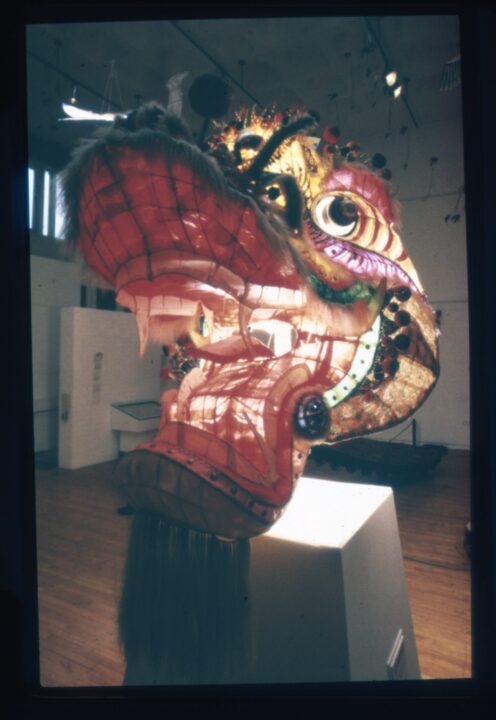
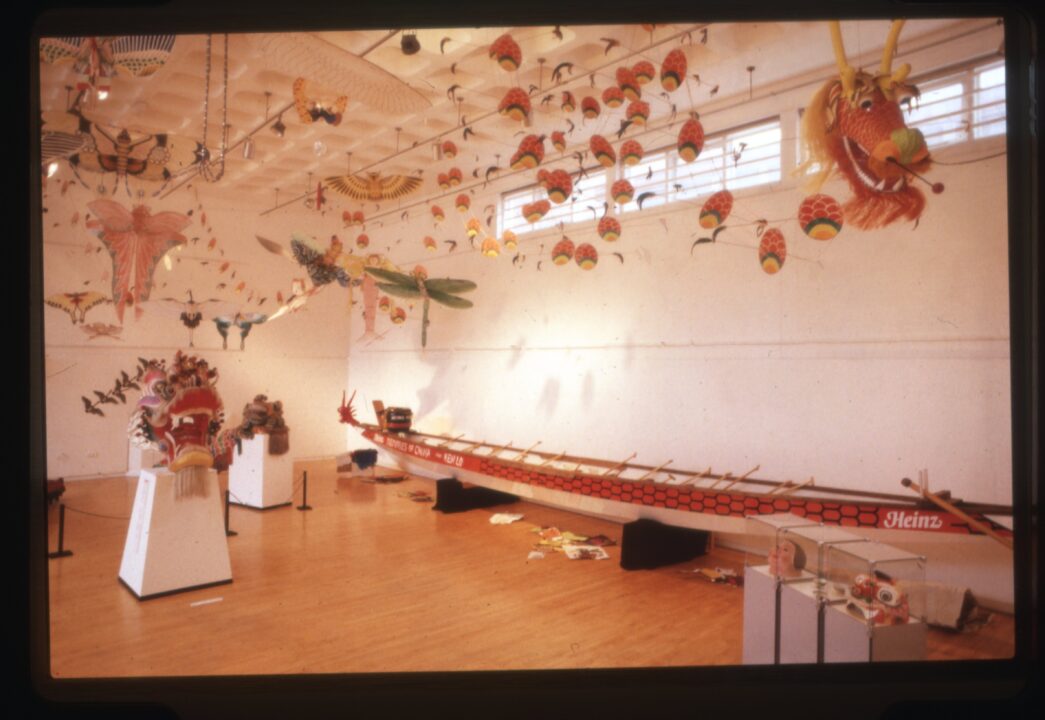
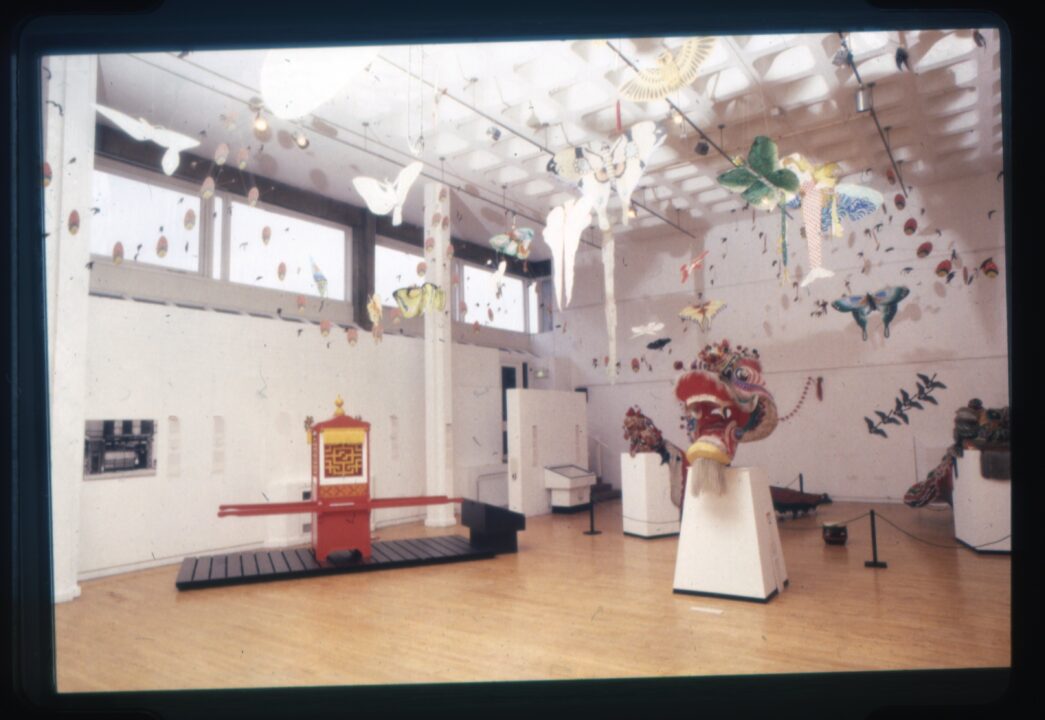
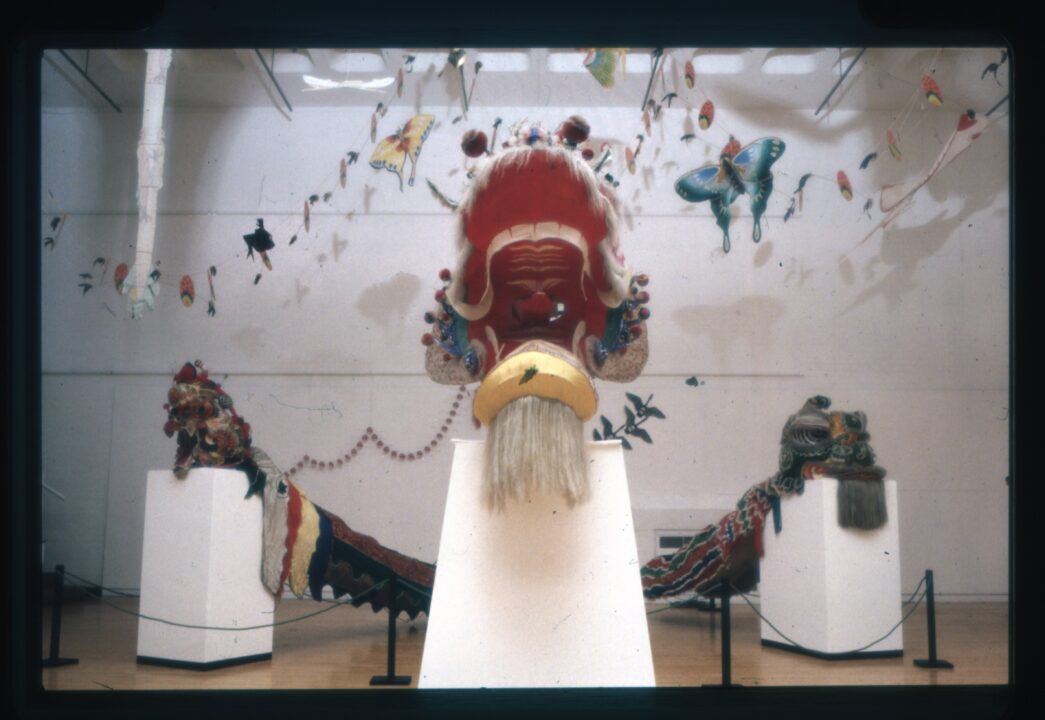
In our latest archive display we take a closer look at Descendants of the Dragon, 1991. This exhibition highlighted the Chinese community within Britain, looking at the importance of the dragon within celebrations. The exhibition showed many sculptural/puppet works which were related to the dragon and other animals that are present in ritual celebrations in Chinese-British culture.
Descendants of the Dragon showcased Chinese artists based in the East Midlands, as well as works from China. The majority of the space was filled with sculptural works that were used in ritual and festival settings featuring a large dragons head at its centre, and a long boat to the side. The ceiling of the gallery was covered with kites of different animals, including cranes, eagles, owls, and butterflies.
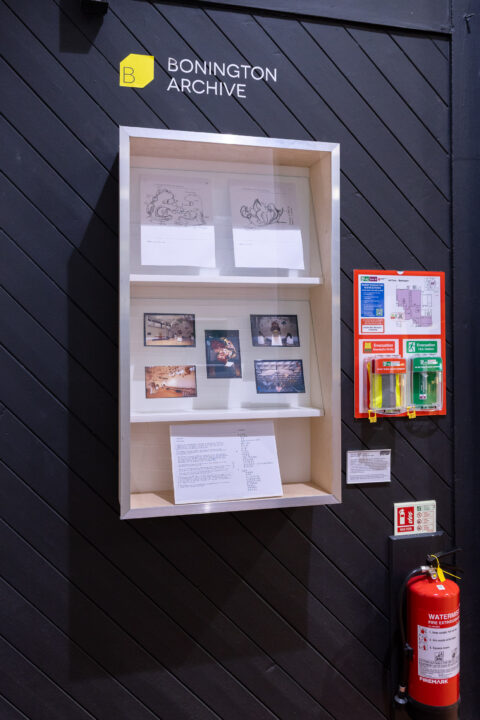
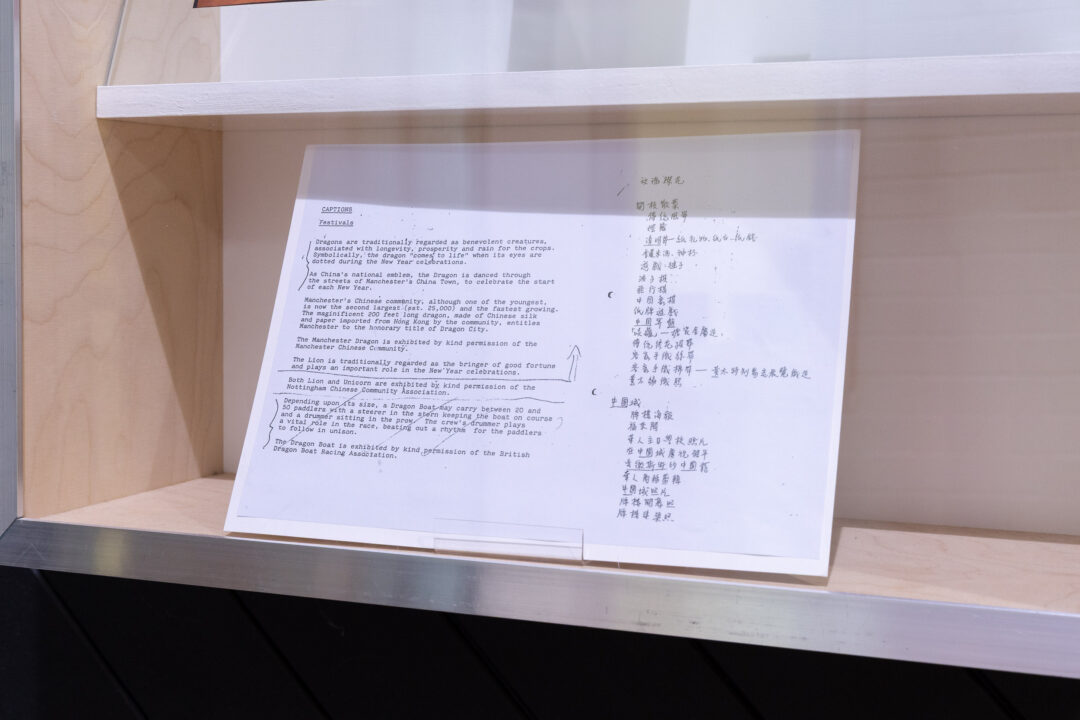
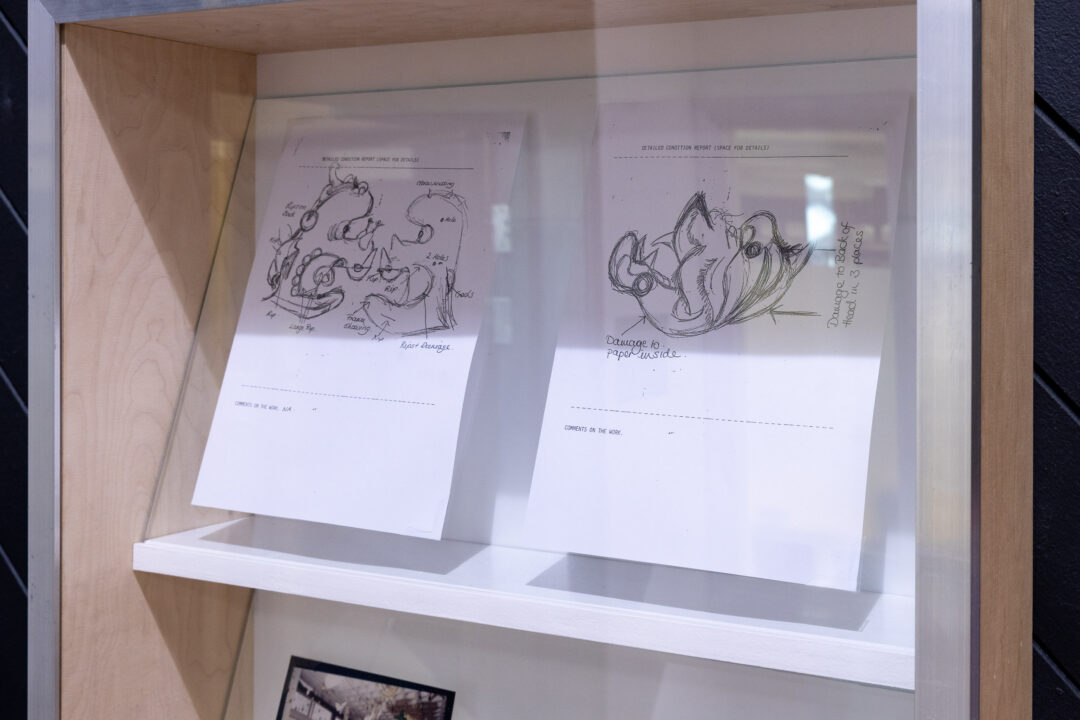
Curated by Alex Jovčić-Sas, the Archive cabinet contains photographs from the original exhibition, alongside condition drawings/reports for the main piece which sat in the centre of the gallery. There are also some of the original captions which have been written in mandarin and translated into English.
This exhibition has recently been researched by Dr Vivien Chen who was looking into diasporic East Asian artists in the East Midlands.

Join us for a free guided tour of Bonington Gallery’s latest exhibition with BSL interpretation.
Book your free place and enjoy a tour of Bonington Gallery’s third exhibition of the season, Weird Hope Engines curated by David Blandy, Rebecca Edwards and Jamie Sutcliffe, led by the Gallery’s Director Tom Godfrey.
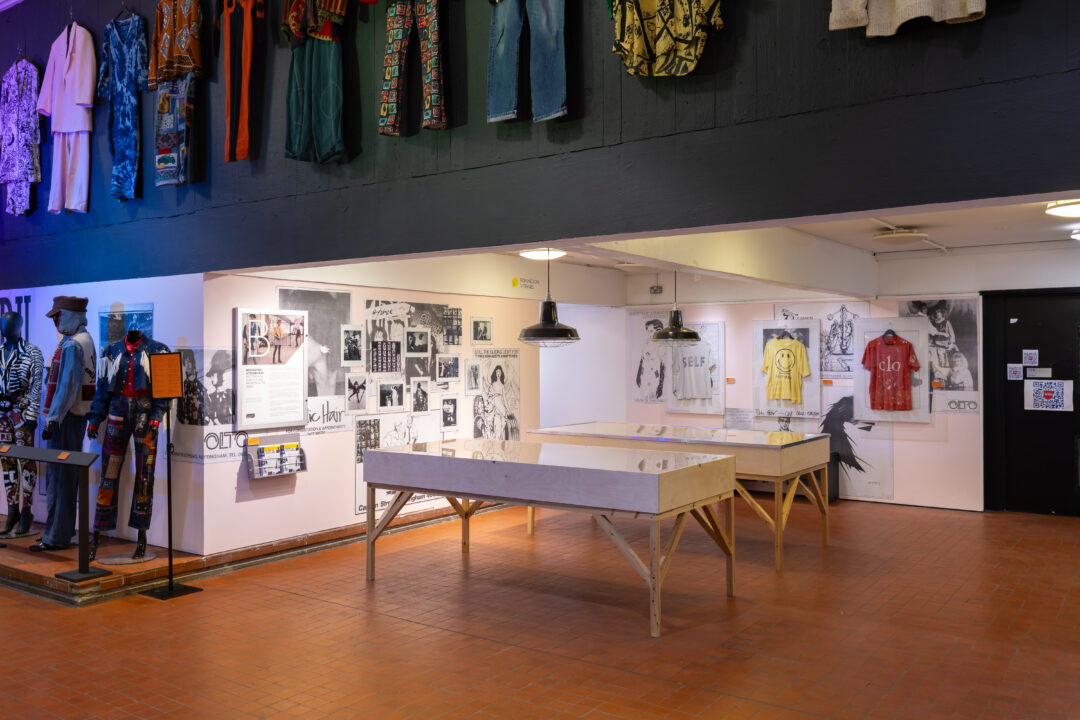
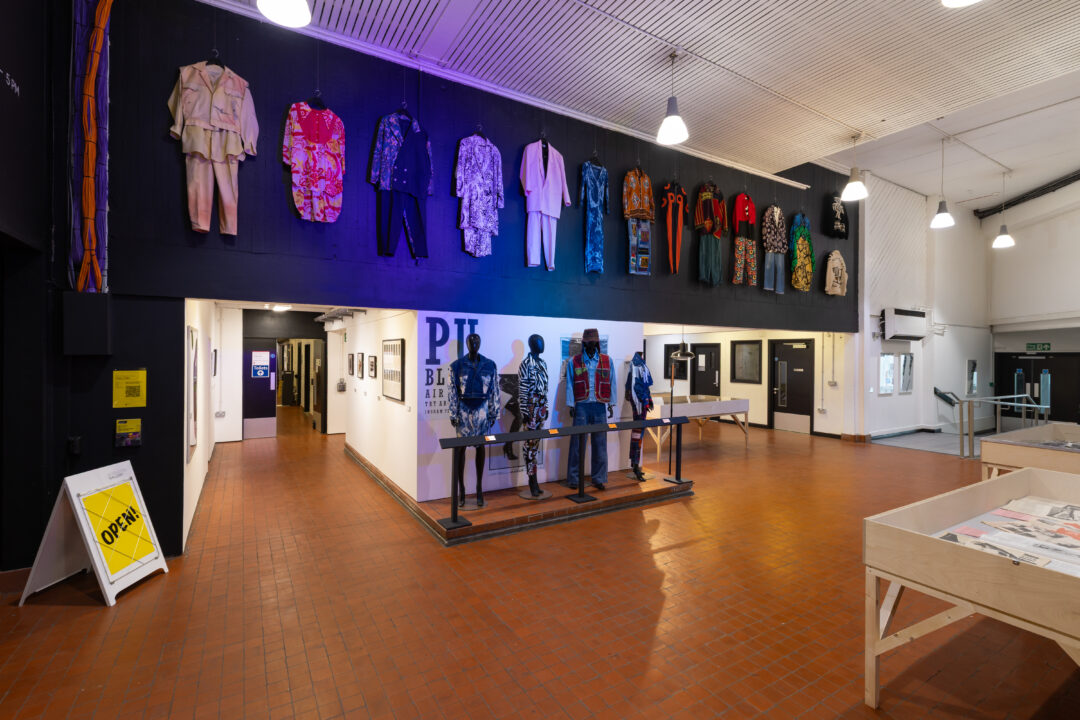
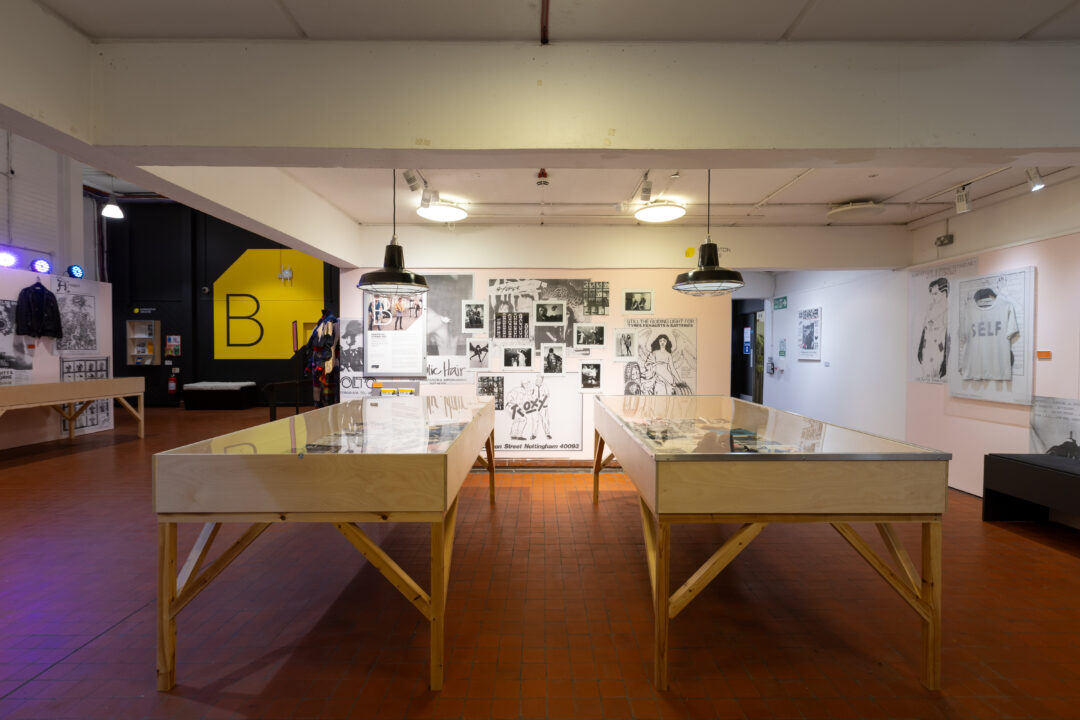
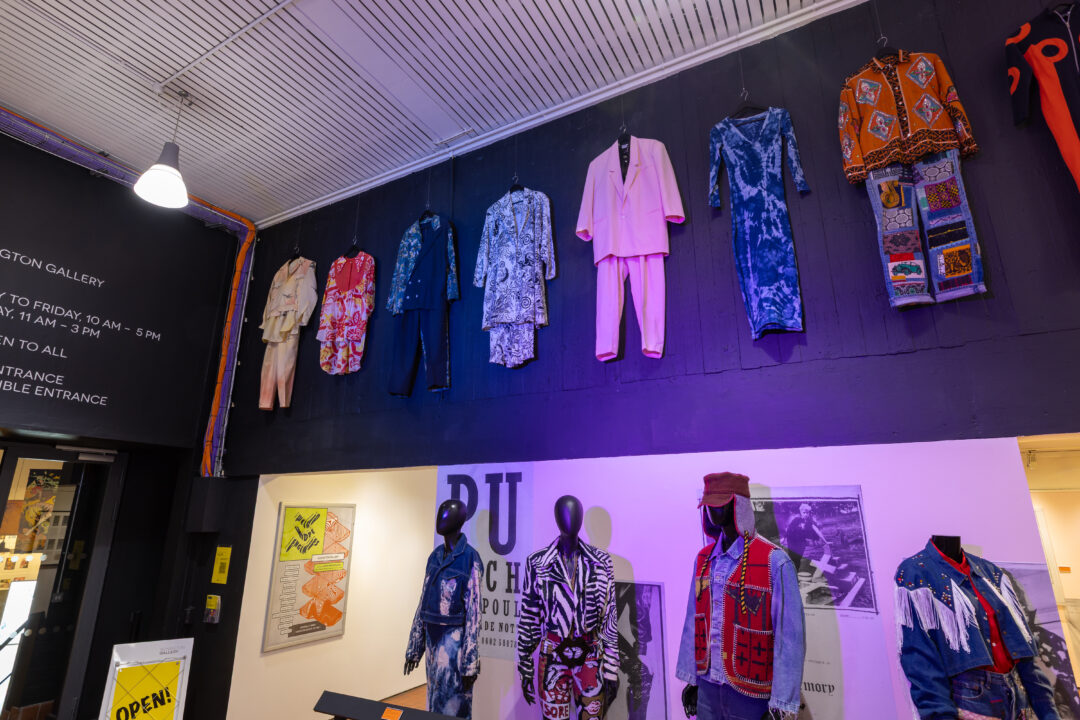
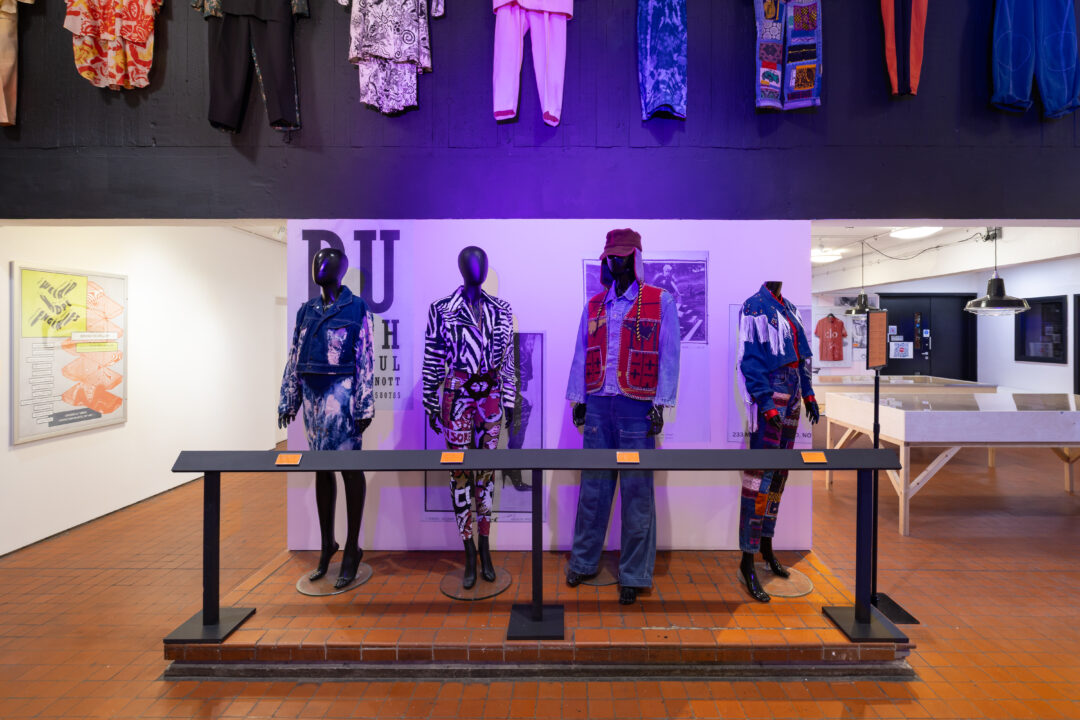
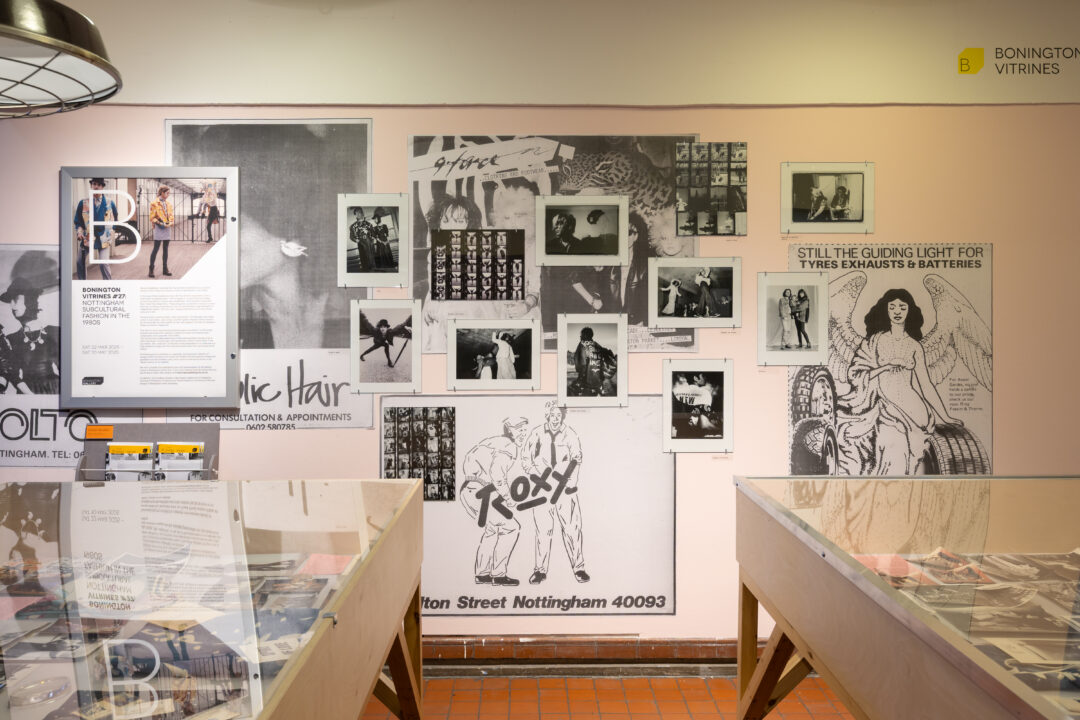
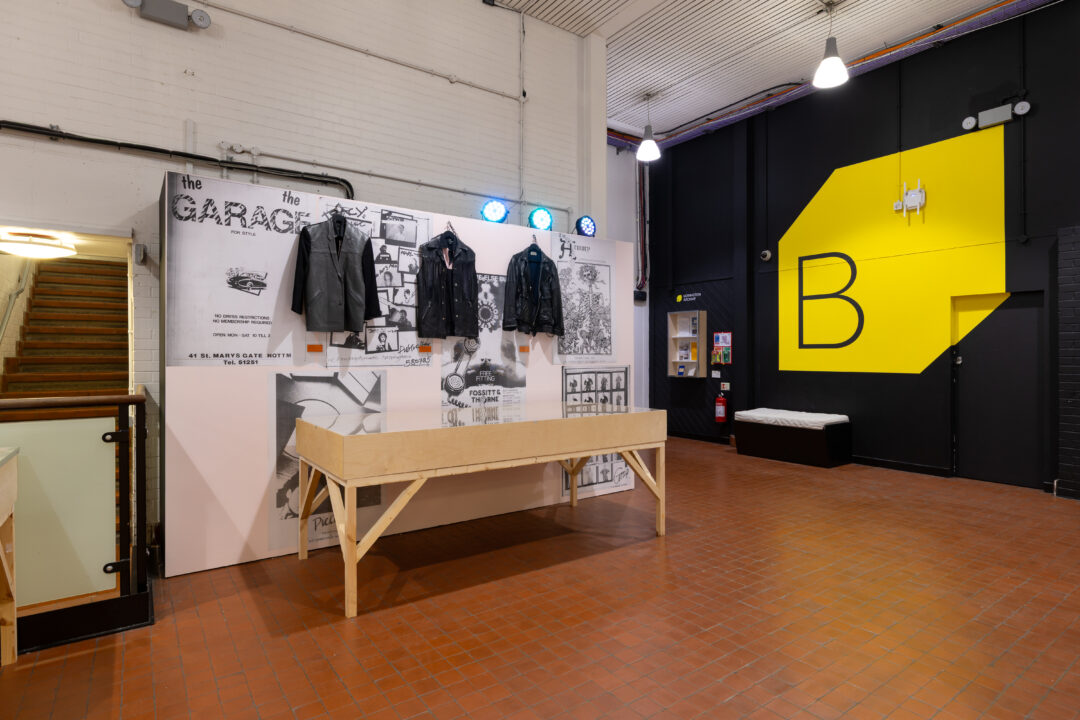
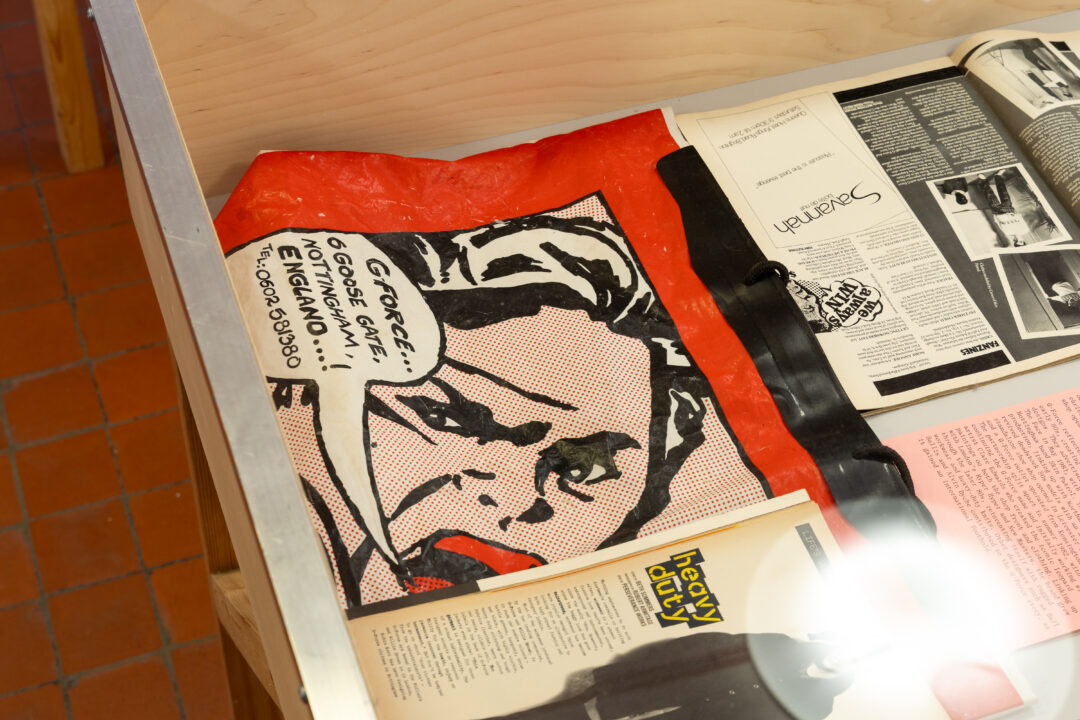
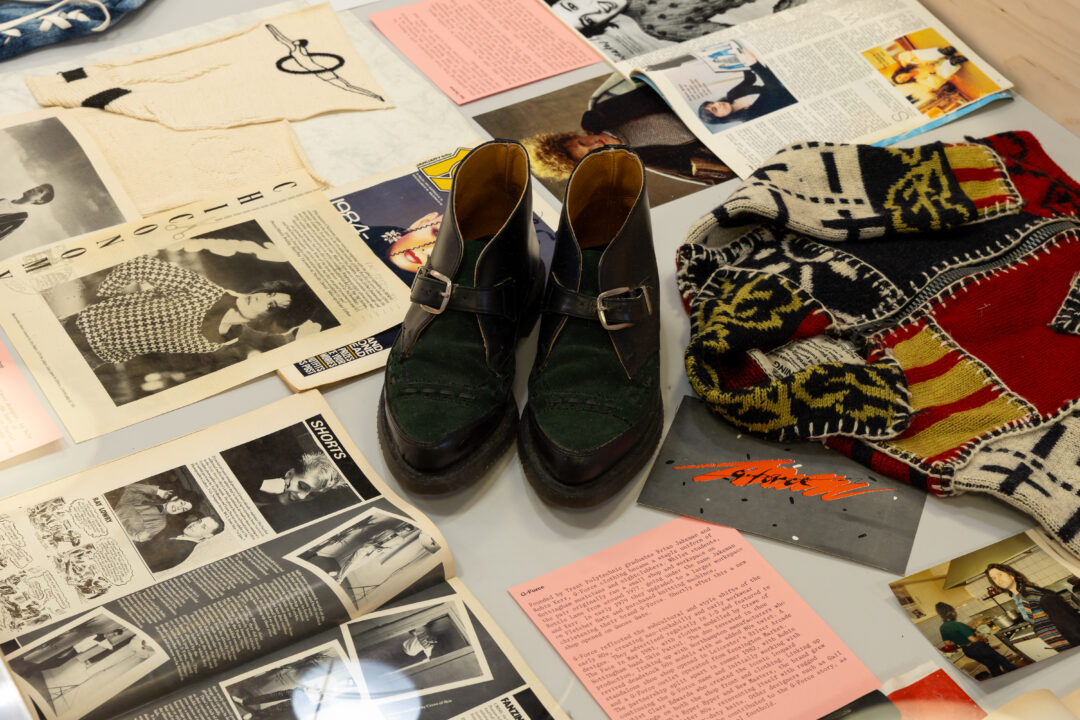
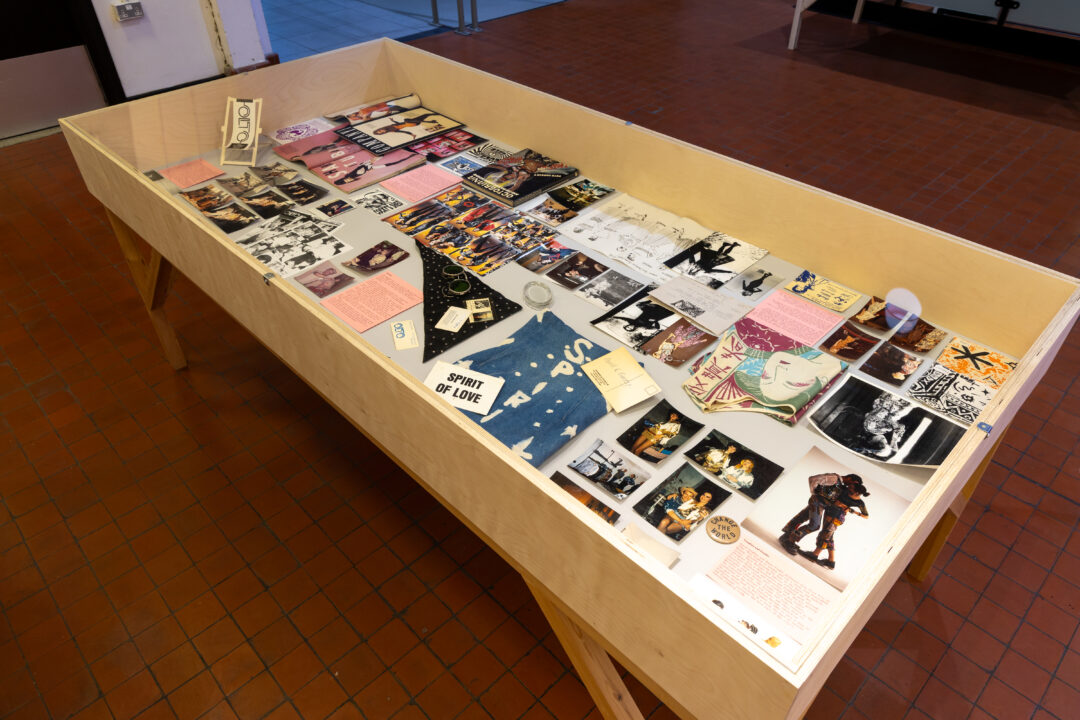
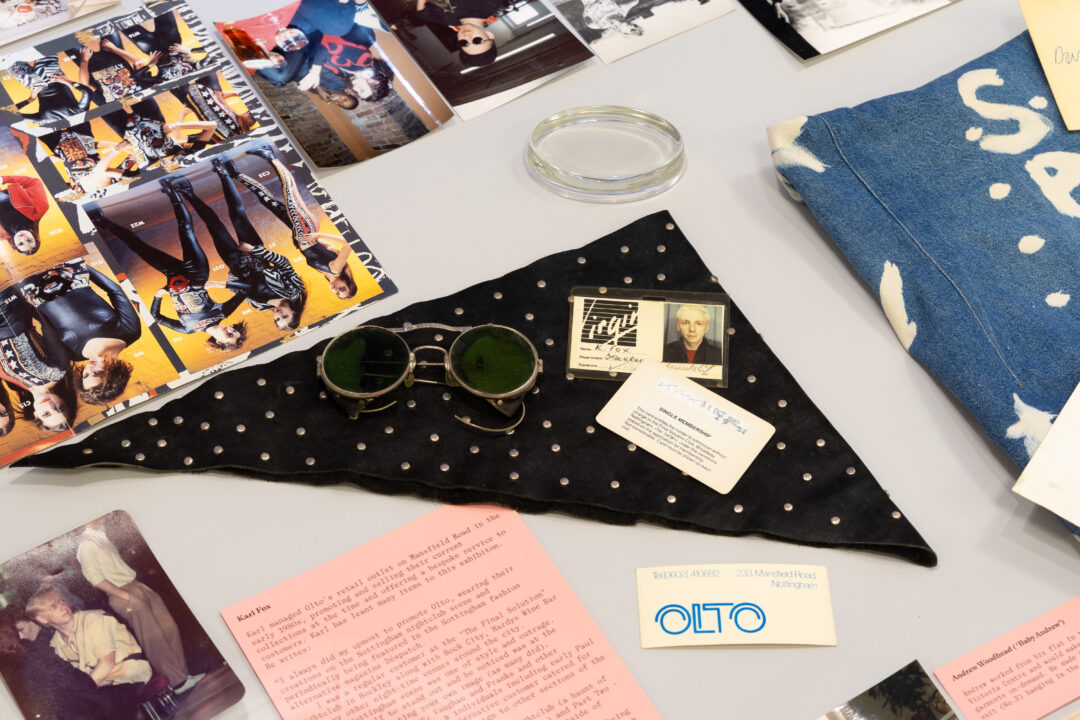
Along with an introduction to the exhibition, Tom will talk through the accompanying Vitrines exhibition Nottingham Subcultural Fashion in the 1980s.
This event will last up to an hour. Please meet inside Bonington Building in the foyer space outside the Gallery doors at 12.55 pm. Free and open to all, booking required.
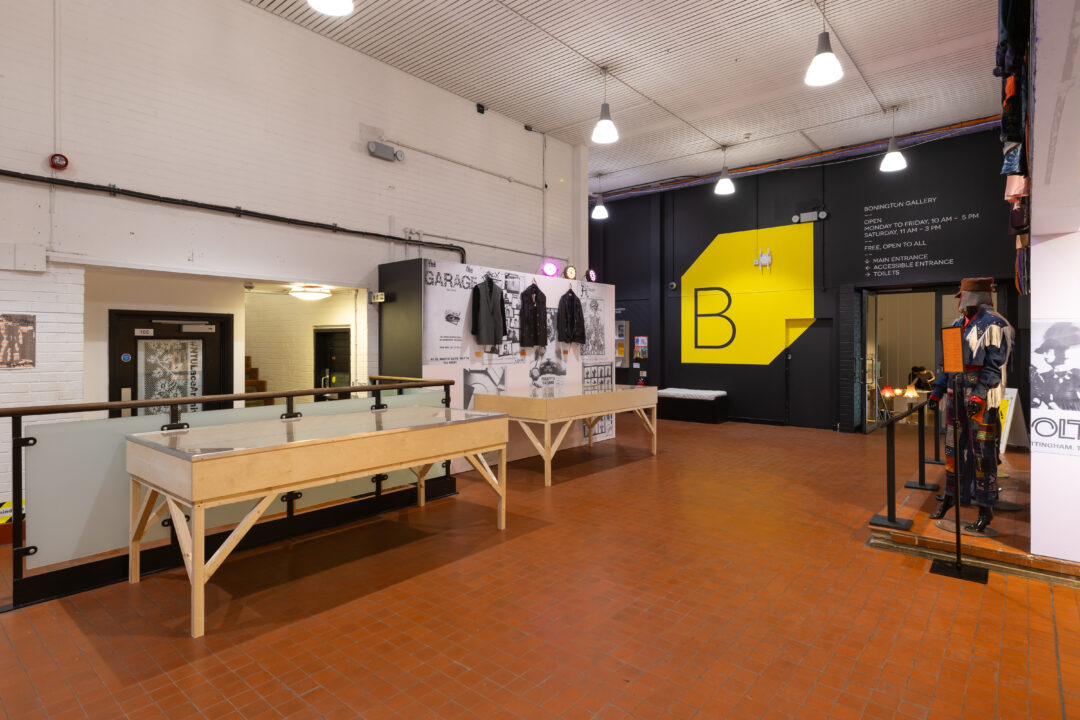
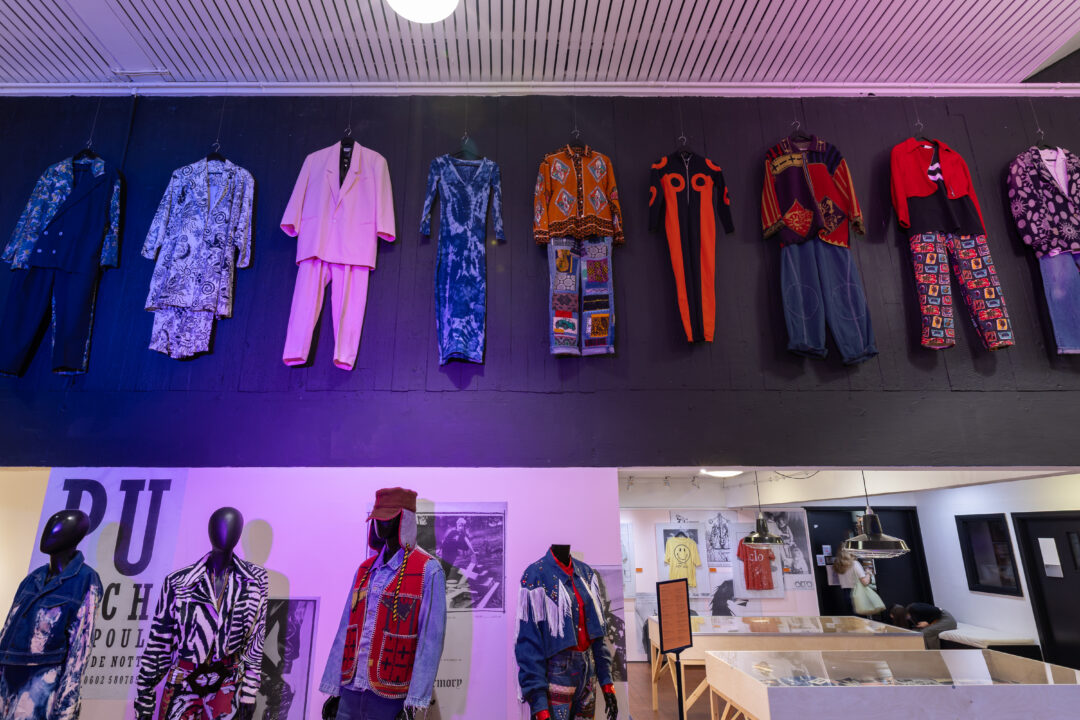
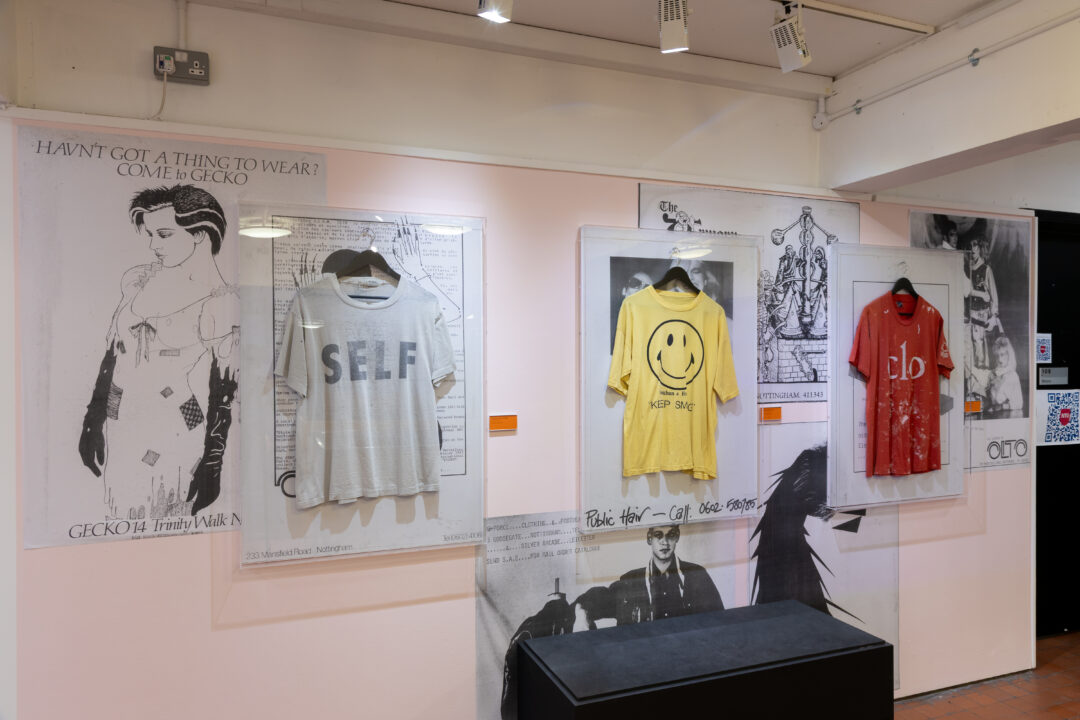
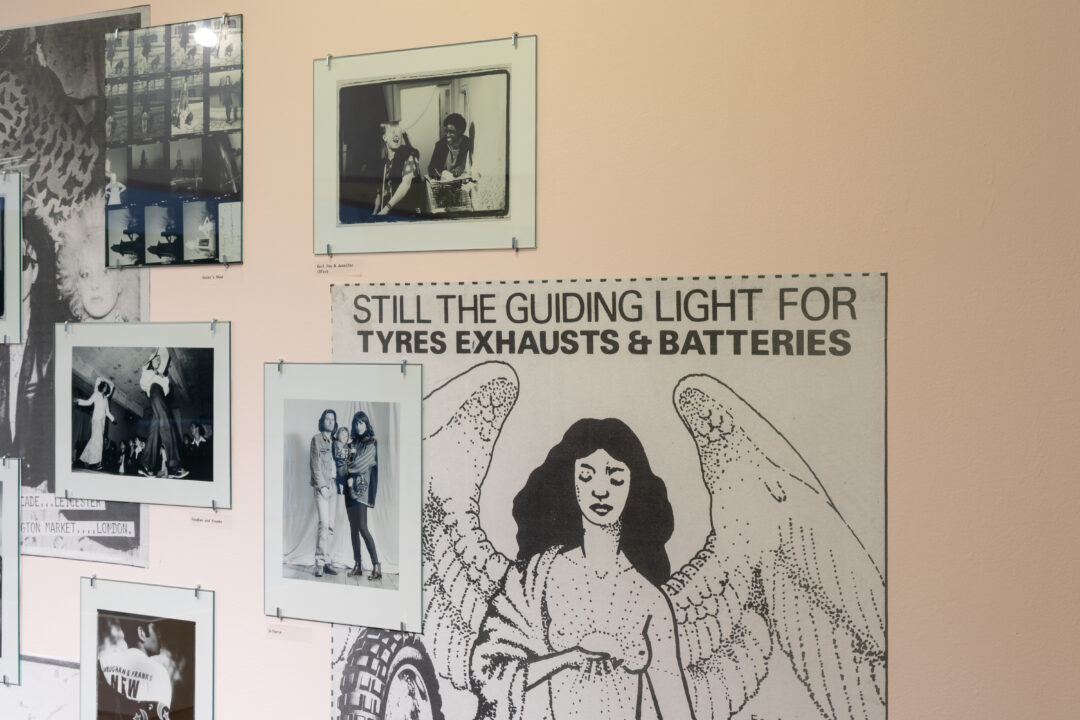
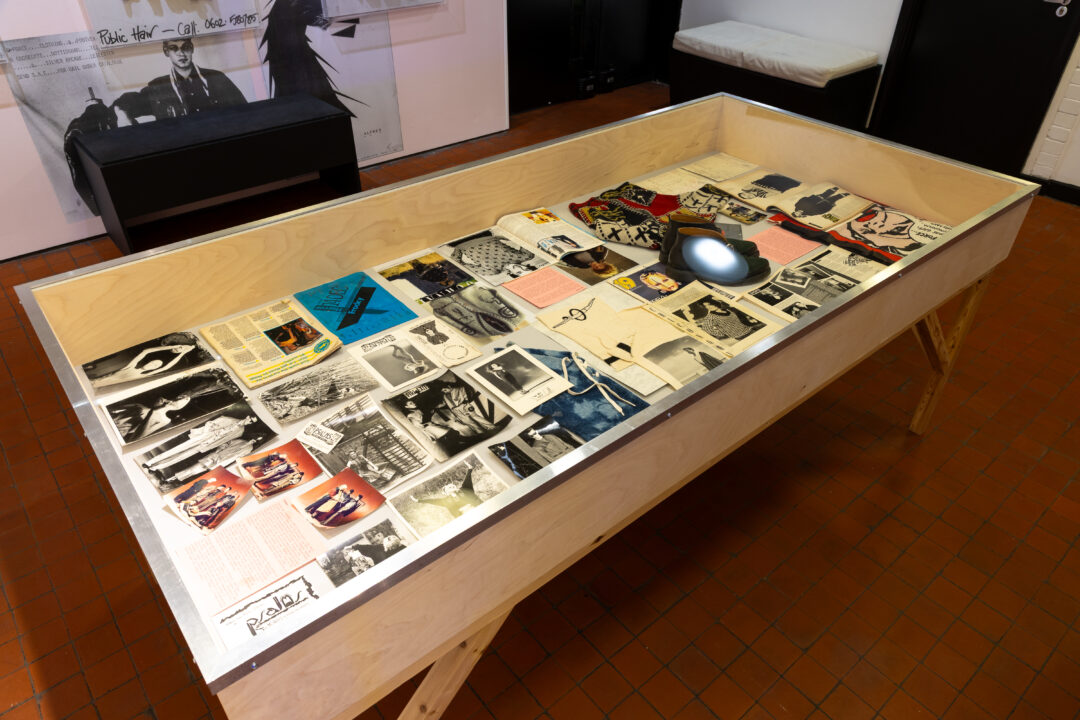
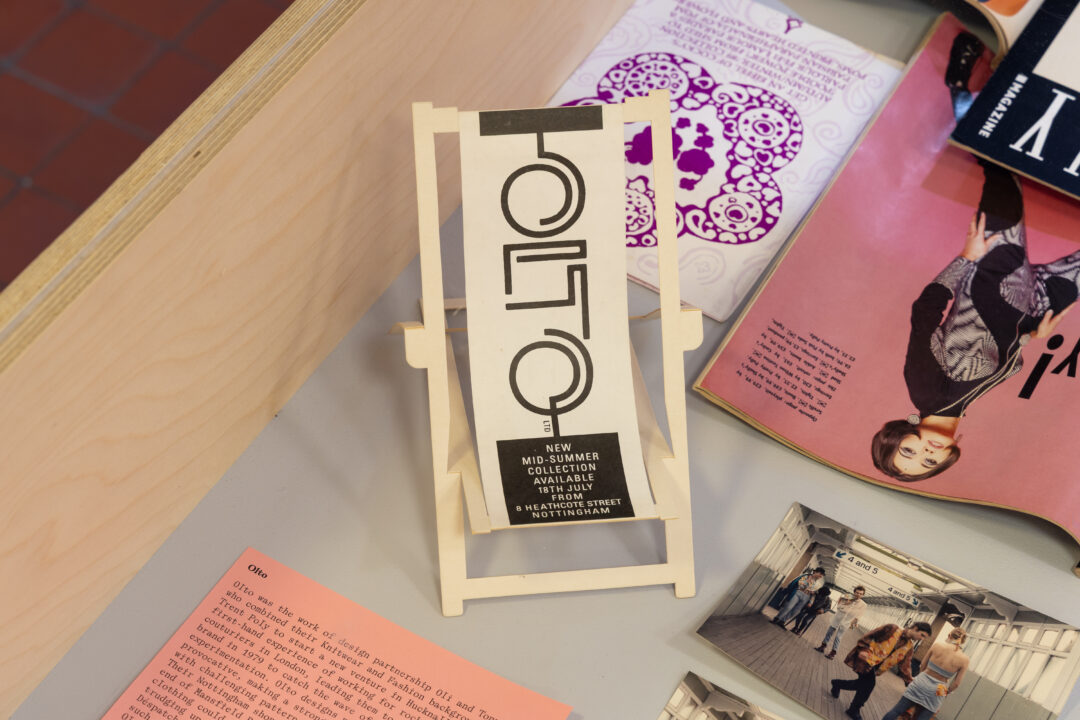
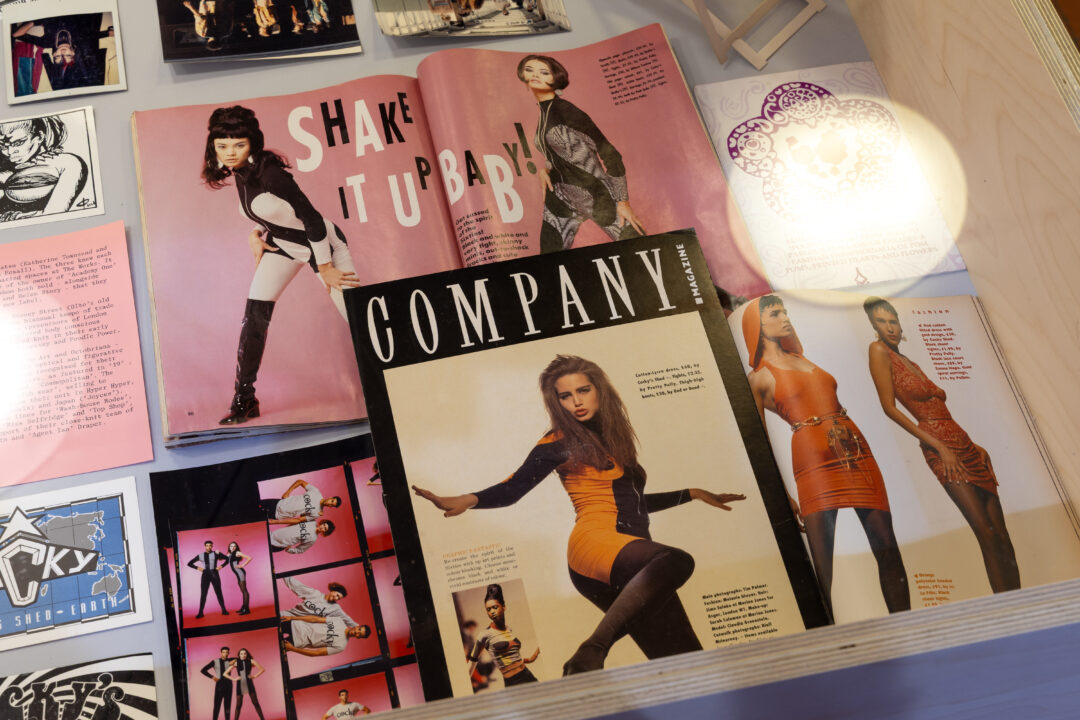
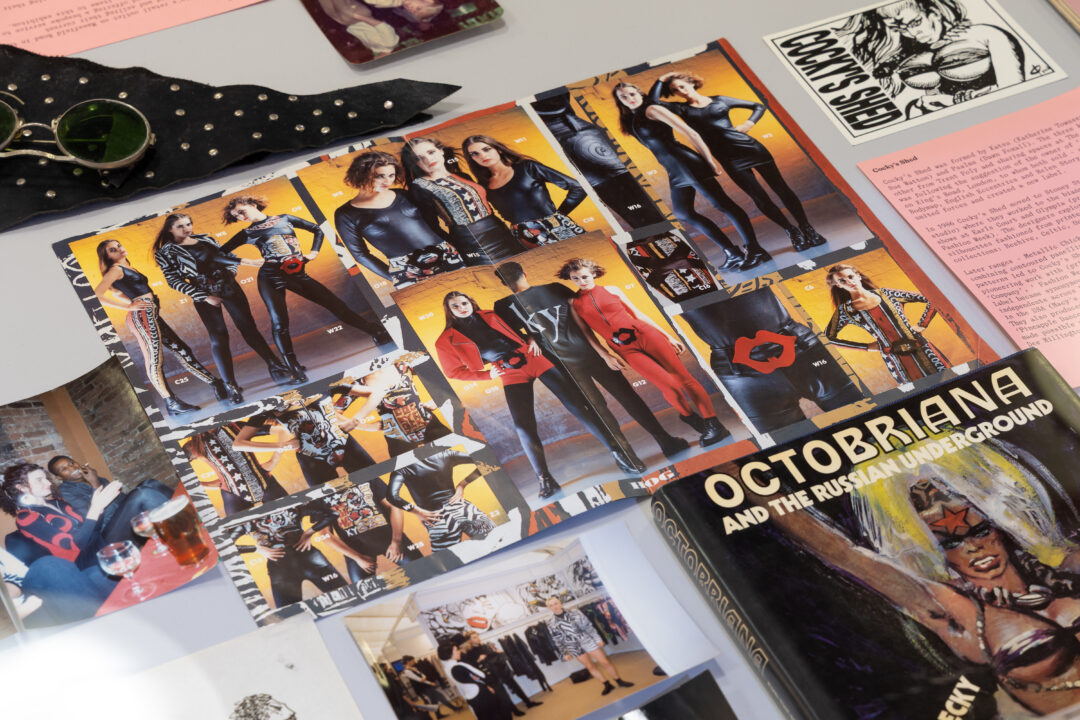
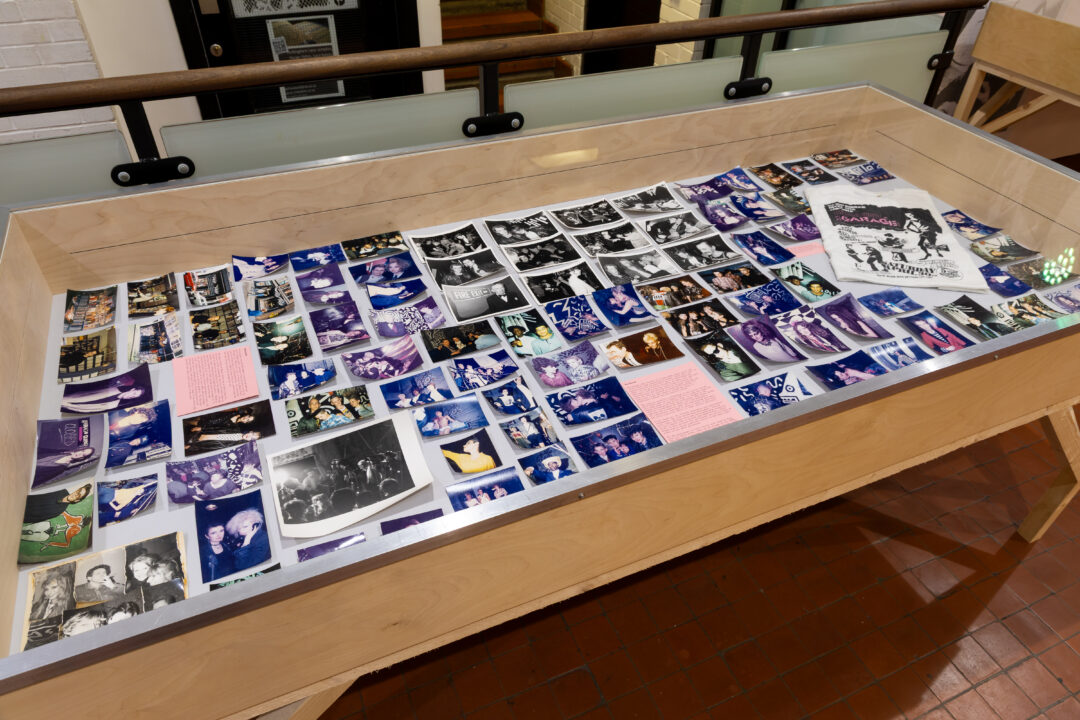
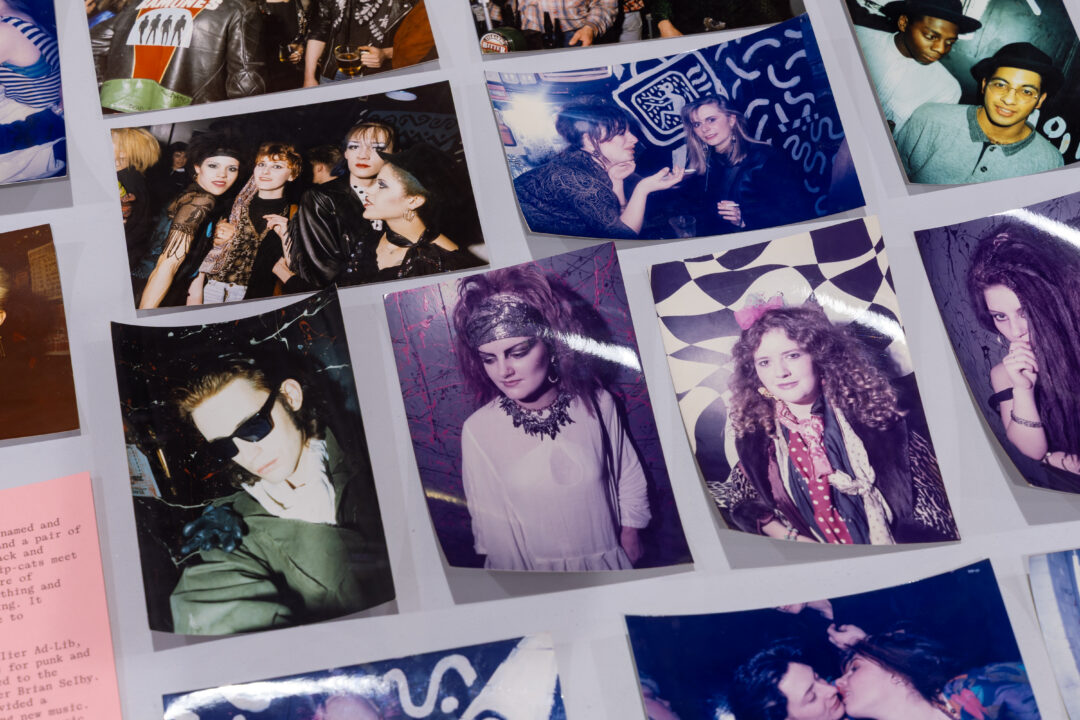
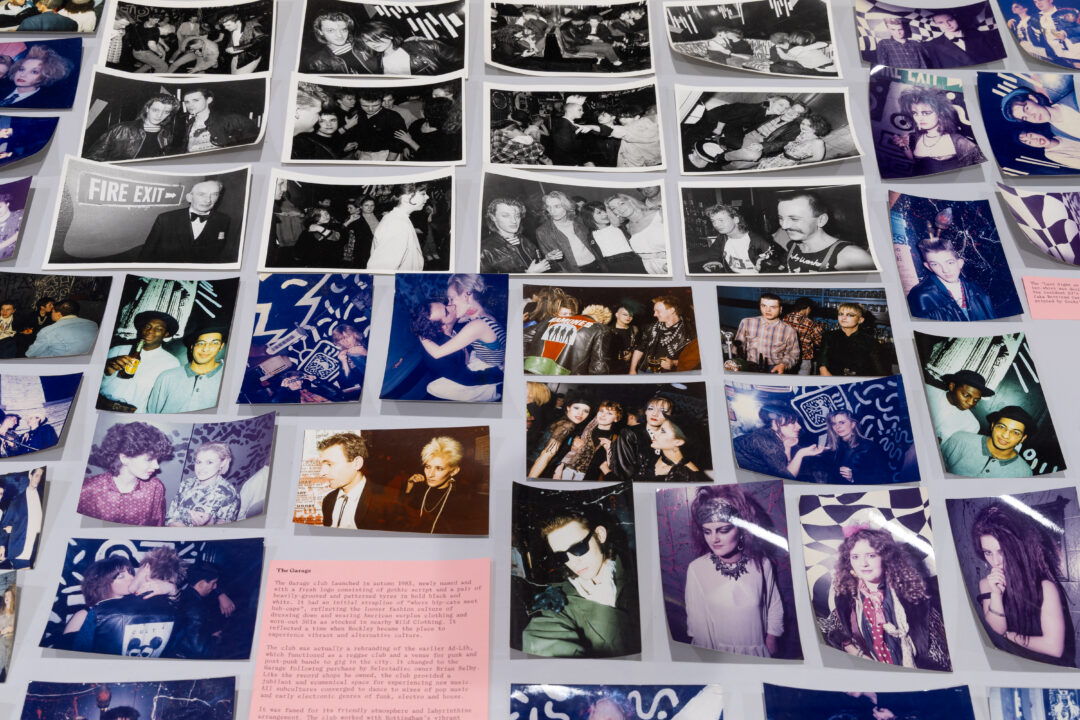
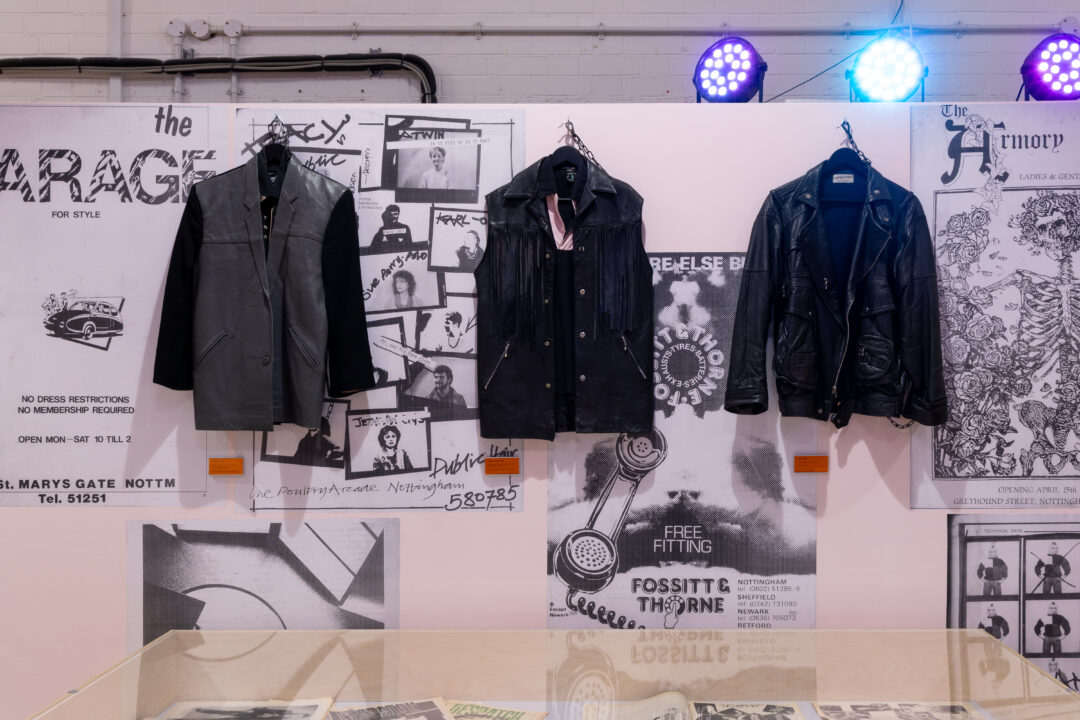
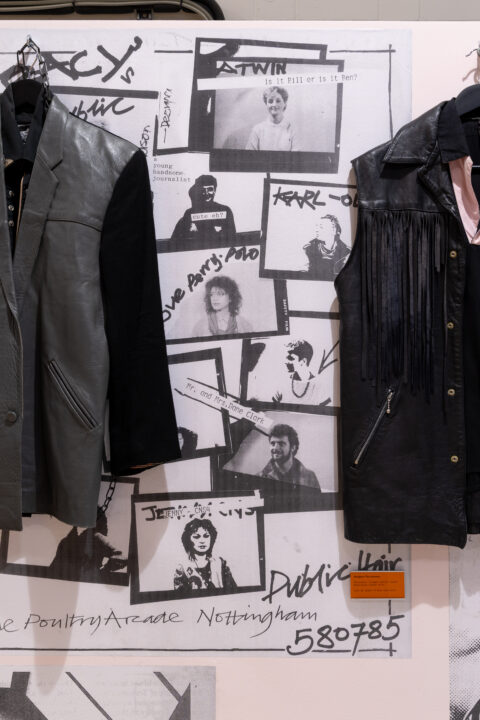
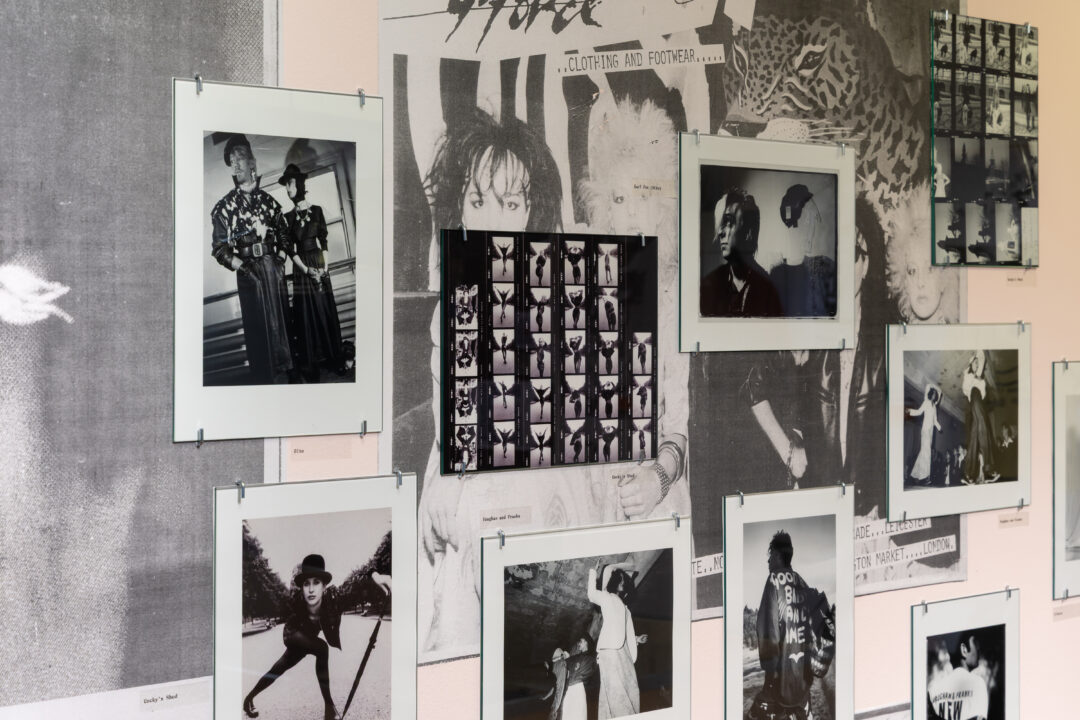
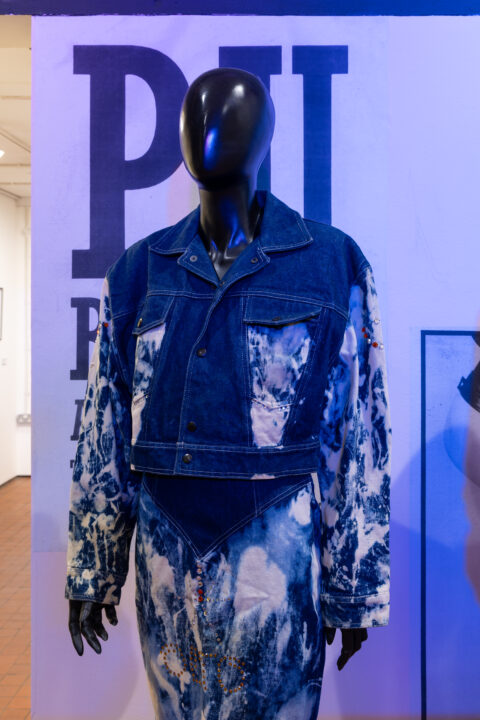
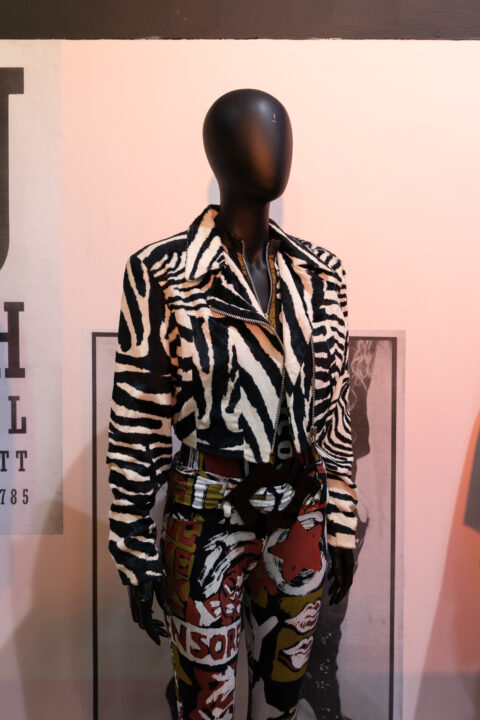
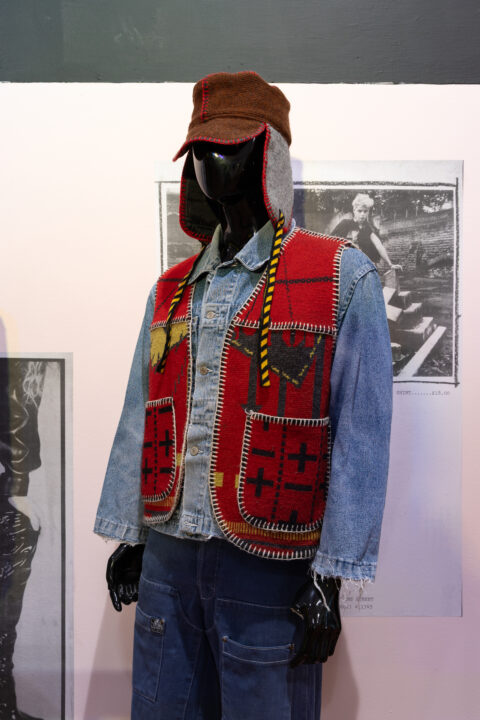
We are delighted to be dedicating the final Vitrines instalment of our 2024/25 season to archive material, information and clothing that documents the dynamism of the independent fashion scene of Nottingham in the 1980s.
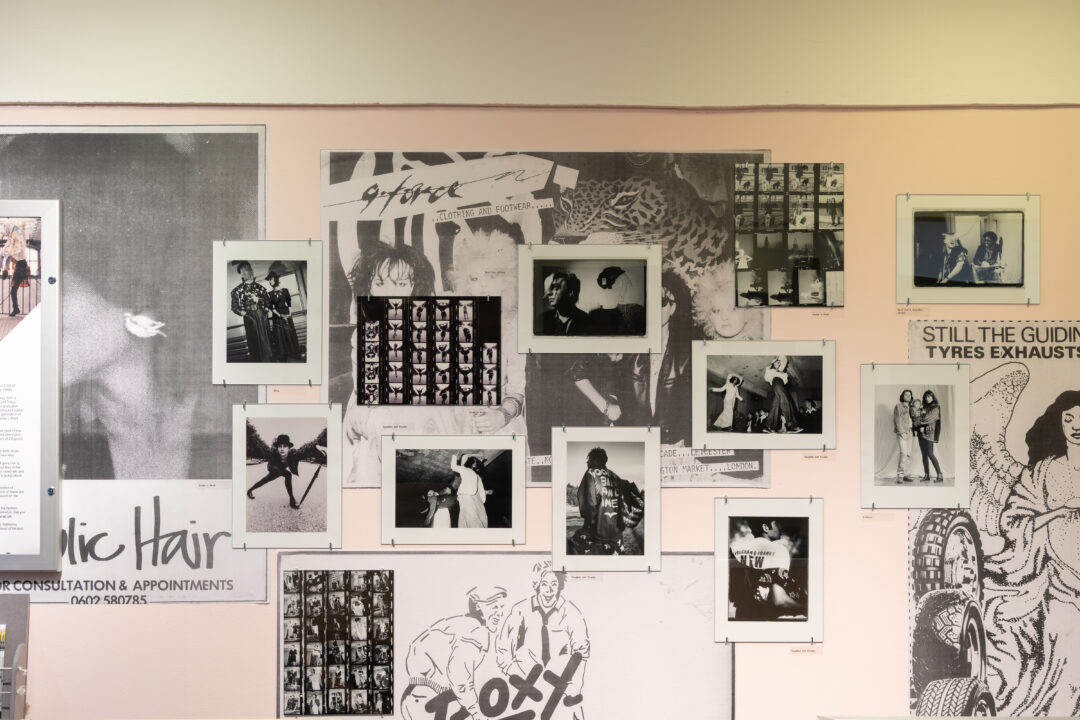
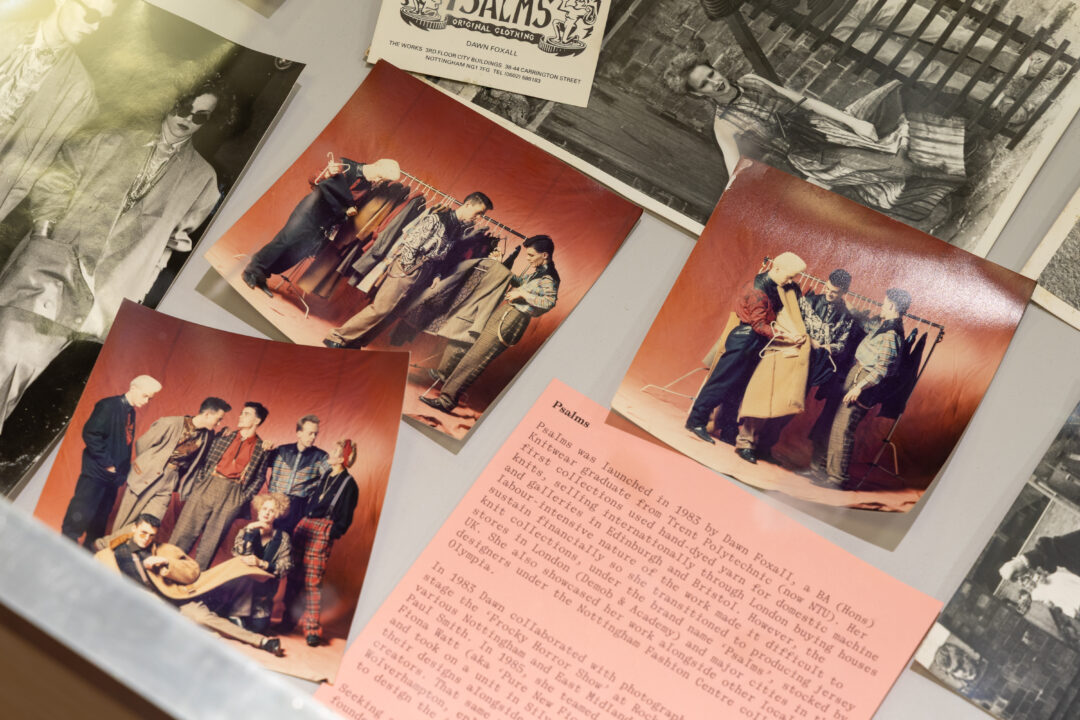
In the years following Beeston-born Sir Paul Smith’s ascendency from a 3x3m store on Byard Lane in 1974 – to bases in London, Paris and Tokyo – many local fashion brands were established, including several by graduates from ‘Trent Poly’, who bucked the moving-to-London trend by committing themselves to the city and starting a new generation of independent labels. Homegrown brands such as G Force, Olto, Vaughan & Franks, Katsu and Cocky’s Shed were a just a few…
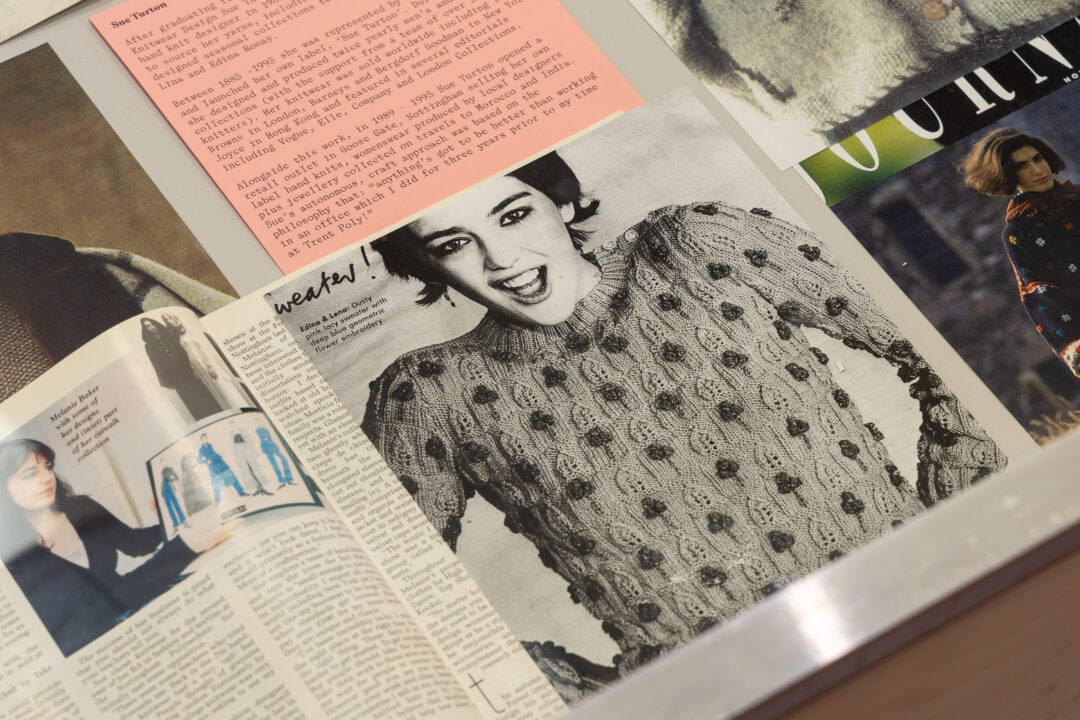
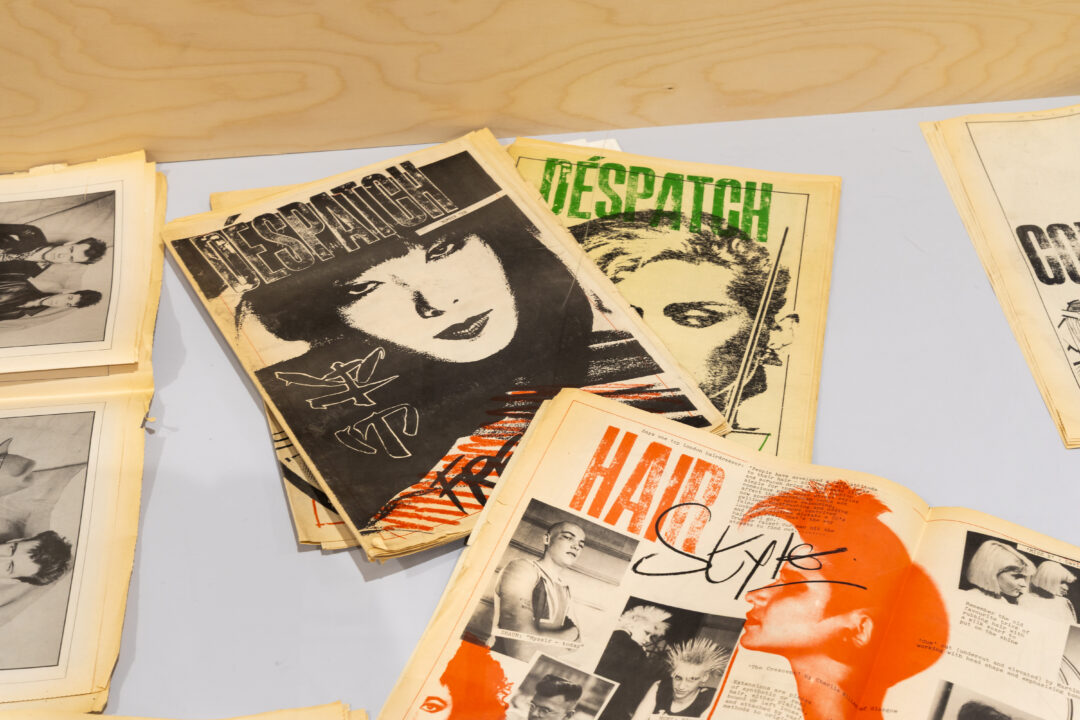
These brands combined talent, style discernment, DIY attitudes and cheap rents to start labels, open shops, and form global influence and connection. At one point the city even gained its own style pages in the form of Déspatch, Relay and Débris magazines, providing content as broad ranging as fashion editorial featuring local and international designers, montages of nights at The Garage, and signposting visitors to the shops and studios that were physically and ideologically a long way from the High Street.
The fashion scene that developed placed equal importance on both studio and social time, building a network of close-knit creatives who collaborated and supported one another. This community incapsulated many of the same qualities that gave rise to other significant, and perhaps more well-known cultural communities such as the city’s music, cinema and contemporary art scenes.
The aim of this presentation is to celebrate and help establish a legacy for this important period within the city’s [sub]cultural history. An open call for materials will run in the lead-up and during the exhibition, allowing anyone to submit related materials that will join the exhibition and evolving noticeboard.
Accompanying the exhibition is a suite of specially commissioned essays by independent scholar Ian Trowell. Ian has also provided curatorial consultancy and research to this project, having interviewed several of the key protagonists of that era. Ian writes on subjects including UK subcultures, music, fashion, popular culture, art and media. His book Throbbing Gristle: An Endless Discontent was published by Intellect Books in 2023.
This exhibition has been co-curated with Dr Katherine Townsend, a researcher, educator, practitioner and Professor in Fashion and Textile Practice in the Fashion, Textiles and Knitwear department in the School of Art and Design at Nottingham Trent University.

Ian Trowell’s essays
Press
Image: ‘Clockwork Orange’ collection by Olto (now One-BC). Photo by Paul Edmondson, circa 1984.
Join us for the launch of our final exhibition of the academic year, exploring tabletop roleplaying games (TTRPGs).
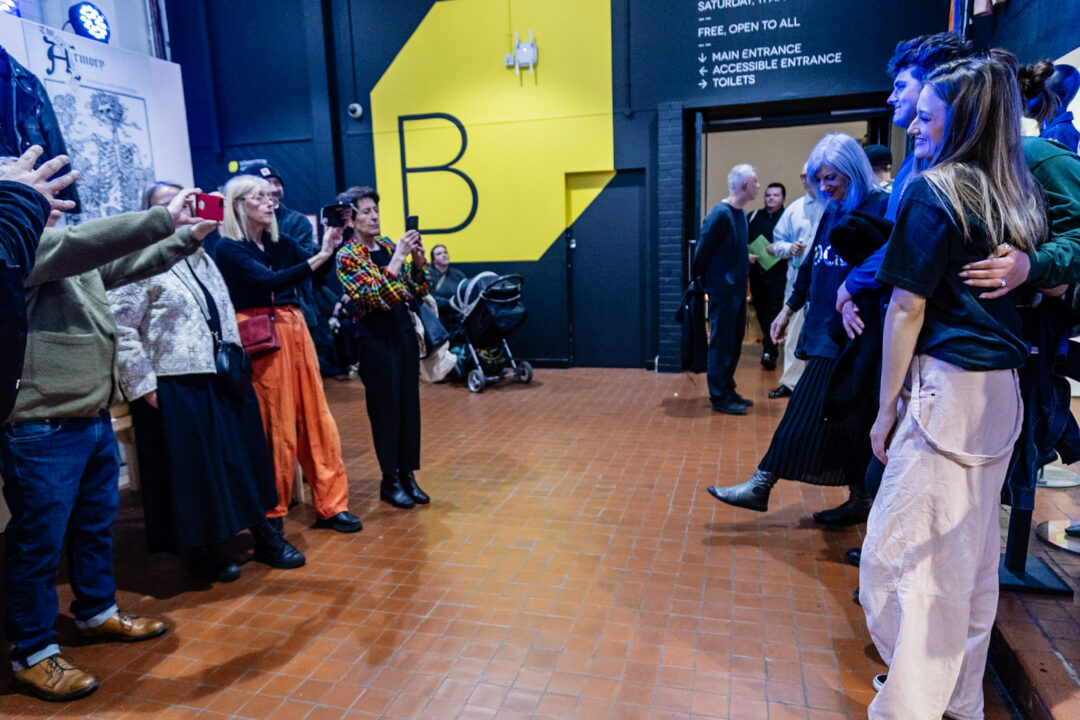
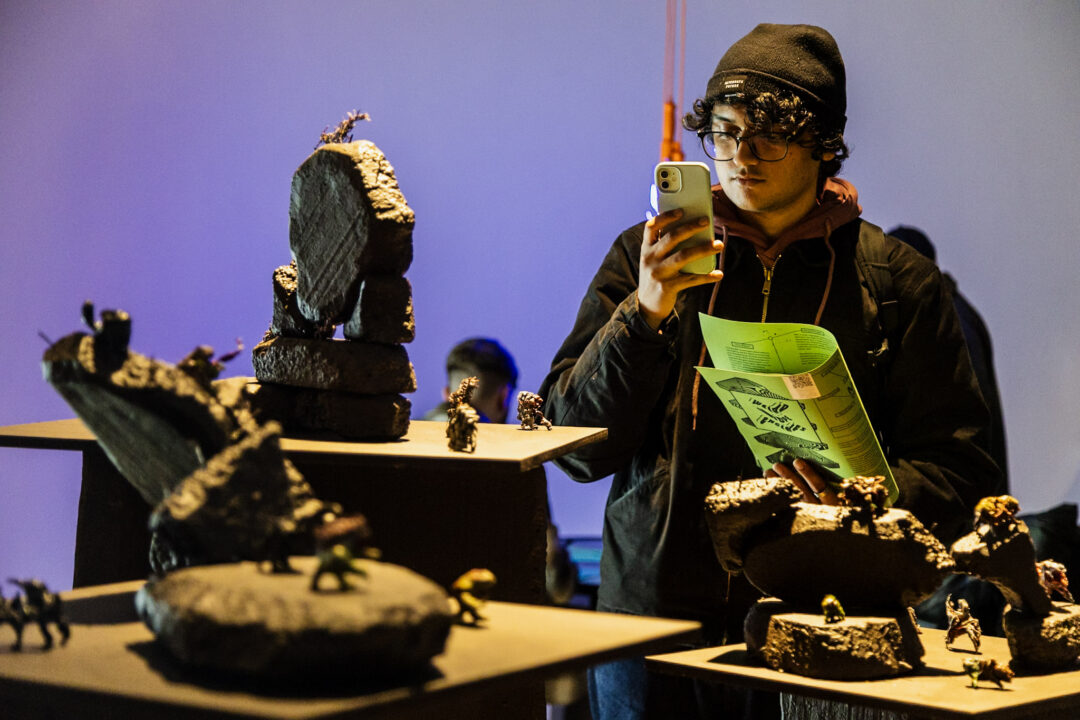
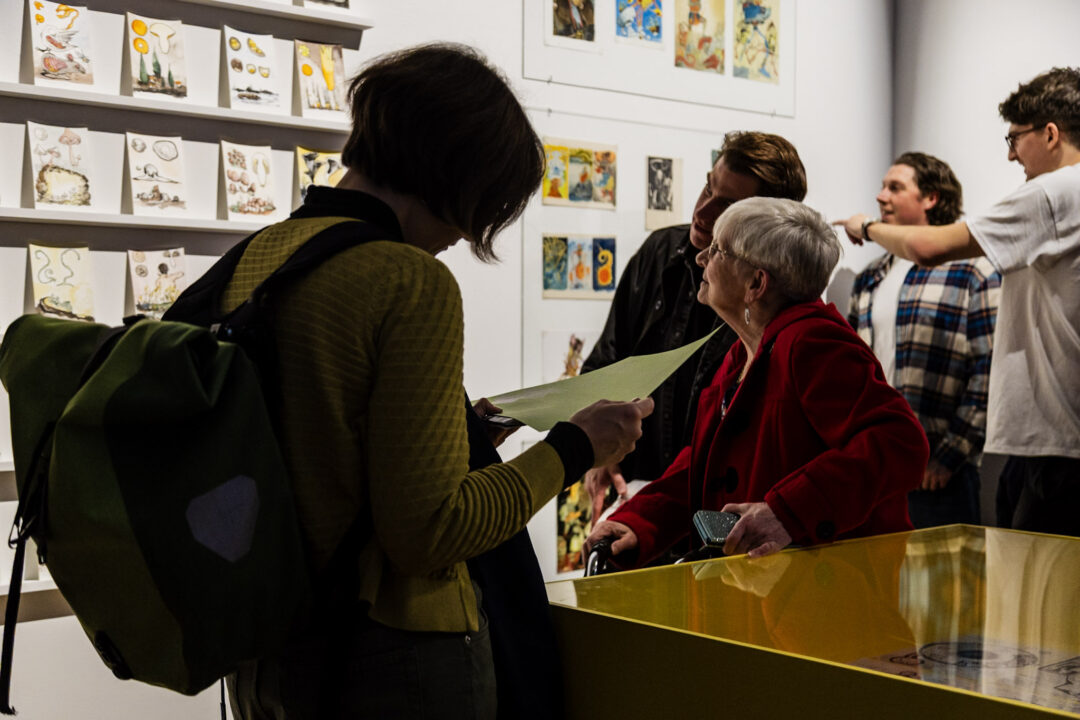
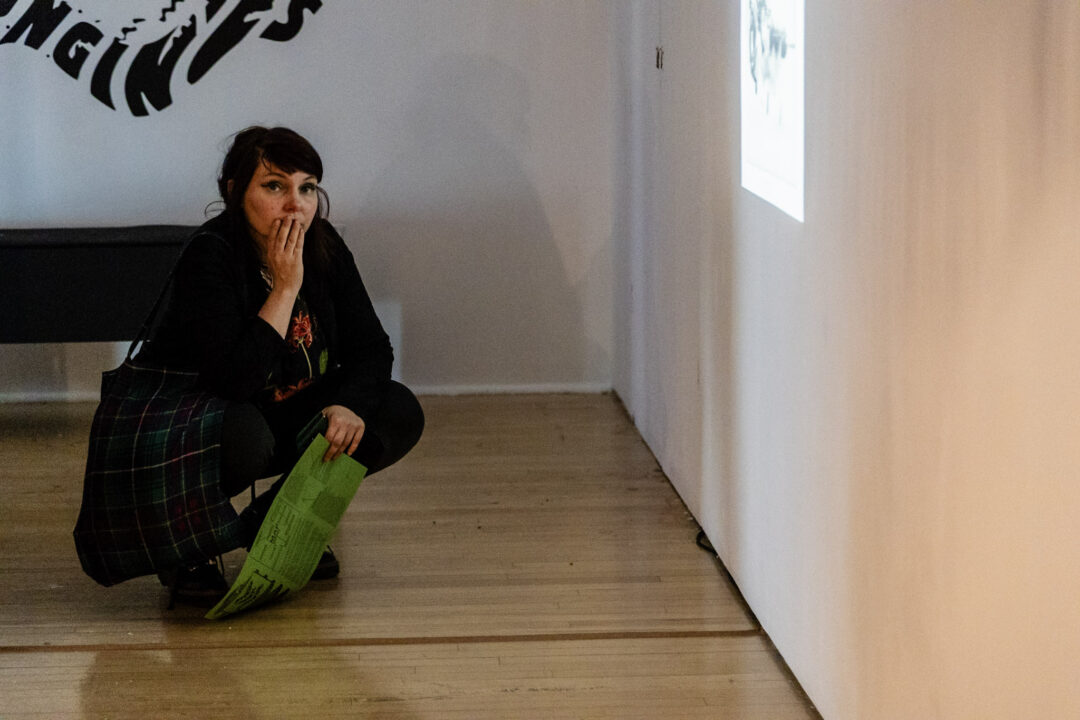
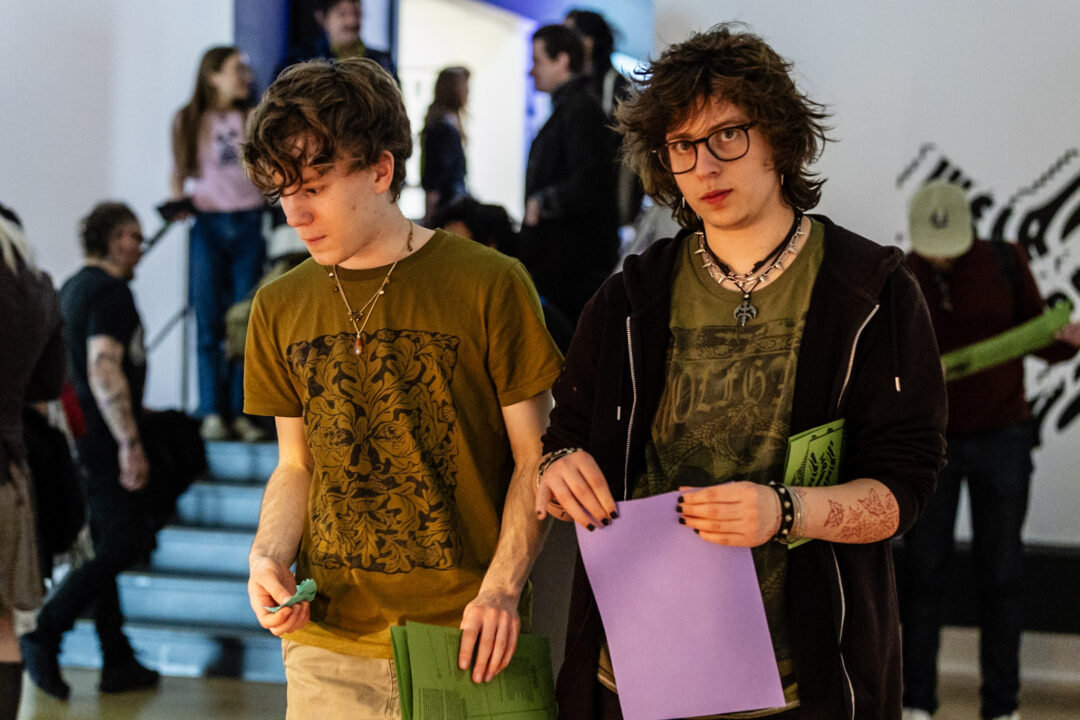
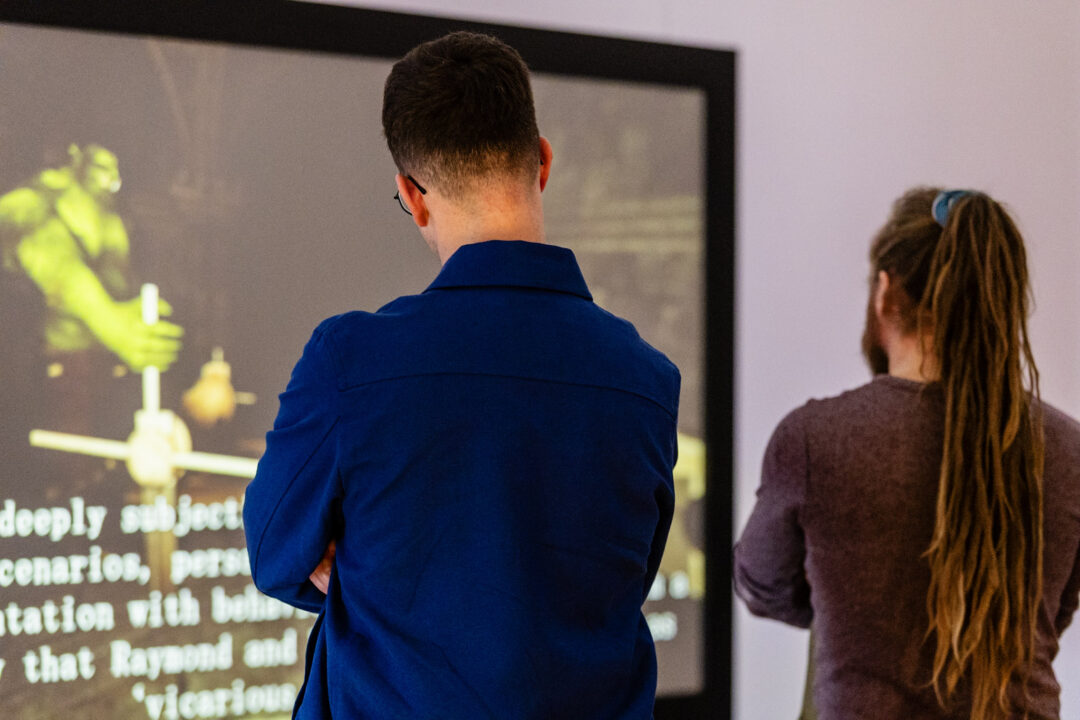
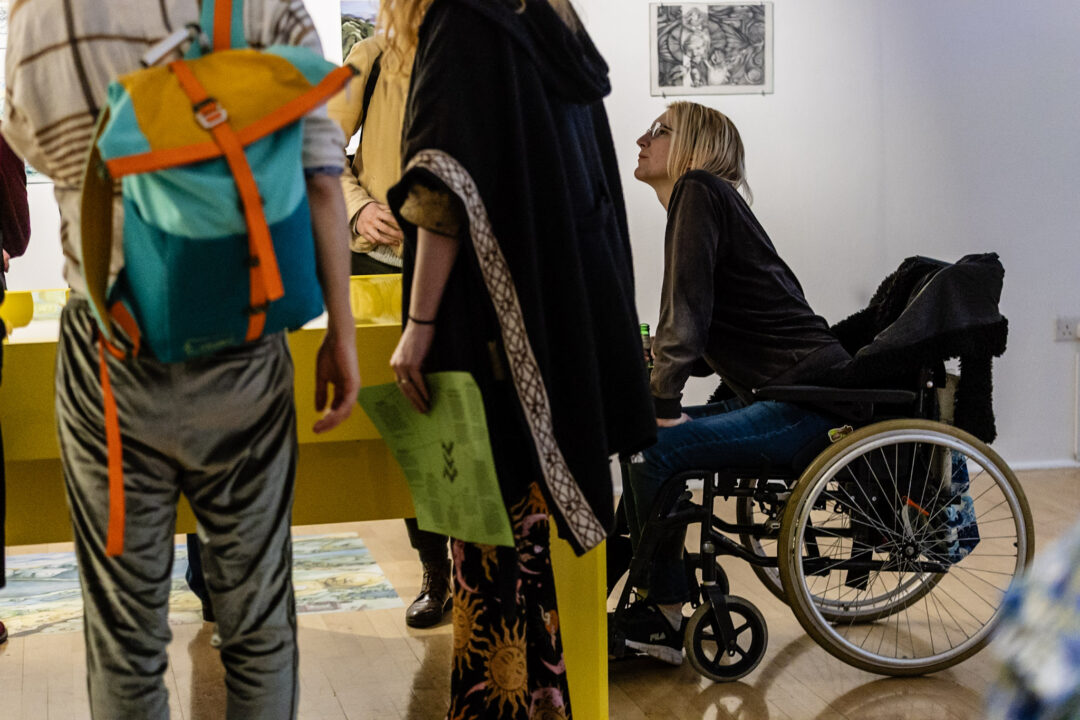
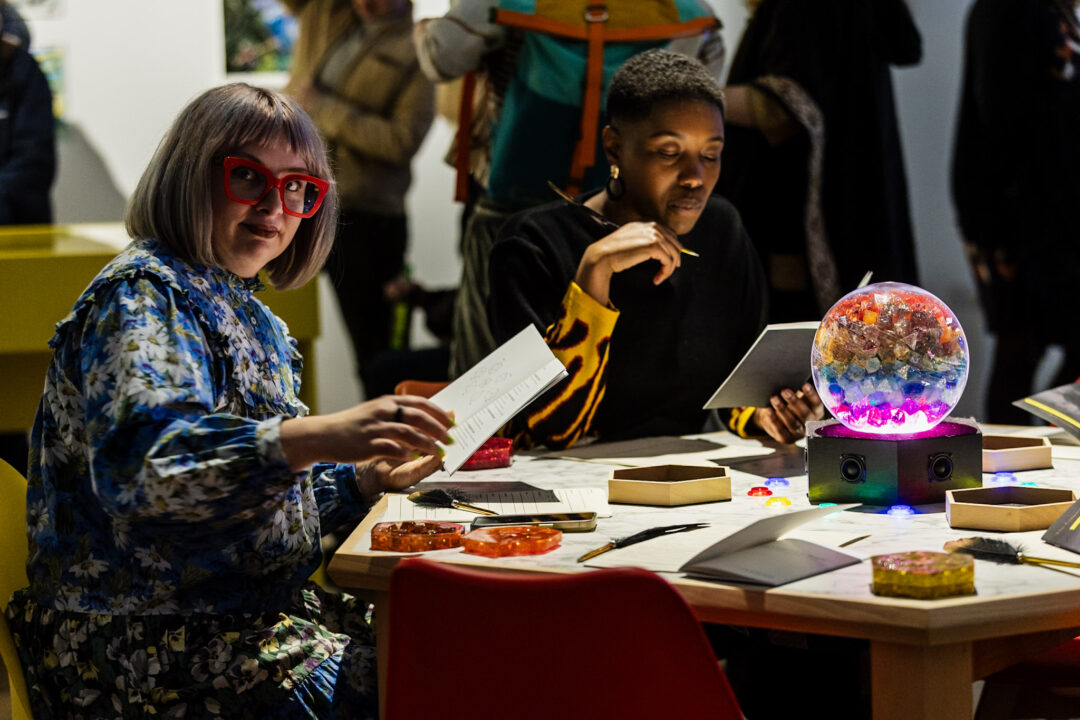
We were delighted to host experimental exhibition Weird Hope Engines, at this first opportunity to come along for a first look around. Attendees enjoyed a free welcome drink, delicious food and music.
The first exhibition of its kind, this exhibition highlights the practices of innovative designers, artists, and writers in the field of independent game design, and brings their work into dialogue with fellow-travellers in the field of critical art practice.
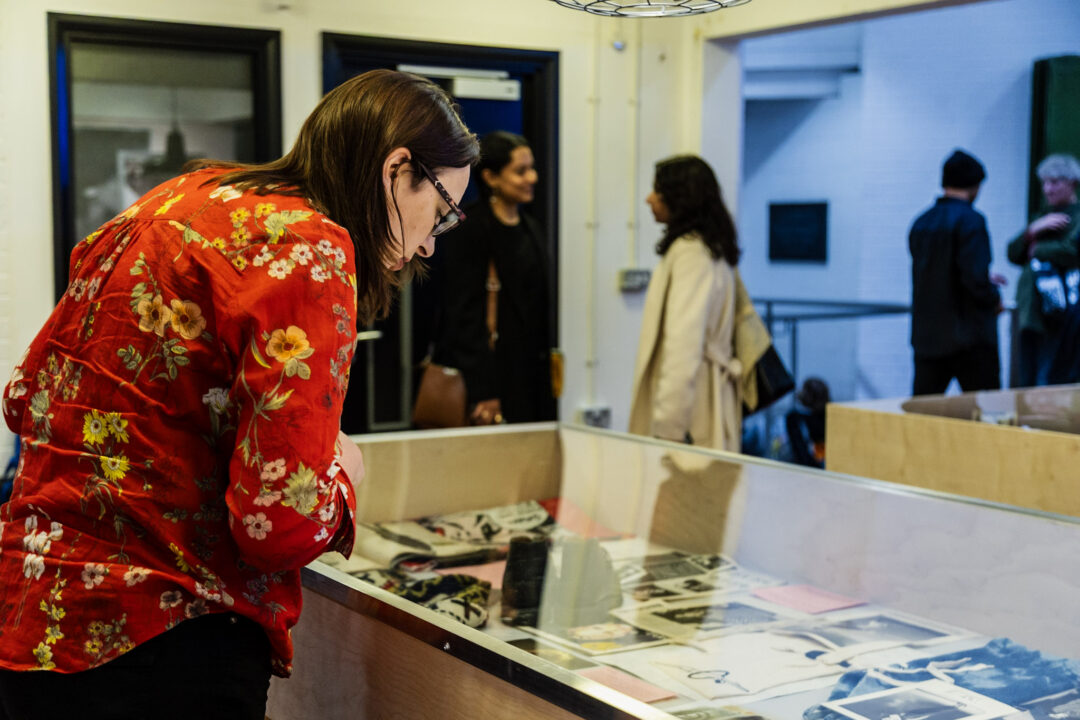
We dedicate the final Vitrines instalment of our 2024/25 season – Nottingham Subcultural Fashion in the 1980s – to archive material, information and clothing that documents the dynamism of the independent fashion scene of Nottingham in the 1980s.
All welcome but reserve your free ticket to avoid disappointment.
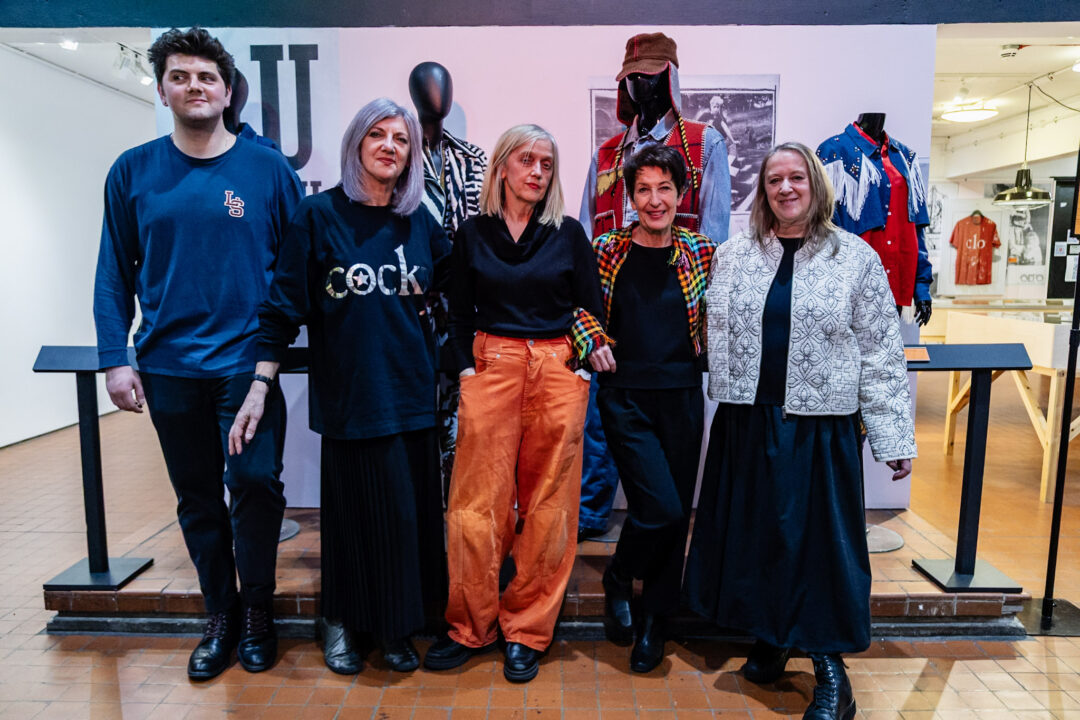
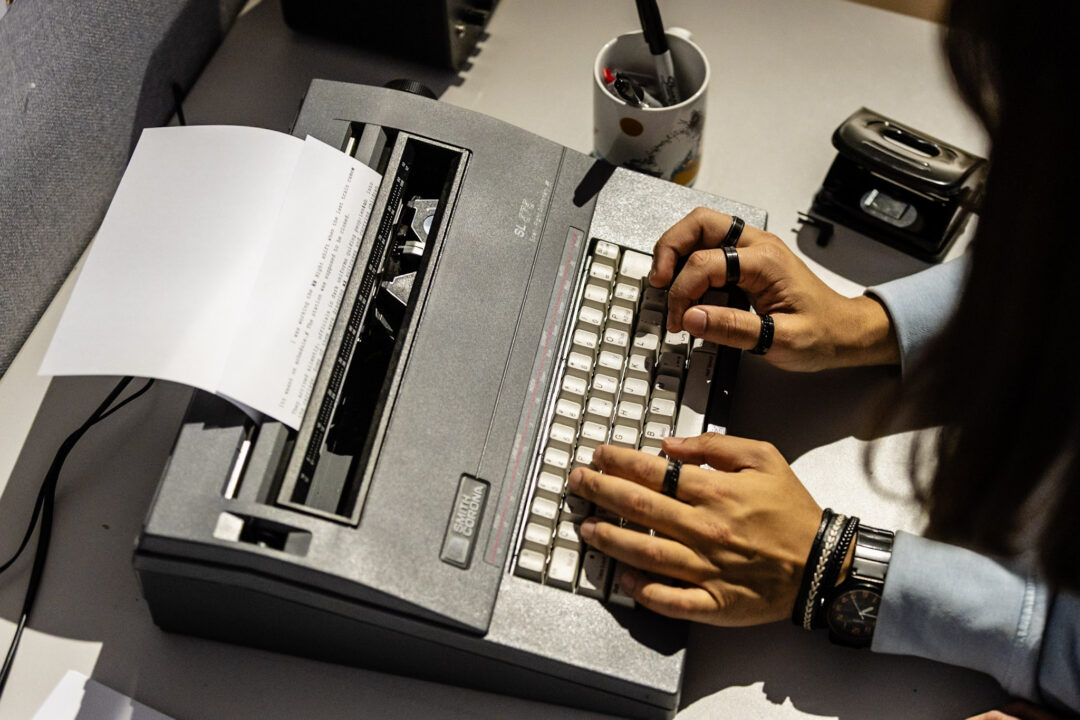
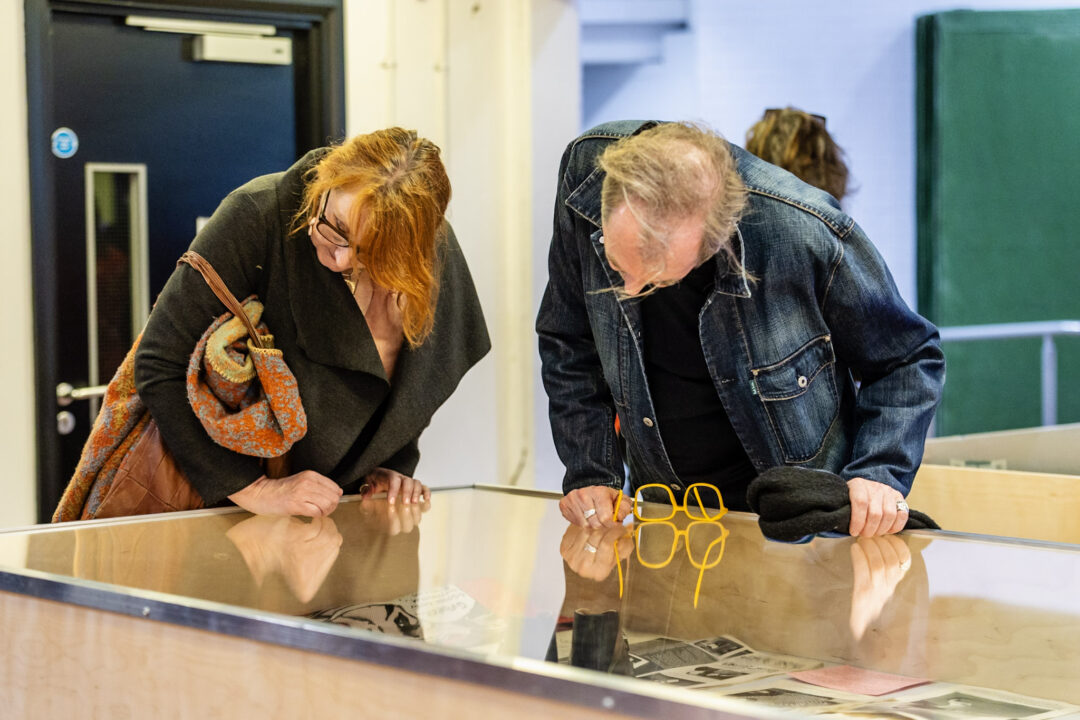
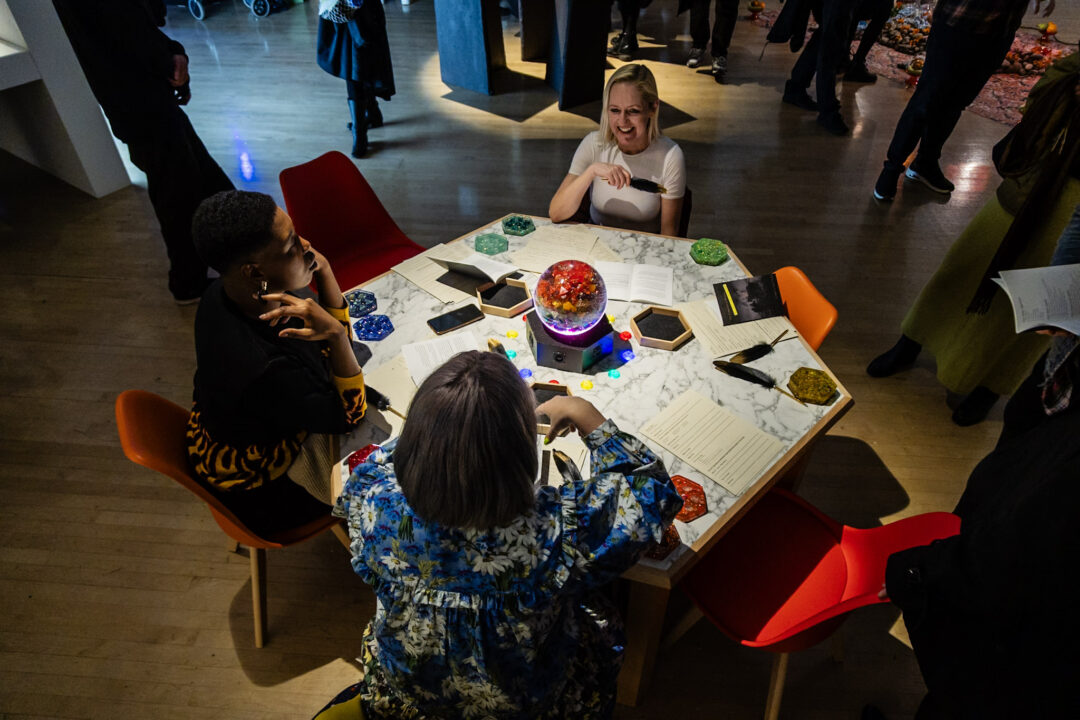
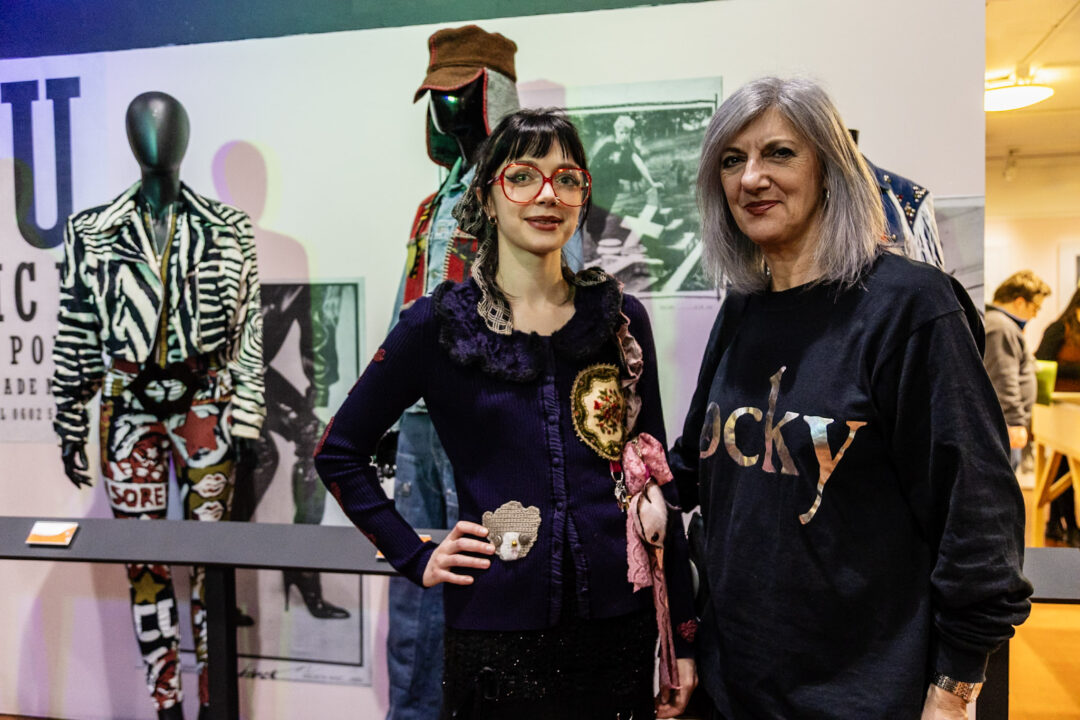
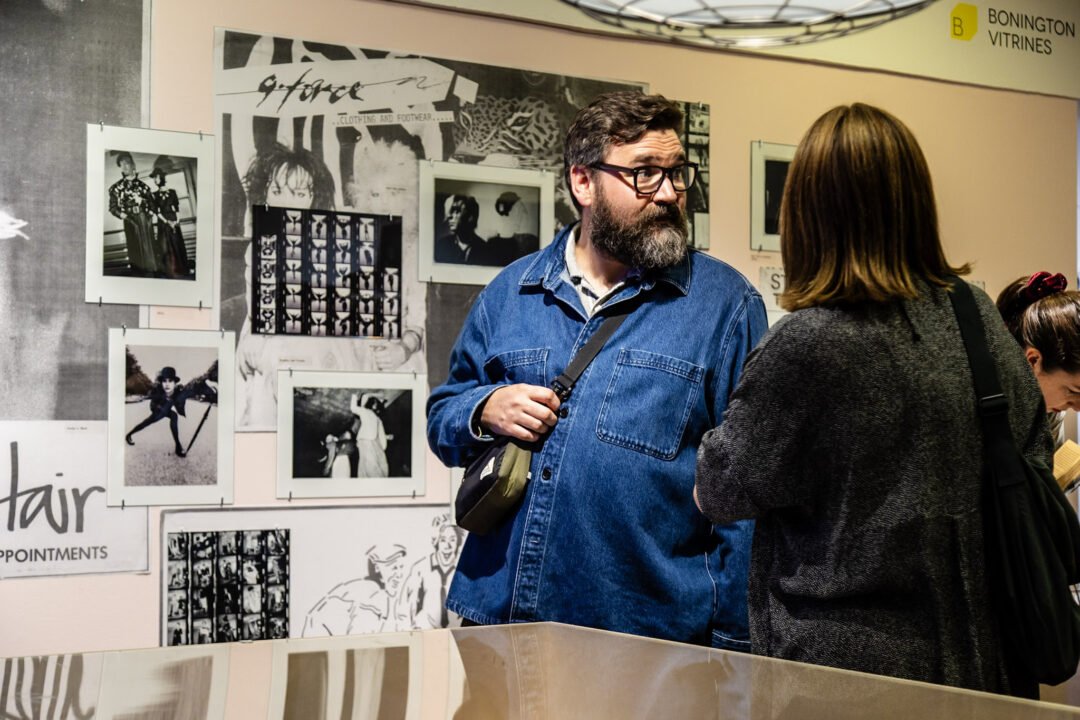
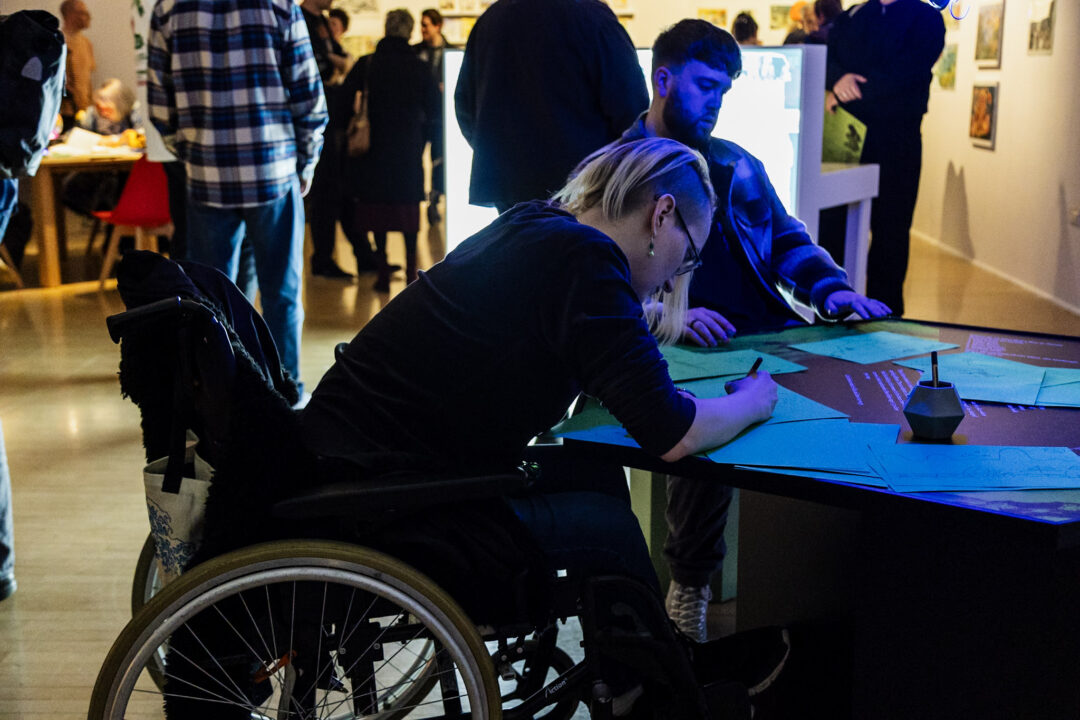
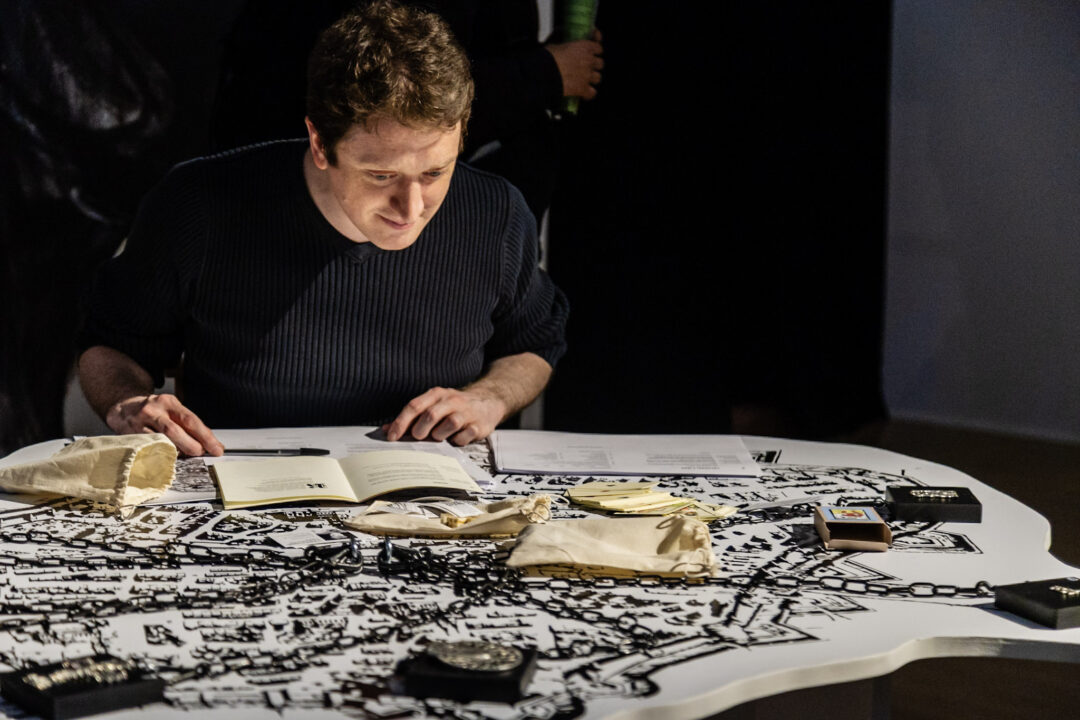
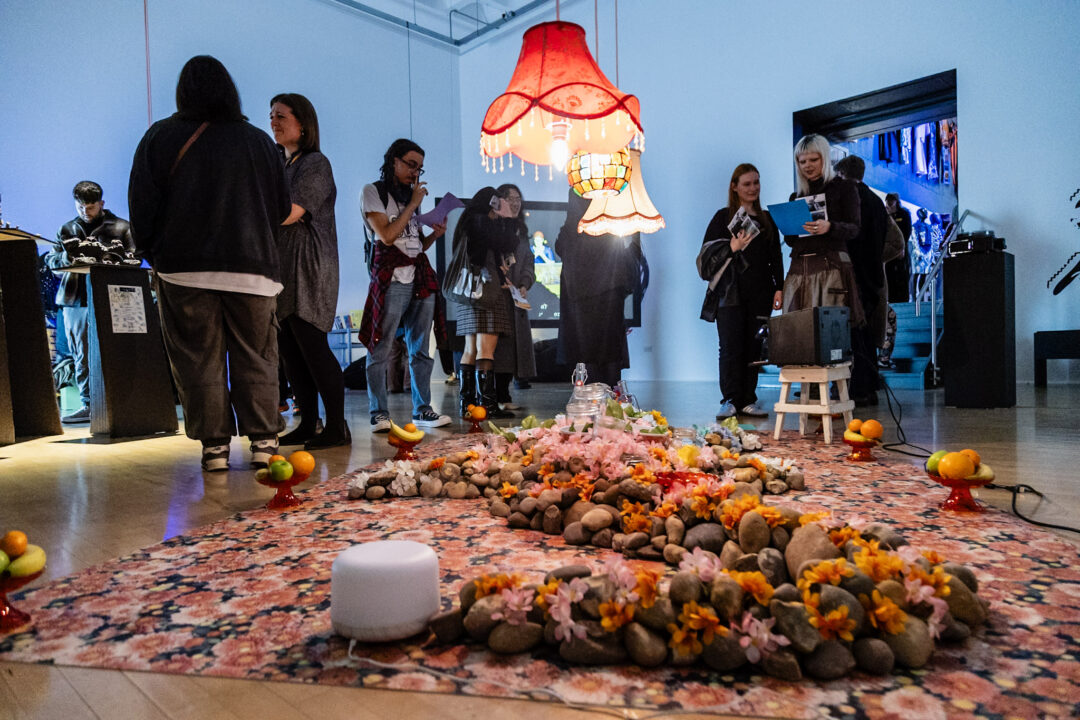
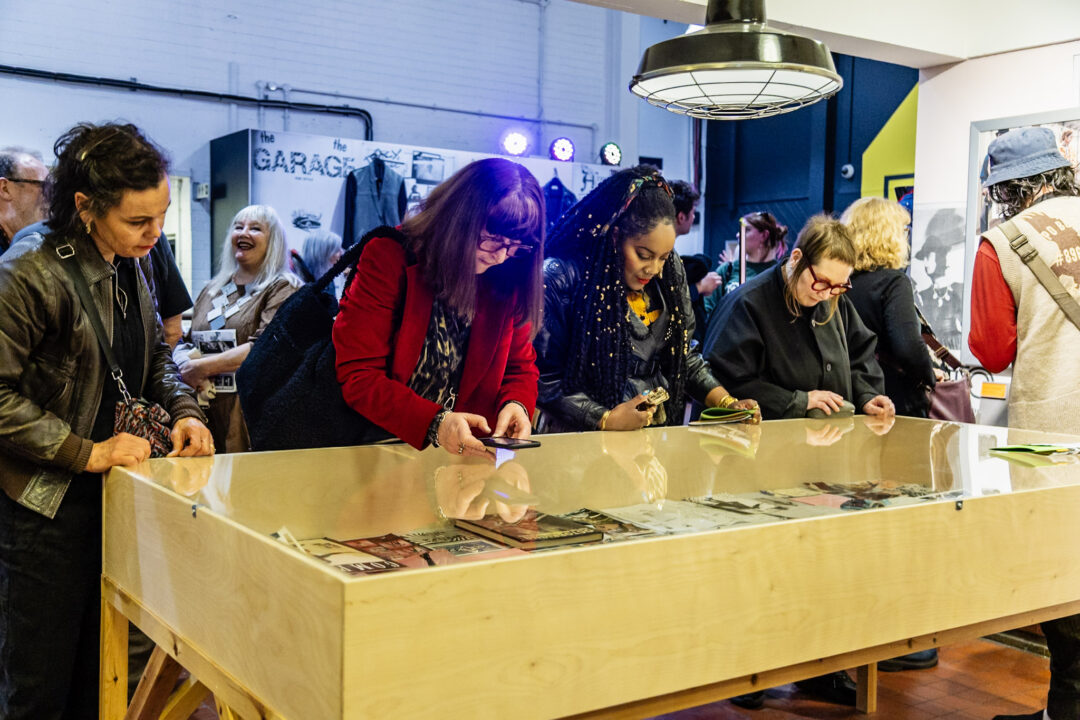
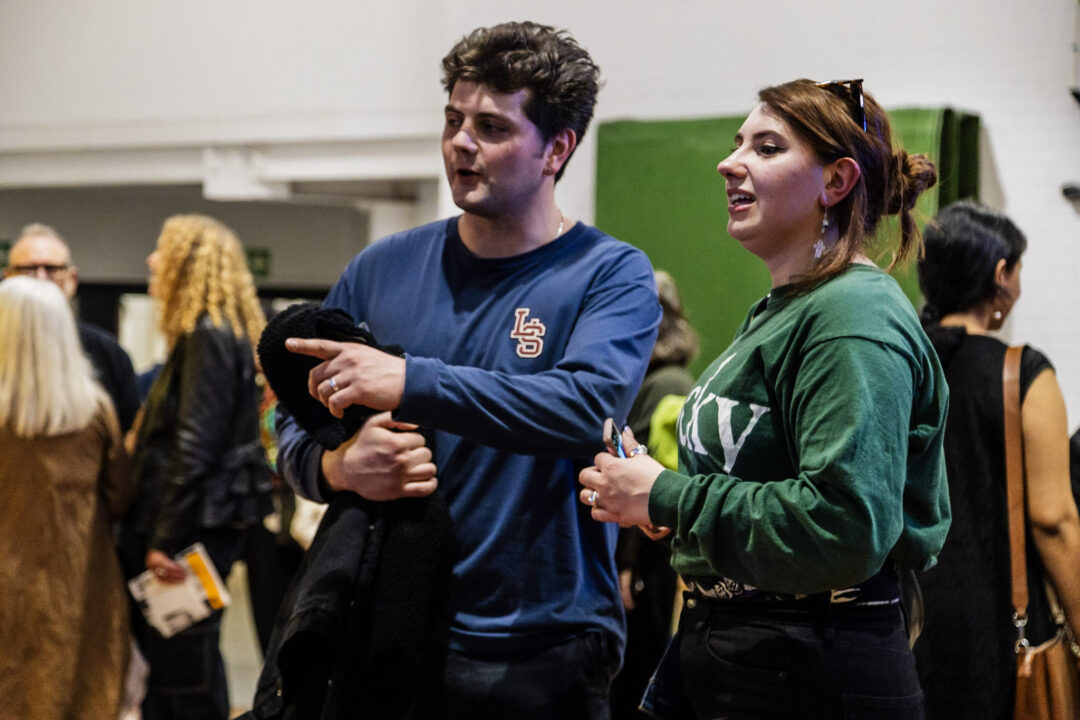
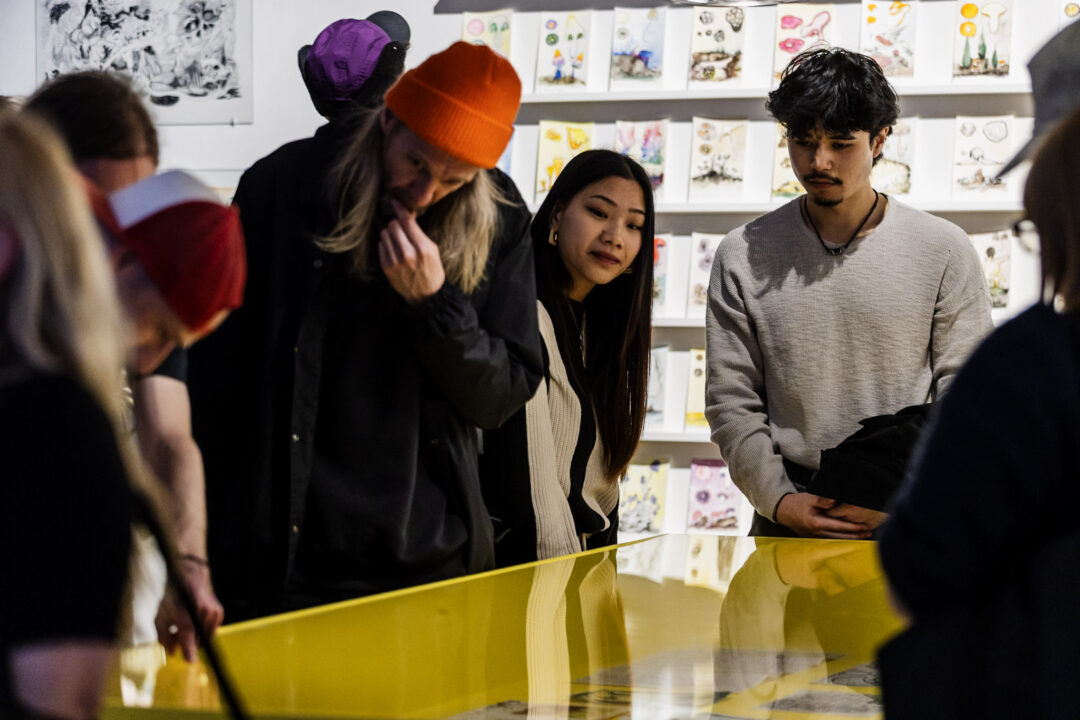
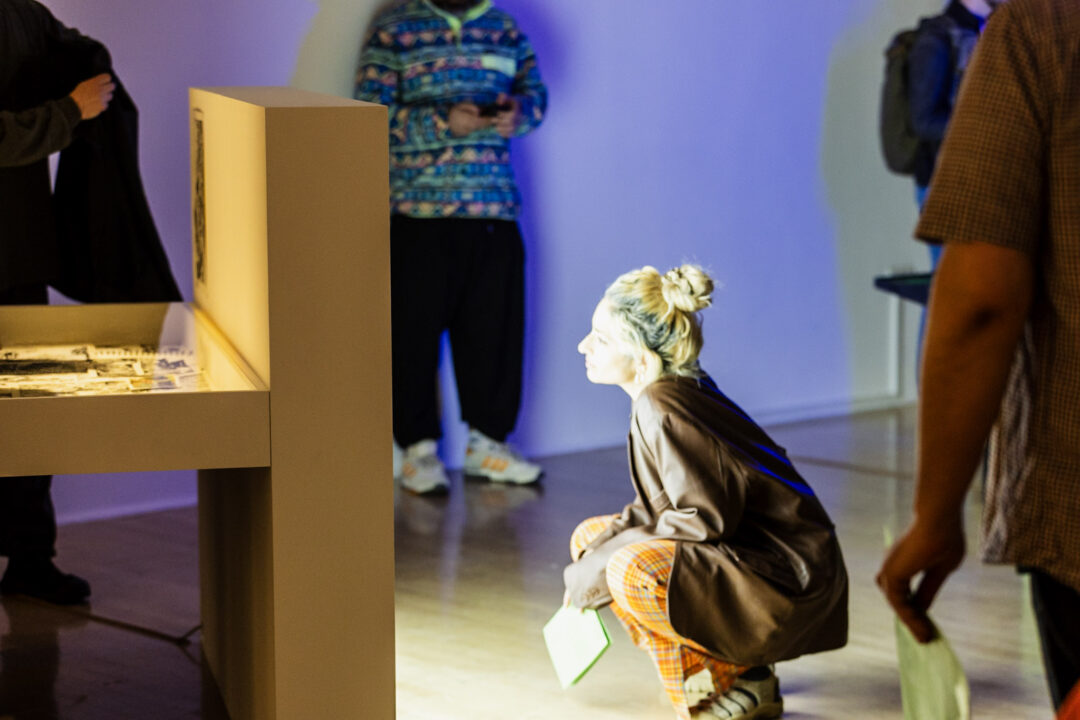
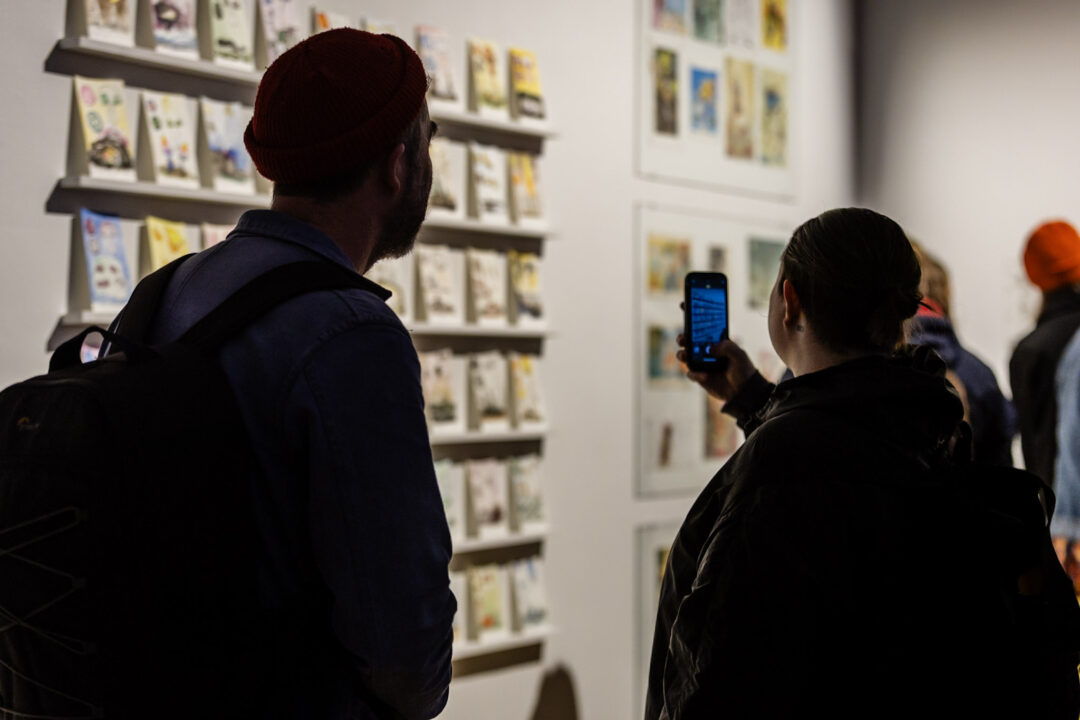
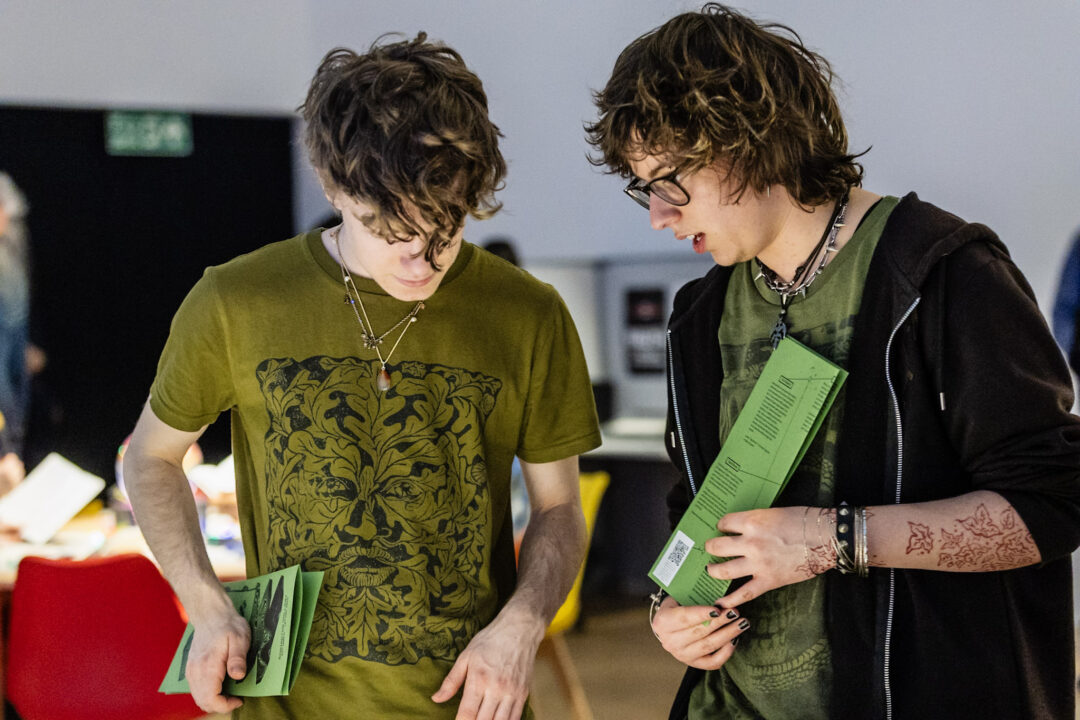
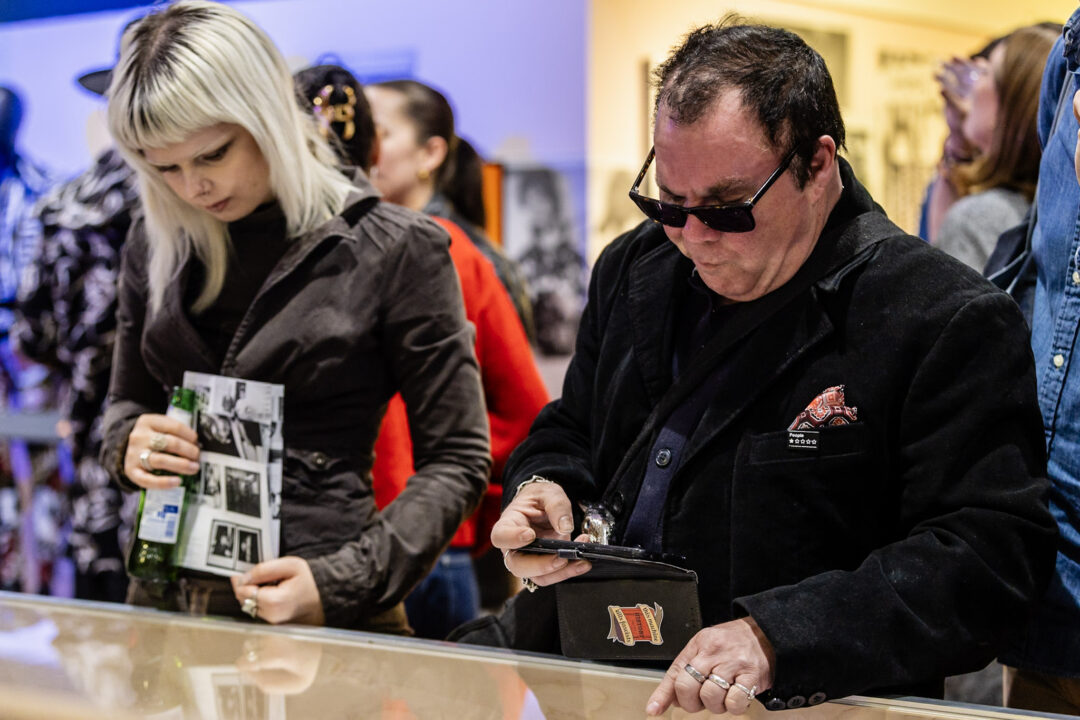
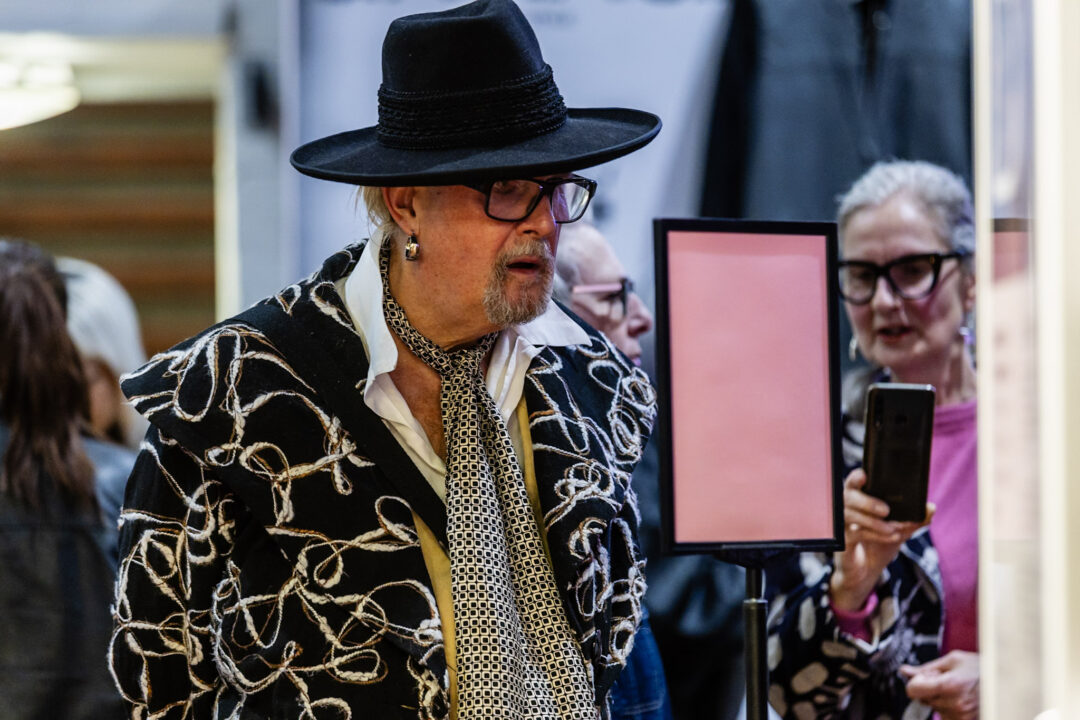
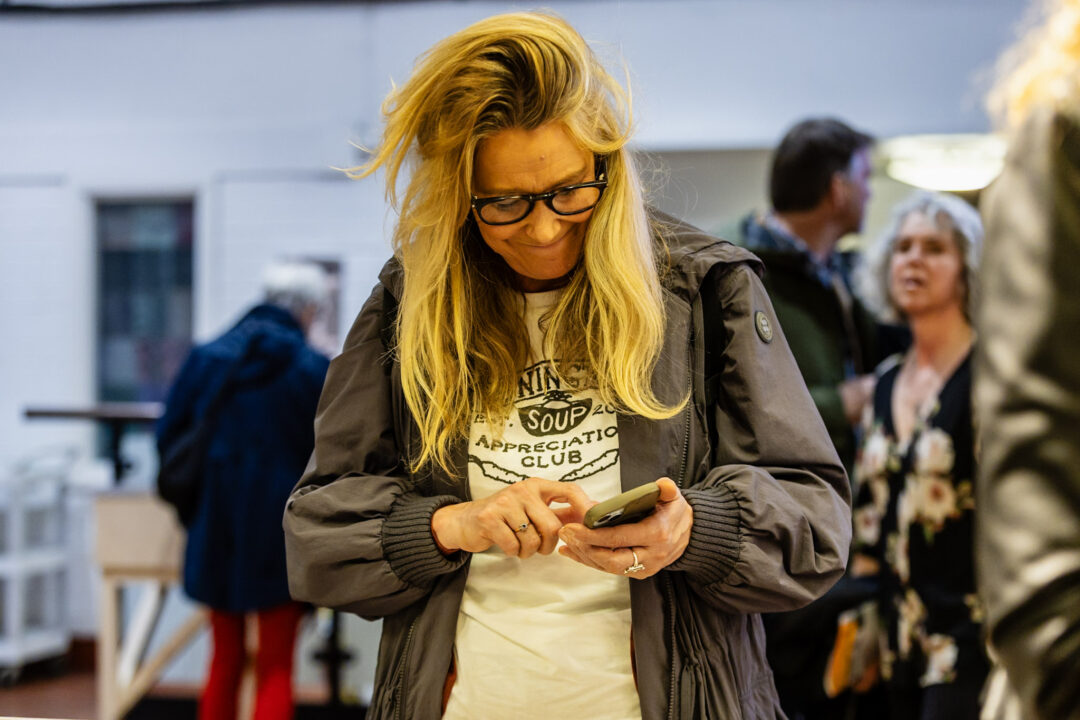
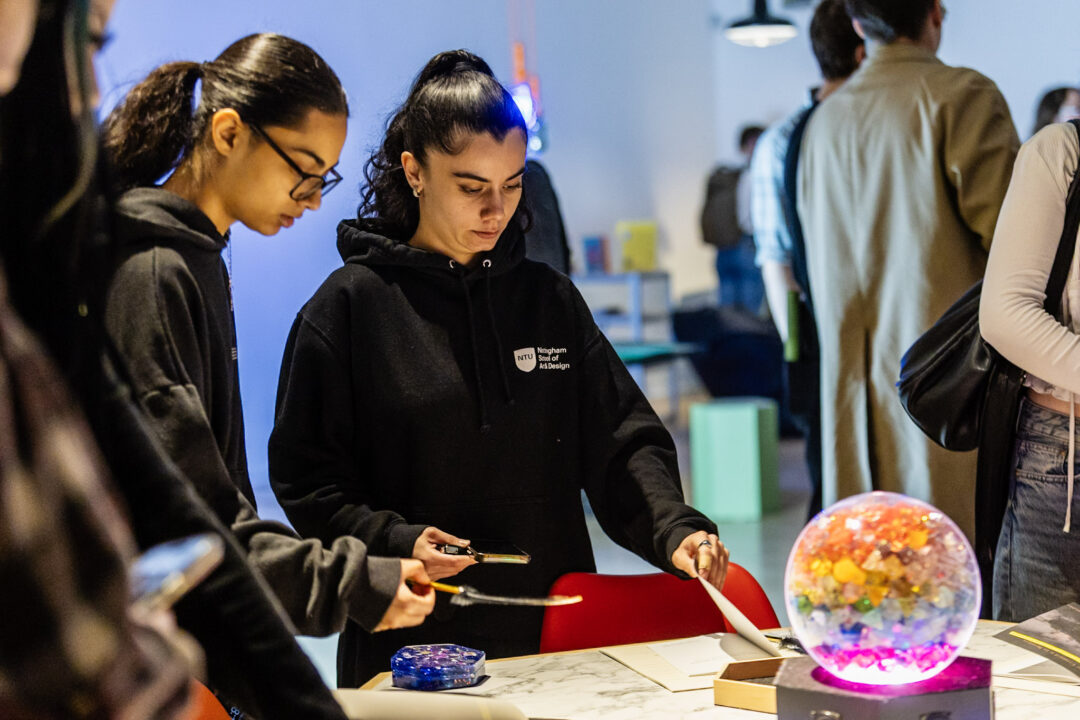
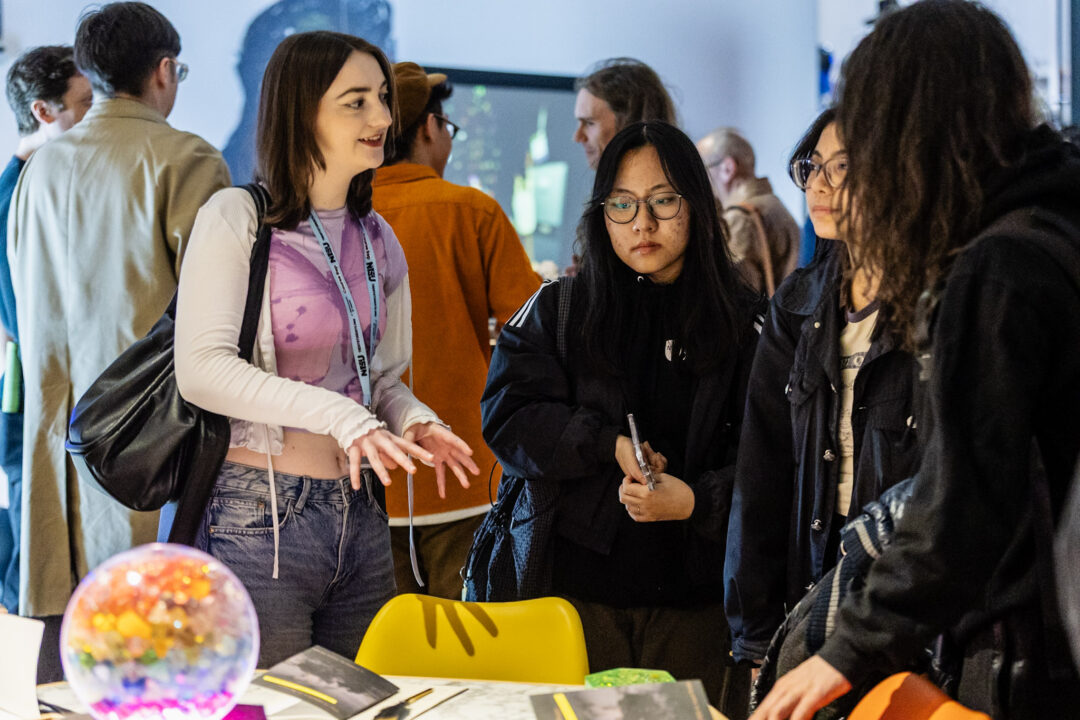
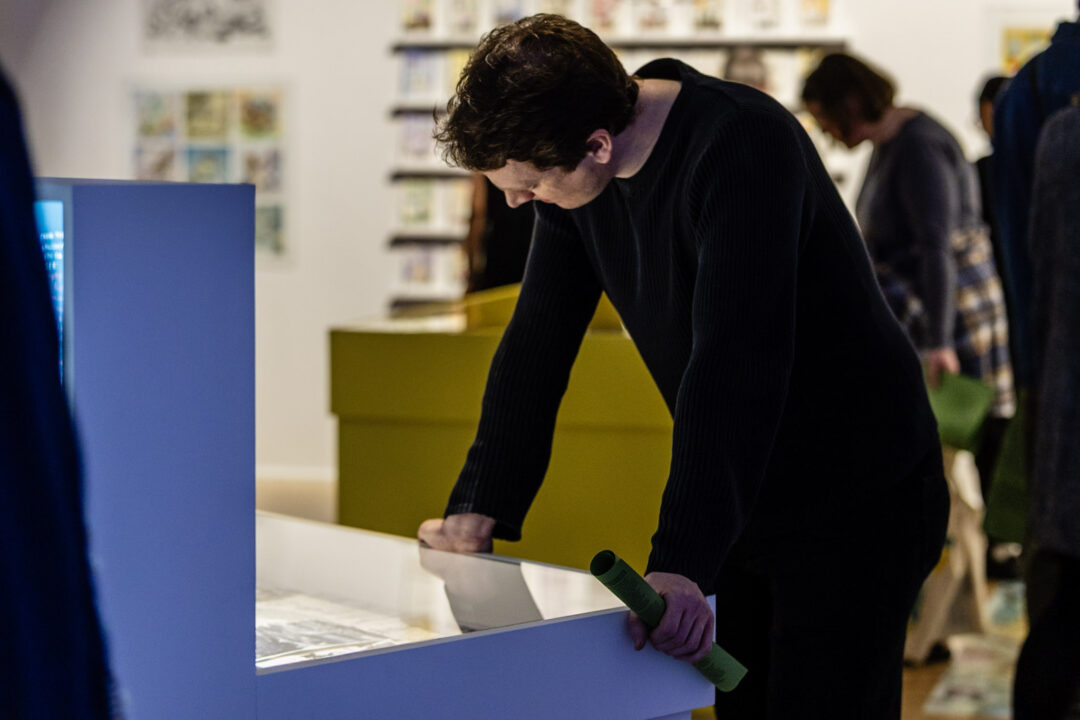
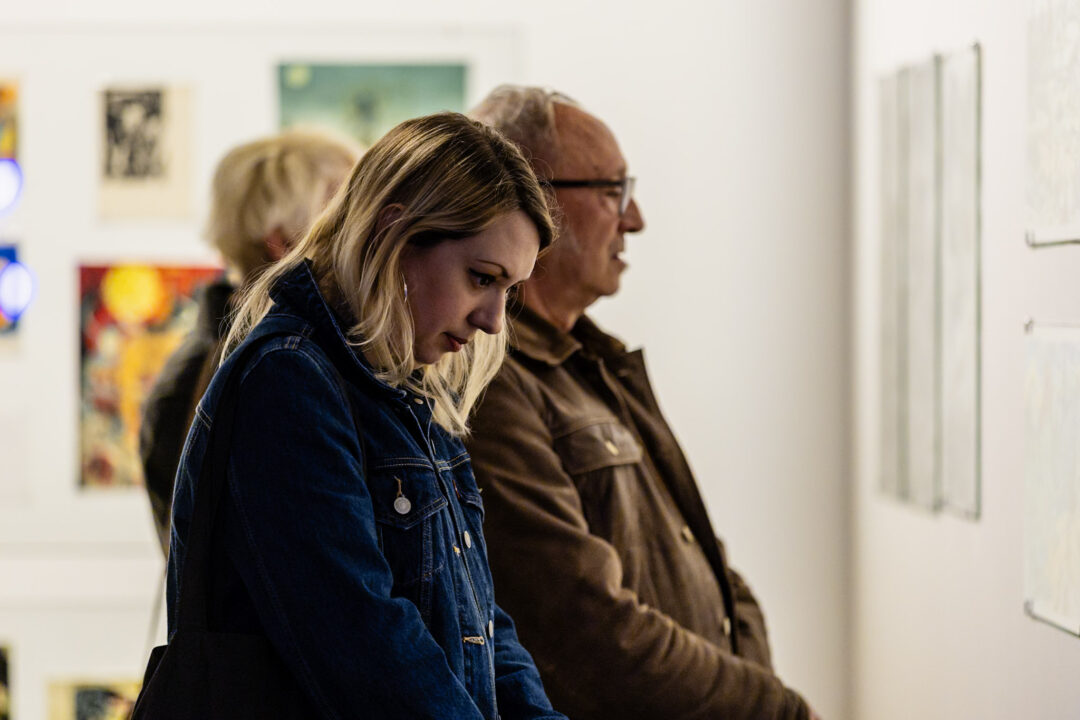
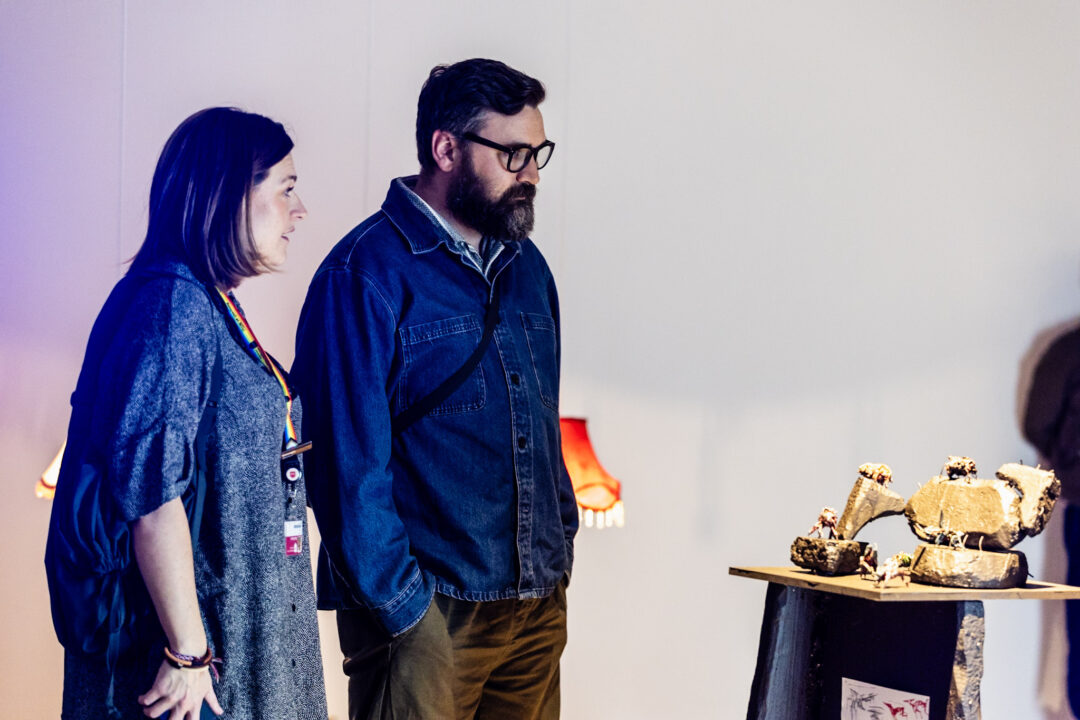
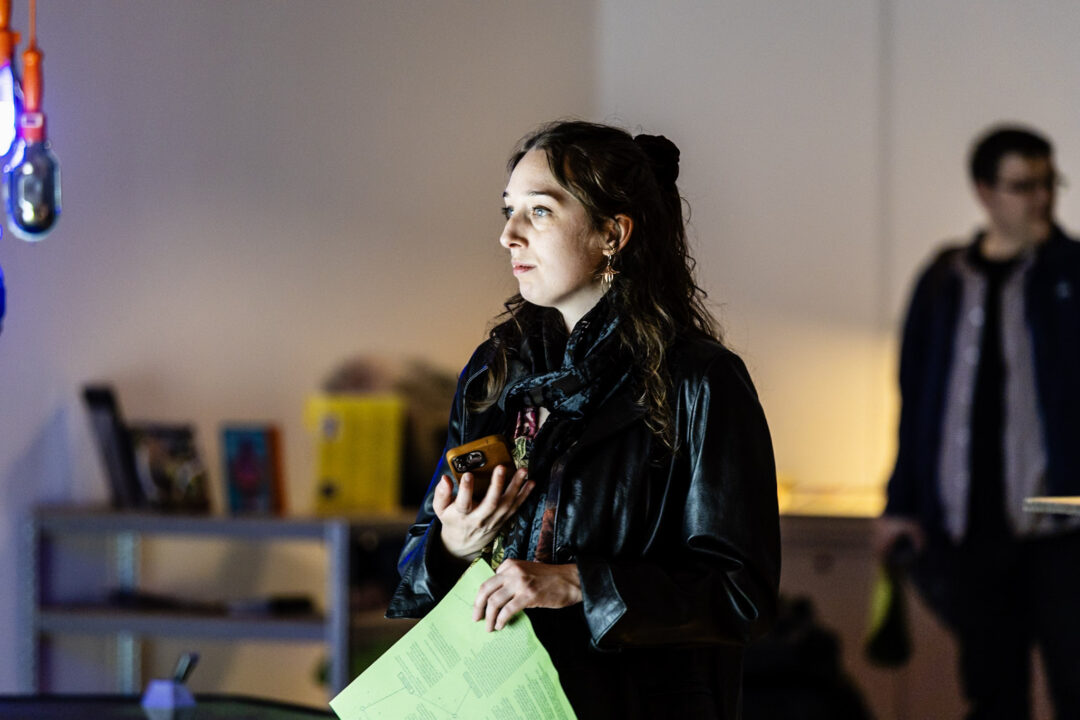
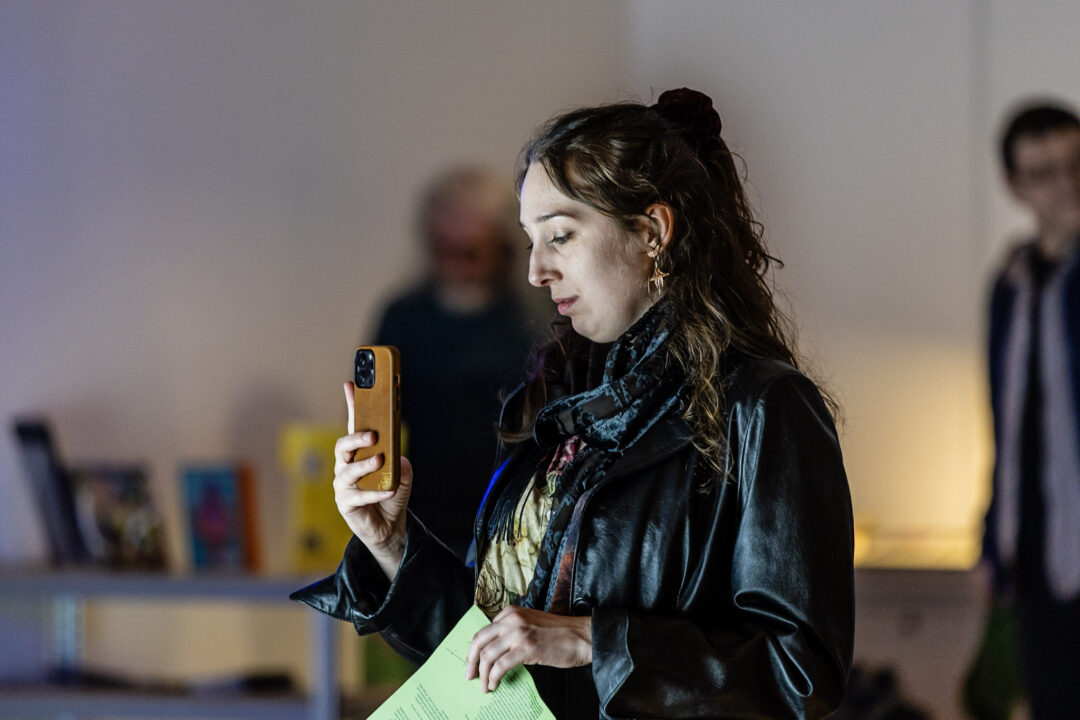
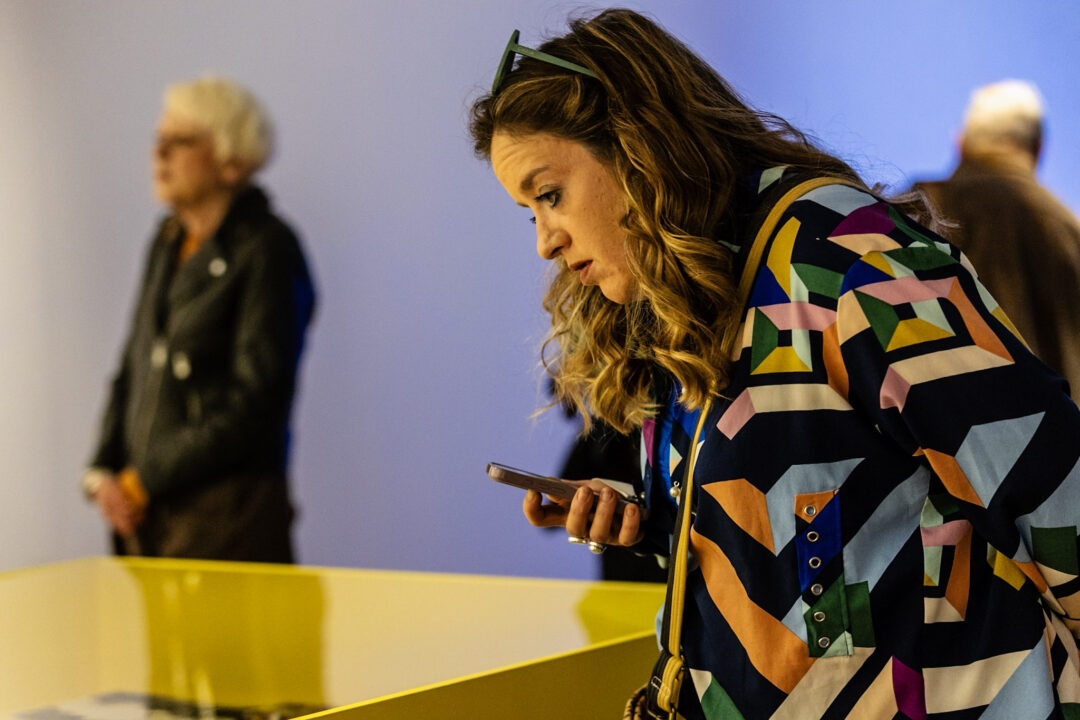
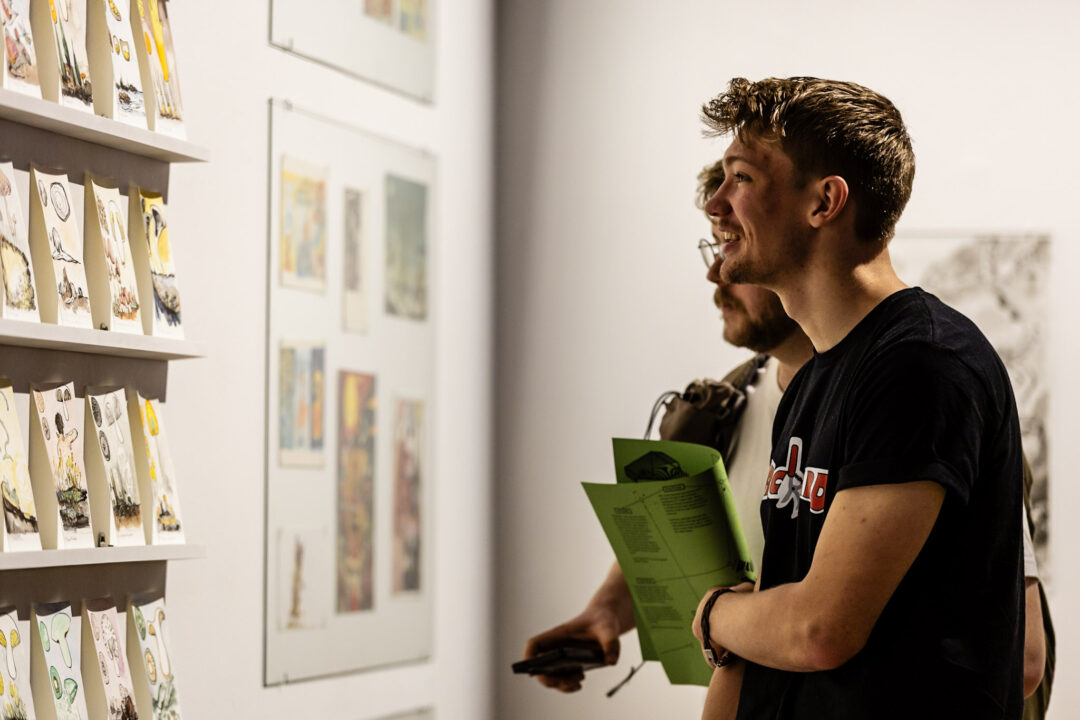
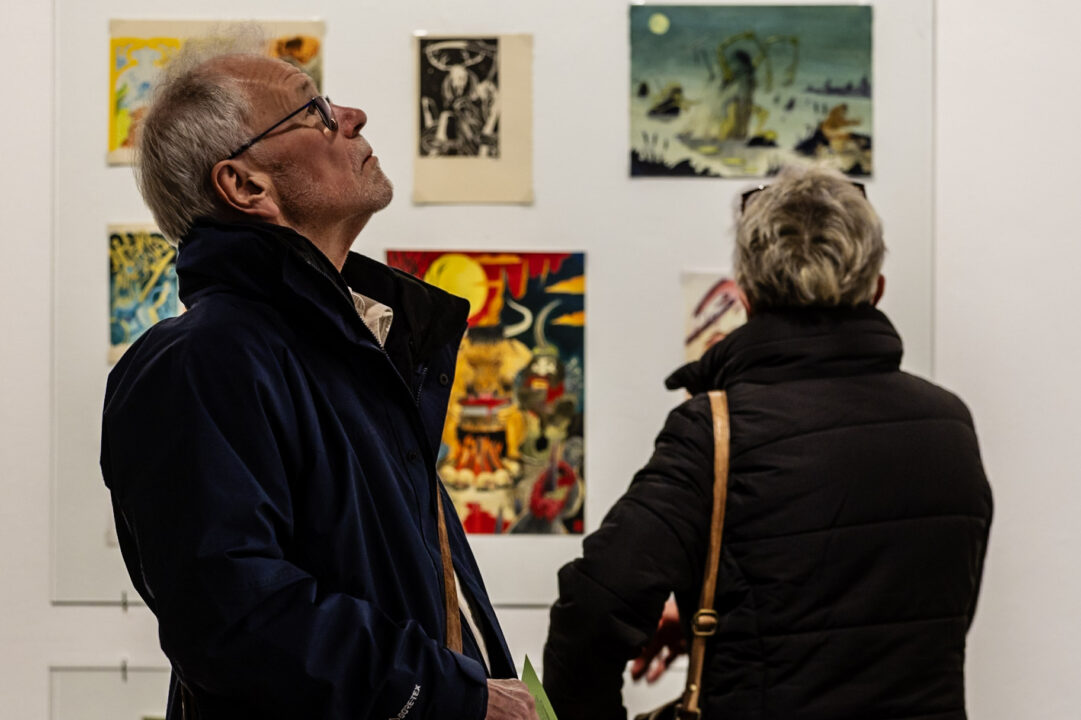
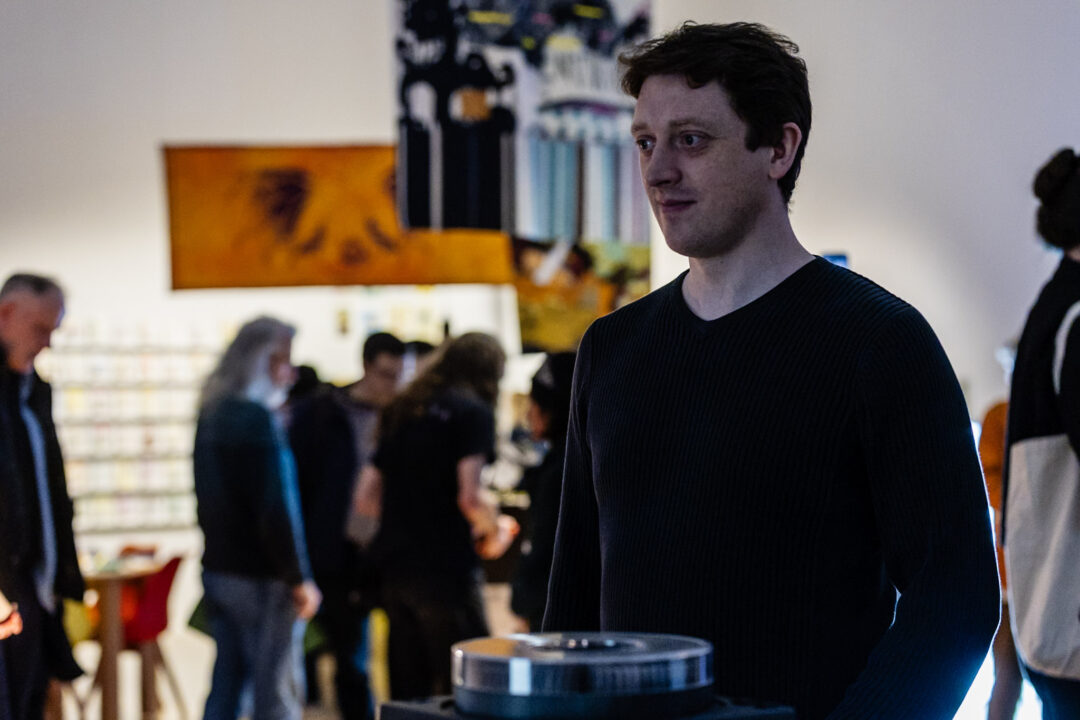
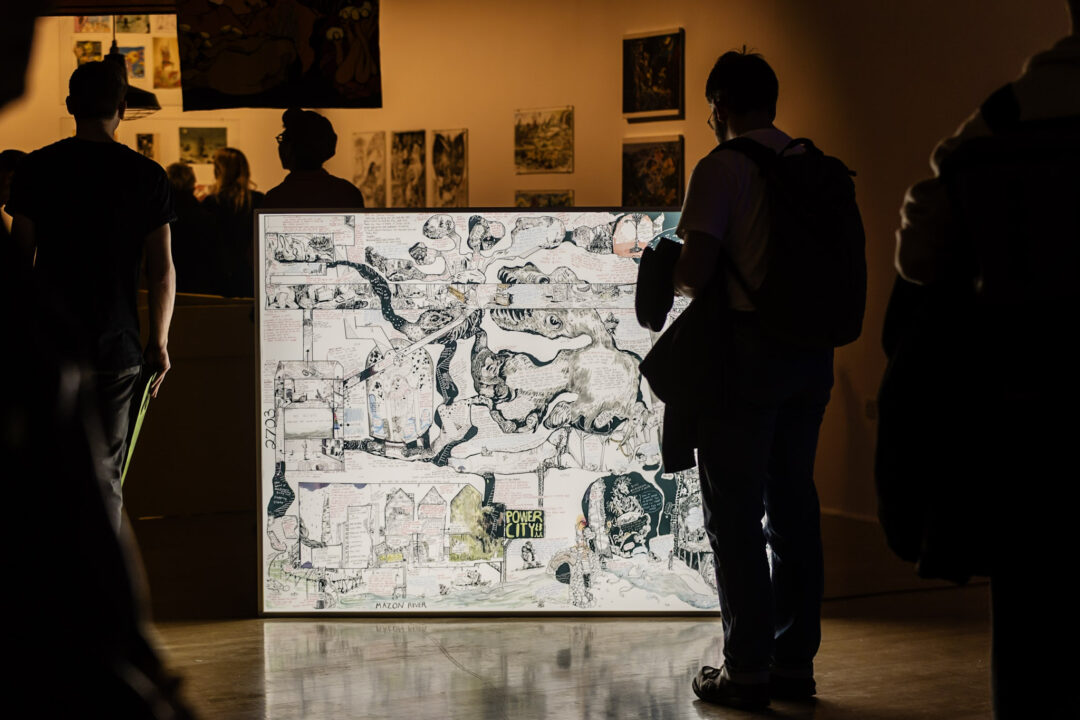
Join us for the launch of a new solo exhibition by Motunrayo Akinola and our Vitrines collaboration with The Aimless Archive.
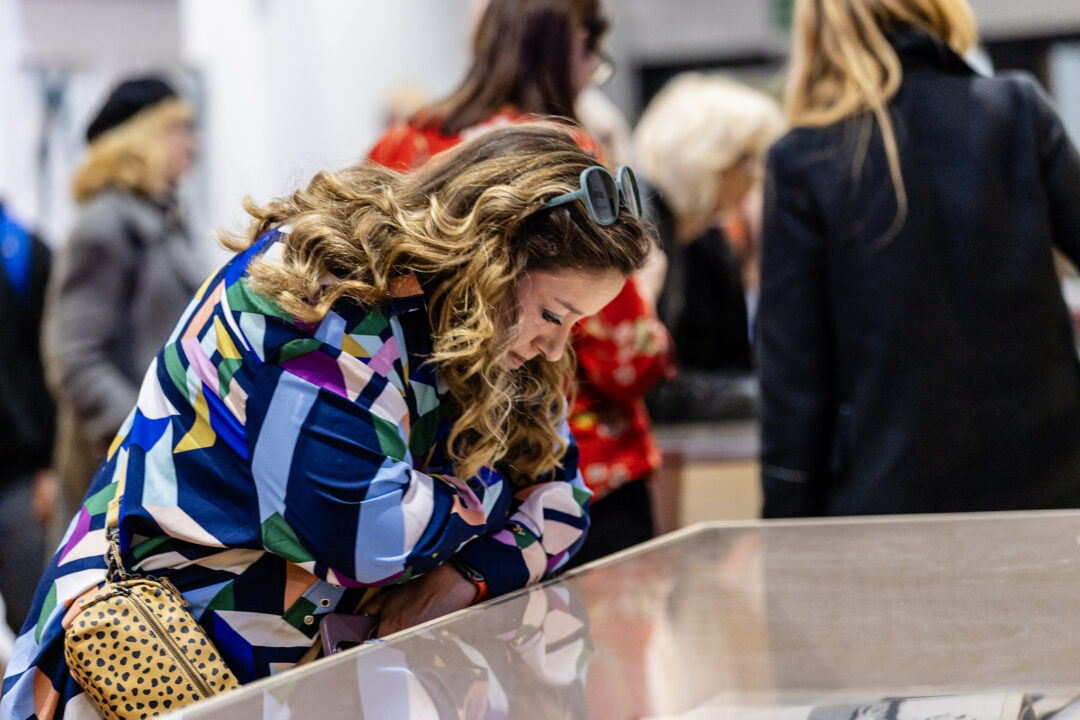
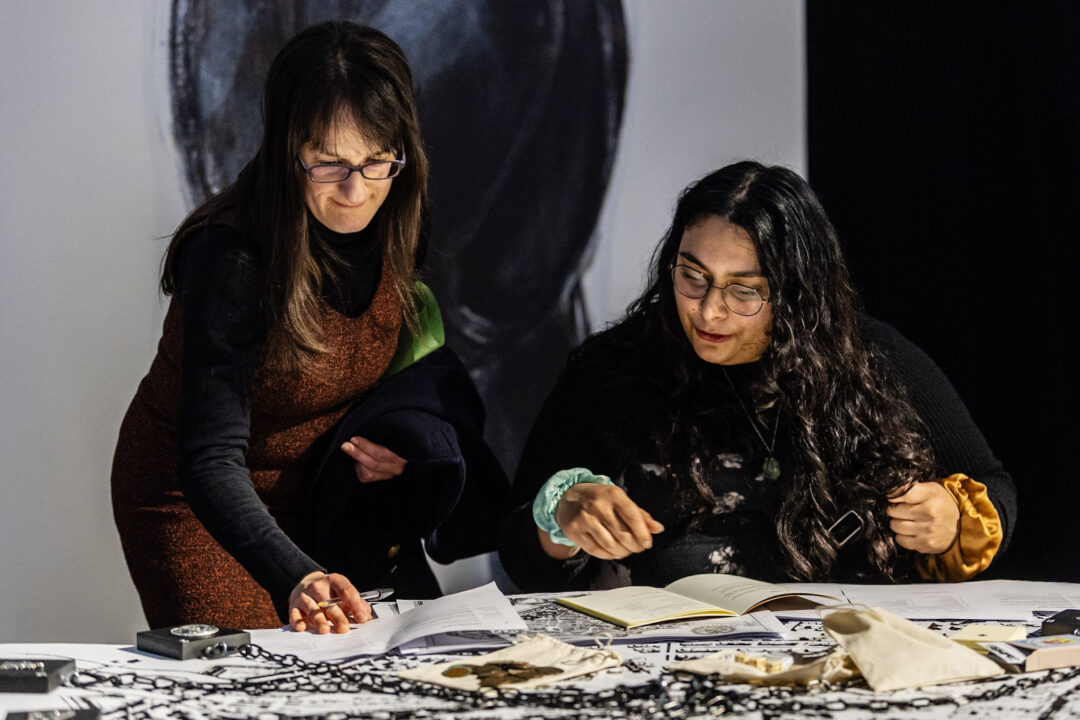
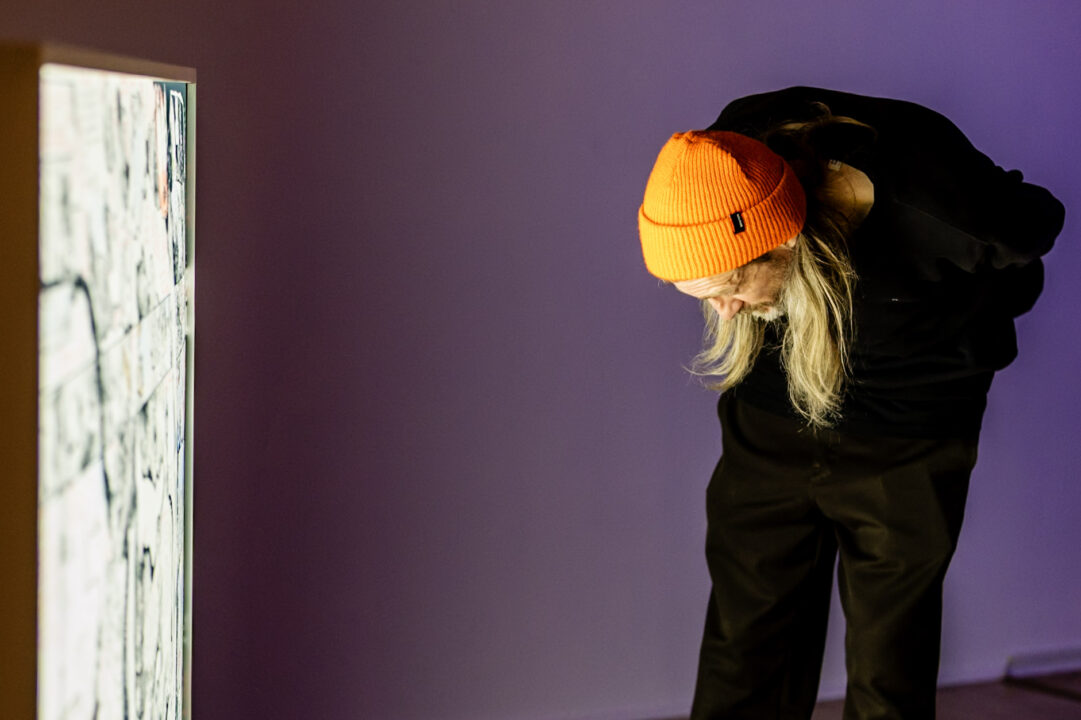
We’re delighted to be launching two exhibitions in January, and this is your opportunity to come along for a first look around. Enjoy a free welcome drink, delicious food (first come, first served!) and music.
All welcome but reserve your free ticket to avoid disappointment.
Motunrayo Akinola: Knees Kiss Ground
We’re delighted to present Knees Kiss Ground, a solo exhibition by artist Motunrayo Akinola, which explores faith and belonging through everyday objects.
The exhibition was produced during a six-month residency Motunrayo secured at South London Gallery (SLG) as part of their Postgraduate Residency scheme. The scheme provides early-career artists with the rare opportunity to produce a new body of work. Knees Kiss Ground was first exhibited at SLG in 2024 and tours to Bonington Gallery in 2025.
Vitrines #26: The Aimless Archive
Hull based The Aimless Archive delivers the 26th instalment of our Vitrines programme.
The Aimless Archive works across text – conversation – performance – collecting. It questions what we keep and what we get rid of by investigating the processes used to build archives. This approach attempts to be as open and collaborative as it can be. Work often takes the form of a book – a box – a by-product.


For an exhibition in March 2025, we are running an open call for materials that relate to Nottingham’s independent fashion scene in the 1980’s.
This period was an exciting time for homegrown fashion and style culture. Brands such as G Force, Olto, Cocky’s Shed plus others combined local talent & style discernment, with entrepreneurism & DIY attitudes to start labels, open shops and form connections and influence on a global level.

Do you have any Nottingham labels in your wardrobe? Did you start/run/work for a local label? Did you shop at G Force? Do you have photos of you and your friends wearing garb to The Garage? Did you pick up copies of Nottingham’s style pages Débris or Despatch? etc etc! If so, we’d love to hear your anecdotes, see your photos and materials (Eg. photos of night out, flyers, receipts, magazines, brochures) that relate to the scene and time.

The intention is to build a collection of material that will become part of the exhibition, and if contributors are happy, have this preserved within a growing archive of material going forwards.
In the first instance please email boningtongallery@ntu.ac.uk with any information and digital copies of materials (just snaps on your phone is fine) and we can take the conversation from there.
Donald Rodney (b.1961, d.1998) studied at Nottingham Trent Polytechnic, now Nottingham Trent University, between 1981 and 1985. Here, Rodney’s practice moved from painting to an experimental multimedia approach, through which he established an artistic language addressing subjects including racial identity, Black masculinity, chronic illness, and Britain’s colonial past.
Sketchbooks were an integral part of Donald Rodney’s practice from 1982 onwards. His sketchbooks contain: preliminary studies for artworks, records of past exhibitions and various writings; glimpses of Rodney’s diverse personal, cultural, social, and political influences. This vitrine exhibition collates archival material to present a snapshot of Rodney’s time as a student in Nottingham, amid his involvement with local, national, and global socio-political discourses. Rodney began using sketchbooks at the age of twenty-two as a student, and he filled forty-eight sketchbooks by the time of his death in 1998 from complications related to sickle cell disease.
Rodney met fellow artist Keith Piper at Nottingham Trent Polytechnic, and together they moved in with electronics student Gary Stewart. At their address — 3 Lindsey Walk, Hyson Green Flats — Rodney, Piper, and Stewart provided a meeting place for artists, writers, makers, and thinkers: fellow students, local community members, and persons from their national networks. The BLK Art Group was also formed by Rodney and fellow students in 1983, using 3 Lindsey Walk as its address. The BLK Art Group was a collective of young Black artists and curators who exhibited primarily in Birmingham and London. This was an important and necessary group, but BLK Art Group has also been retrospectively attached to activities by British artists in the 1980s who were not affiliated with the collective. This attachment has been critiqued as a reduction and conflation of an important reality: that there were many unique, different, and individual Black British artists working across the UK long before The BLK Art Group, throughout the 1980s, and, of course, far beyond and into the present day.
Rodney, and fellow students, also engaged in artistic activity outside of Nottingham Trent Polytechnic, by organising exhibitions, conferences, talks, and events across the midlands and nationally. These included The First National Black Art Convention of 1982, at Wolverhampton Polytechnic, and Pan-Afrikan Connection, which involved a series of exhibitions in Bristol, Nottingham, Coventry, and London between 1982-1983.
For further insight into Donald Rodney’s life and art, please visit Donald Rodney: Visceral Canker at Nottingham Contemporary until 5 January 2025. This exhibition includes all of Donald Rodney’s surviving artworks including painting, drawing, and installation, as well as sculpture and digital media.
This exhibition has been curated by Joshua Lockwood-Moran with the exhibitions team at Nottingham Contemporary.


Launch event
Join us for the launch of this exhibition and After the End of History: British Working Class Photography 1989 – 2024 on Thursday 26 September 2024, 6 – 8 pm. Book your free ticket now.
Bonington Gallery is pleased to present Knees Kiss Ground by London based artist Motunrayo Akinola (b.1992).
Motunrayo explores themes related to faith, migration, belonging, colonialism and postcolonialism using everyday materials, domestic imagery, historical imagery and text. His work manifests predominantly through sculpture, installation, performance, sound and drawing.
As a British-born Nigerian who is comfortable in both spaces, Akinola’s work investigates systems and subtle cultural codings that maintain a sense of othering. He creates environments that question societal positions on contemporary issues by re-contextualising familiar objects and materials – interrupting quick associations and creating points of access into othered perspectives.
Motunrayo’s interest in attitudes towards migration stems from his dual upbringing in London and Lagos, Nigeria. Work created during recent years explores postcolonial power dynamics and the psychology of ownership. By noting subtle gaps in cultural knowledge, his work encourages a new understanding about the possession of space.
Having studied both architecture and art, Motunrayo is interested in the impacts the built environment has on human experience. For this exhibition, Motunrayo will present works including a full-scale replica of a shipping container made from cardboard, a site-specific drawing that documents a private performance in Bonington Gallery, and several works that use light to explore the relationship between light and religious or spiritual rituals, such as the Biblical association of light as a revelatory presence.
This exhibition has been produced in partnership with South London Gallery where Motunrayo spent six months on the Postgraduate Residency programme in 2023/24, culminating in the solo exhibition Knees Kiss Ground. This iteration of the exhibition is an expansion on the works created during that period.


Motunrayo Akinola is a London-based artist who uses images of the home and everyday materials to explore comfort and belonging. He creates sculptures, installations, sound and drawings. He studied at RA Schools, graduating in 2023. As a British-born Nigerian who has spent time in and now feels comfortable in both countries, Akinola’s work exposes the nuanced differences between the two places.
Bonington Gallery have partnered with South London Gallery to deliver their 13th Postgraduate Residency, an open submission six-month residency that provides an early-career artist with a rare opportunity to produce a new body of work, which is then exhibited at the SLG and in this instance at Bonington Gallery. The residency is open to artists who have completed a BA, and have undertaken a period of self-directed, peer-led or postgraduate study in the year prior to the residency. This can include alternative, peer organised and non-accredited programmes from an institution, collective or art school in the UK as well as an MA, MFA, PGDip, MRes.
The SLG has an international reputation for its contemporary art exhibitions by established, mid-career and younger artists and programme of film and performance events. Its highly regarded, free education programme includes a peer-led young people’s forum; family workshops; artist-led projects and commissions on local housing estates; and a programme for looked after children.
The Postgraduate Residency is supported by The Paul and Louise Cooke Endowment.
Press
Floorr Magazine
Corridor8 review by Jade Foster

This event is now fully booked. Those without a ticket may not be admitted.
Join us for the launch of a new exhibition featuring over 120 works by contemporary working-class artists and photographers.
Curated by photographer, writer and broadcaster Johny Pitts, After the End of History emphasises the perspectives of practitioners who turn their gaze towards both their communities and outwards to the wider world. Find out more.
‘After the End of History: British Working Class Photography 1989 – 2024’ is a Hayward Gallery Touring exhibition curated by Johny Pitts with Hayward Gallery Touring.


Dr Paul Adey is a HE lecturer of Music Performance and Music Business at Confetti Institute of Technologies.
Performing under the artist name of Cappo, he has practiced hip hop lyricism for over two decades. During this time, he has had the privilege of appearing at many of Europe’s premier live music venues, performing alongside artists such as Public Enemy, Skepta, and The Sleaford Mods.
Throughout his career, he has released music on various record labels including Tru-Thoughts and Ninja Tune, and featured live on BBC Radio One (John Peel), BBC Radio 1 Xtra, and BBC Radio 6 numerous times.
Paul’s interdisciplinary research focuses on popular culture, literary devices and musical concepts such as intertextuality and allusion, and the semianalysis of song lyrics. The interdisciplinary nature of Paul’s research links his work to Music, English, Creative Writing, and media studies.
Instagram: @kafka_poe_murakami
X: @CAPPO_GENGHIS
Linktr.ee: @_Cappo_
Claude Money is a record producer and PhD researcher from Nottingham via Singapore and Spain.
Based at Sirkus Studios, he’s been known to work on projects of all genres, but is consistently influenced by the stylings and history of Library Music, Soul, Jazz and Hip-Hop, as well as the traditional folk music of his broad and eclectic cultural background.
Outside of the record industry, he produces music for the screen. He has created bespoke pieces for the BFI and Netflix as well as BBC’s Inside Out, London Fashion Week and the Sailing Grand Prix.
Since 2016, He’s produced a wide variety of tracks for artists including Pete Beardsworth, Emily Makis, Wariko, President T, Window Kid and Snowy. His breakout single was his remix of Misti Blu Two by Amillionsons featuring siblings Taka Boom, Chaka Khan and Mark Stevens, available now on vinyl via Amillionrecords.
Claude’s previous career as a journalist eventually led him to the world of live music. As a promoter he’s worked with headliners such as Hypnotic Brass Ensemble, Talib Kweli, Pharoahe Monch, Saul Williams, KRS One, Children of Zeus, The Pharcyde and Ghostface Killah.
His passion for the culture has now led him full circle. In October of 2024 Claude will begin a new role at the Nottingham Trent University Doctoral School as a researcher where he will be recording and transcribing the oral histories of Nottingham’s hidden Hip-Hop history, a previously unexplored and under-researched area of UK cultural history.
www.sirkus.co.uk
www.instagram.com/claudemoneyofficial
www.soundcloud.com/claudemoneyofficial
The Blue Description Project (2023) is a new experimental version of Derek Jarman’s seminal film, Blue (1993). It features expanded accessibility measures including audio description, creative captions and in-person British Sign Language interpretation.
“Moving beyond words.” – Time Out “Extraordinary“ ★★★★★ – The Times
In 1993, Derek Jarman released Blue, an epoch-defining account of AIDS, illness, and the experience of disability in a culture of repressive heteronormativity and compulsory able-bodiedness. Though often referred to as a feature film, Blue never existed exclusively in one medium. It was screened in theatres, simulcast on television and radio, released as a CD, and published as a book, creating opportunities for many different kinds of sensory abilities—visual, aural, and textual—to experience the work.
Conceived by artists and writers Christopher Robert Jones, Liza Sylvestre, and Sarah Hayden, The Blue Description Project creates a new, experimental iteration of Blue on the 30th anniversary of its release and Jarman’s death. Reflecting Blue’s standing as a foundational work of Crip* art, the project challenges ableist hierarchies in art while focusing on the generative possibilities of difference and interdependence.
In 1994, Jarman wrote in Chroma: “If I have overlooked something you hold precious — write it in the margin.” Taking up this invitation to write in the margin, The Blue Description Project builds on the multifaceted nature of Jarman’s work through newly commissioned and expansive accessibility.
*Crip—Cripistemology and the Arts.


The event is open to everyone and is intended as an immersive and collective experience for those who may benefit from accessibility provision or not.
The film screening will have creative captions and audio description that is edited into the main soundtrack of the film. It will also be British Sign Language (BSL) interpreted. The discussion afterwards will be live-captioned and BSL-interpreted.
During the screening, the space will be dim, with only the BSL interpreters illuminated via spotlights. The film soundtrack will play into the space at ‘cinema level’ volume.
The gallery is wheelchair accessible via a lift. Visit our website for general access information for our building.
Visit our YouTube channel to watch a video tour of the journey into our gallery from the street.
Invigilators and staff will be on hand throughout the evening to offer any assistance needed.
Accessible toilets are very close by to the gallery.
If you would like to discuss any further access requirements, or identify a way that we can make your attendance easier then please email us.
The Blue Description Project (BDP) is produced by Liza Sylvestre and Christopher Robert Jones (Crip*—Cripistemology and the Arts) in partnership with Sarah Hayden (Voices in the Gallery). BDP is made possible by a grant from the Andrew W. Mellon Foundation, with support from the College of Fine and Applied Arts at the University of Illinois Urbana-Champaign and additional support from the Southampton Institute for Arts and Humanities HEIF Research Stimulus Fund.
Liza Sylvestre is a transdisciplinary artist and research assistant professor within the College of Fine and Applied Arts at the University of Illinois Urbana-Champaign where she has co-founded the initiative Crip*—Cripistemology and the Arts. Her work has been shown internationally at venues such as the Weisman Art Museum (Minneapolis), John Hansard Gallery (Southampton), ARGOS (Brussels), and Museum für Moderne Kunst (Frankfurt). Sylvestre has been the recipient of numerous grants and fellowships, most recently a Joan Mitchell Foundation Fellowship and a Louis Comfort Tiffany Foundation Fellowship. She has been artist-in-residence at the Weisman Art Museum and the Center for Applied and Translational Sensory Science and in 2019, she received a Citizens Advocate Award from the Minnesota Commission of the Deaf, DeafBlind, and Hard of Hearing. Sylvestre’s work has been written about in numerous publications and books including Art in America, Mousse Magazine, Ocula Magazine, Art Monthly, and SciArt Magazine.
Christopher Robert Jones is an artist and writer based in Illinois. Their research revolves around the “failure” or “malfunctioning” of the body and how those experiences are situated at points of intersection between Queer and Crip discourses. They are a regular contributor to Art Papers magazine and their work has recently been exhibited at the Krannert Art Museum, Gallery 400, and the Weisman Art Museum. Jones is the co-founder of Crip*—Cripistemology and the Arts, a transdisciplinary initiative that is housed within the College of Fine and Applied Arts at the University of Illinois Urbana-Champaign, where they are also a research assistant professor.
Sarah Hayden is a writer and Associate Professor in Literature and Visual Culture at the University of Southampton. From 2019–2023, she led “Voices in the Gallery,” a research, writing and curatorial project on intersections of voice, text and access in contemporary art, funded by the AHRC. In 2022, she developed slow emergency siren, ongoing: Accessing Handsworth Songs in partnership with LUX. Recent writings include as if […] wearing anklesocks (for Sarah Browne’s Buttercup) and essays on Charlie Prodger for Secession Vienna and captioning as “unvoiceover” for Angelaki.
Elaine Lillian Joseph is an audio describer based in London and Birmingham. She has a BA in Modern Languages (German) and English Literature and trained as a describer at ITV under Jonathan Penny. She is a founding member of SoundScribe, a global majority collective of audio describers and consultants and a member of Collective Text, an organisation supporting accessibility in art and film through creative captioning, audio description and interpretation. The question that galvanises her practice is how can we honour the labour of access work and create a service that powerfully resonates with users? Collaboration and anti-discrimination activism is key to her work.
A selection of recently completed projects include Eve Stainton’s Impact Driver at the Institute for Contemporary Arts in London, an online screening of Hofesh Shechter’s Political Mother and a newly commissioned audio described track for Black Audio Film Collective’s Handsworth Songs.
The producers of the project wish to thanks everyone who so generously contributed their descriptions to the Blue Description Project. Warm thanks to Elaine Lillian Joseph and Corvyn Dostie. Special thanks to James MacKay, Basilisk Communications, and Zeitgeist Films.
Image credit: Christopher Robert Jones, Liza Sylvestre, Sarah Hayden, Blue Description Project, film still, 2024. Digital movie, captions. 1:20:55. Courtesy of the artists.