


Alan Lodge: Common Grounds – Counterculture & Confrontation since 1976
Bonington Gallery is delighted to present Common Grounds: Counterculture & Confrontation since 1976, the first major survey exhibition of photographer Alan Lodge (b.1953), one of the most significant chroniclers of British counterculture, protest movements, and grassroots activism over the past 50 years.
Common Grounds brings together a wealth of material documenting travelling communities, free festivals, free party and rave culture, environmental campaigns, and anti-war protest since 1976. As a former member of a travelling community, Lodge offers a perspective on people, places, and subcultures that is raw, uncompromising, yet intimate. The strength of Lodge’s work lies not only in its photographic and documentary quality, but also in its evidential power, having on numerous occasions been used to protect and advocate for the very communities it represents.
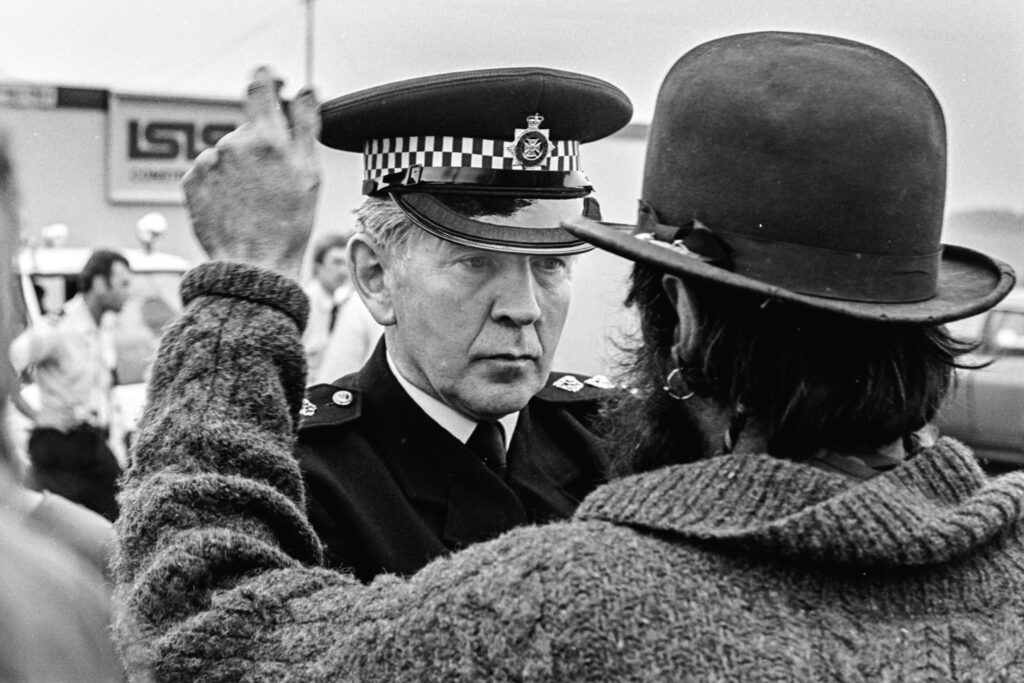
Featuring over 100 photographs alongside 35mm slide projections, moving image, personal archives, and previously unseen material, Common Grounds will be a spatially ambitious exhibition that provides an expansive overview of Lodge’s practice and a life dedicated to activism. It also includes legal correspondence and documentation from Lodge’s own encounters with police and authorities, foregrounding themes concerning the shifting relationships between collective identity, civil liberty, dissent, environmental responsibility, public space, and state authority.
Lodge’s work has appeared in publications and journals worldwide. His photographs have also been featured in documentaries and films, including Operation Solstice for Channel 4, Jeremy Deller’s BBC documentary Everybody in the Place: an Incomplete History of Britain 1984-1992 (2018) and most recently Aaron Trinder’s documentary Free Party: A Folk History (2023). He was interviewed for Daniel Ward’s film, Lonesome Ghosts (2025), shown at Peer, London and spoke to Stewart Lee about the Battle of the Beanfield in the R4 podcast ‘What happened to Counter-Culture?’
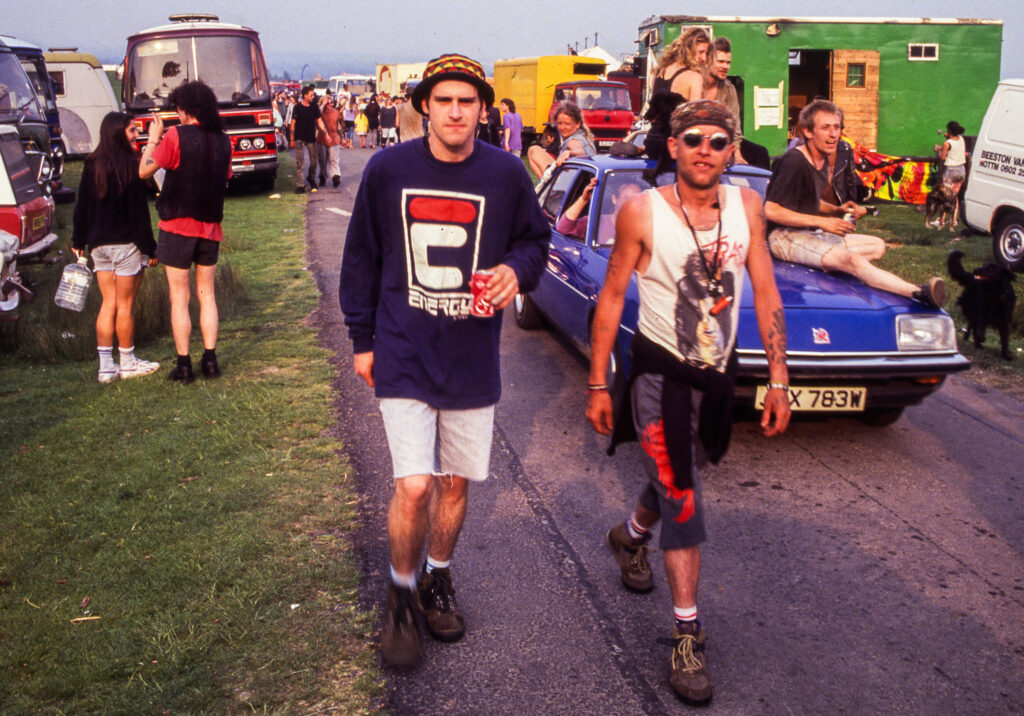
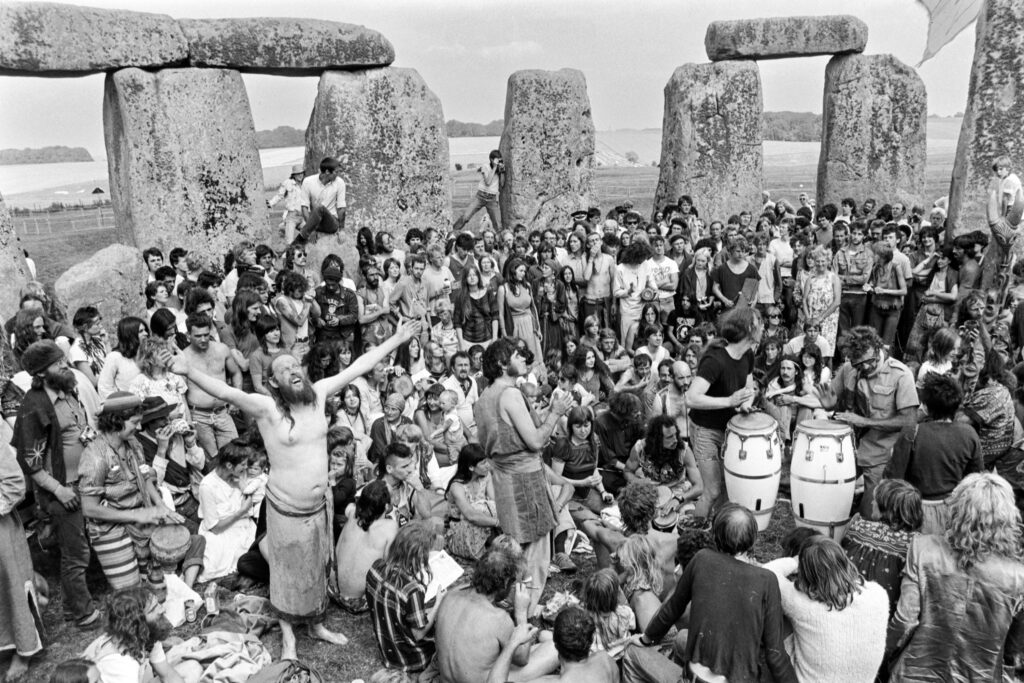
Alan Lodge’s work has been shown in exhibitions across the UK including Radical Landscapes (2022) at Tate Liverpool. International exhibitions include Black & White Surveillance (2020) with TG at the Salon de Normandy, Paris. His work has also appeared in publications & journals including The Guardian, Independent, i-D, Select, Café Royal Books, Sounds, Purple, Huck Magazine, Flash Art, DJ, Radio Times, New Statesmen & Society and Squall. His publications include Stonehenge: Solstice Ritual, a photographic account of the rituals taking place at Stonehenge.
Alan received a BA(hons) (1993) and MA (2013) in Photography from Nottingham Trent University.
A publication featuring an interview between Alan Lodge and Jeremy Deller will be available during the exhibition.
More information about Alan Lodge
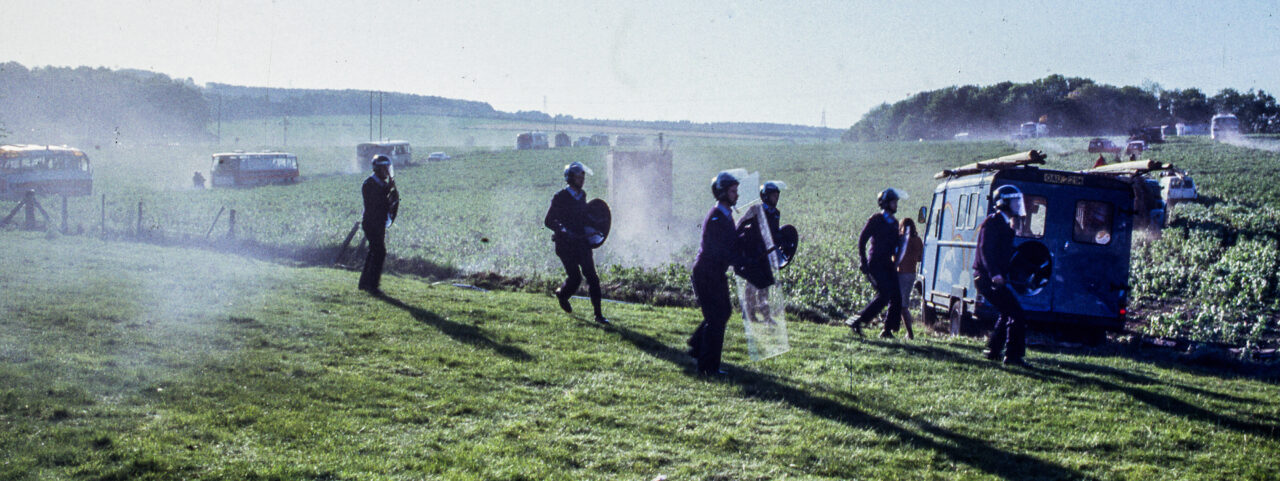
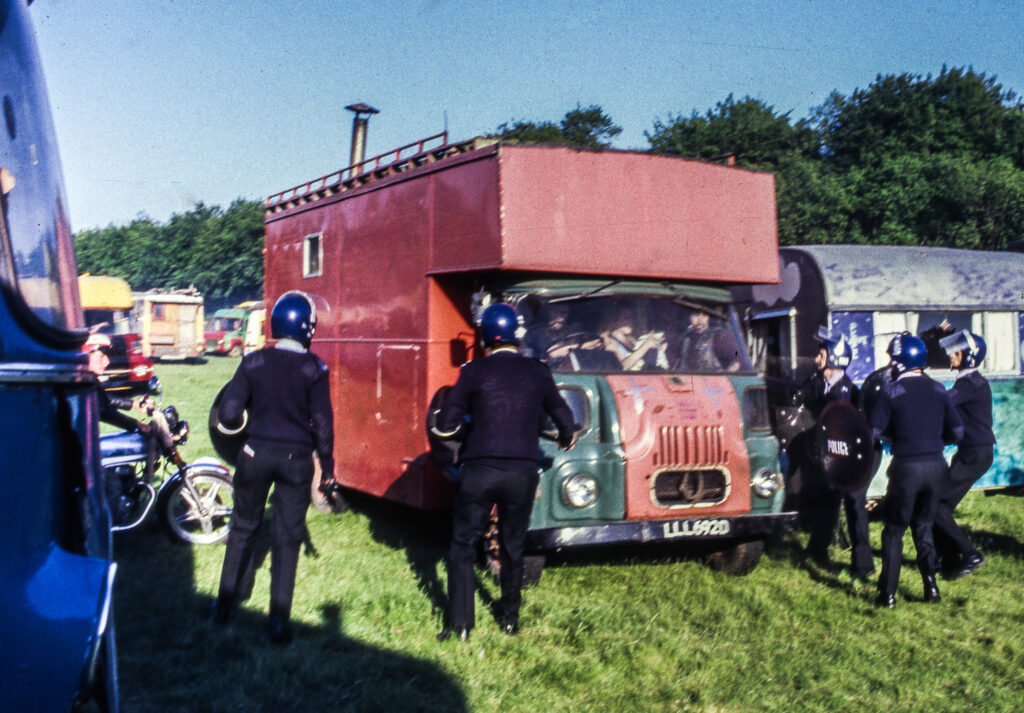
After a brief career as an emergency paramedic in the London Ambulance Service, Alan “Tash” Lodge took up photography and documented the emerging free festival movement in the late 1970s. In 1985, Lodge and his family joined the Peace Convoy on its annual journey to Stonehenge, where he was involved with, and photographed, the clashes between the police and travelers in what became known as the Battle of the Beanfield, resulting in one of the most violent mass arrests in British history.
In 1990, Lodge moved to Nottingham to study photography at Trent Polytechnic (now Nottingham Trent University), where he became involved with the city’s influential music collective DiY Sound System, which held free parties across the UK. Among his most celebrated images are those capturing partygoers at Castlemorton Common in Wiltshire, widely regarded as the largest illegal rave in British history, which led to the introduction of the Criminal Justice Act in 1994.
In recent years Lodge has continued to extensively document his involvement and attendance of public demonstrations and festivals, and is active in various welfare and advice agencies, including Festival Welfare. Lodge is known for his documentation of police surveillance and was a regular contributor to Indymedia UK. His website offers guidance on the rights of photographers documenting public places and demonstrations.